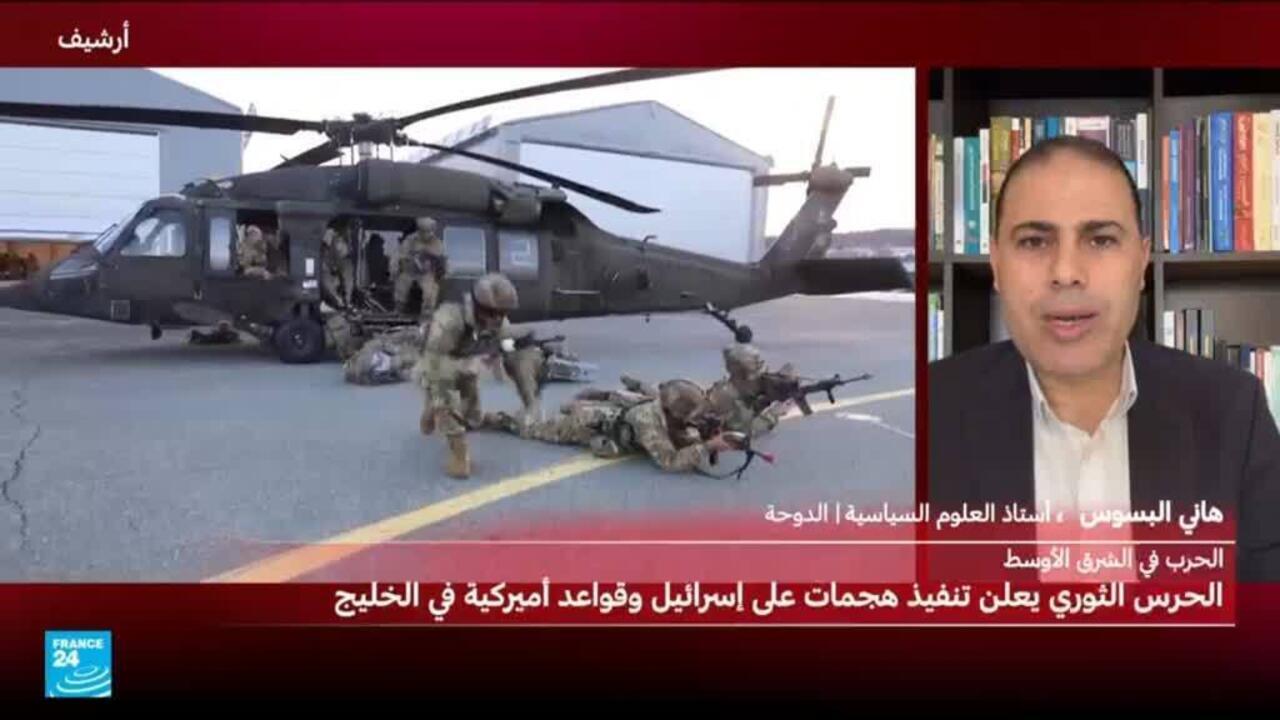
In a new development regarding negotiations between Iran and the United States, a senior Iranian official confirmed on Thursday that Tehran considers the U.S. proposal to end the war as 'one-sided and unfair,' indicating that this proposal only serves the interests of the United States and Israel.
In a related context, U.S. President Donald Trump announced that military operations in Iran have progressed 'significantly' ahead of the scheduled timeline, threatening to continue military attacks if no agreement is reached with Tehran.
Details of the Event
These statements come at a time when the world is witnessing increasing tensions between Iran and the United States, as both countries exchange accusations of failing to adhere to previous agreements. The Iranian official, who was not named, pointed out that the U.S. proposal ignores Tehran's fundamental demands, complicating the negotiations further.
On the other hand, Trump, who is facing both domestic and international pressures, seeks to demonstrate the strength of his administration in confronting Iran, stating that military operations are proceeding faster than expected. This statement reflects Trump's strategy to bolster his position before American voters, especially with the presidential elections approaching.
Background & Context
The roots of the current tensions between Iran and the United States trace back to Washington's withdrawal from the Iranian nuclear agreement in 2018, which aimed to limit Iran's nuclear program in exchange for easing sanctions. Since then, tensions have escalated, with the United States imposing stringent economic sanctions on Tehran, adversely affecting the Iranian economy and exacerbating humanitarian conditions.
The region has also witnessed several events related to the conflict, including attacks on Saudi oil facilities, which Iran has been accused of orchestrating, further heightening military tensions in the area.
Impact & Consequences
The potential repercussions of these statements on both regional and international levels are manifold. On one hand, the conflicting statements may lead to an escalation of tensions, increasing the likelihood of military confrontation between the two parties. On the other hand, these conditions may prompt the international community to reconsider its strategies towards Iran, especially with calls from some European countries to return to the negotiating table.
Furthermore, the continuation of military operations could impact global oil prices, as Iran is a key player in the oil market, and any escalation in the region could lead to a significant increase in prices.
Regional Significance
Neighboring Arab countries, such as Iraq and Saudi Arabia, are among the most affected by the tensions between Washington and Tehran. Any military escalation could destabilize these countries, increasing the suffering of the populations in the region.
Moreover, these events may reopen discussions about the role of regional powers in the conflict, as some Arab countries seek to strengthen their alliances with the United States in the face of Iranian threats.
In conclusion, the situation in the region remains tense, with growing fears of military escalation that could alter the balance of power in the Middle East. The current situation requires wisdom from all parties involved to avoid further escalation.