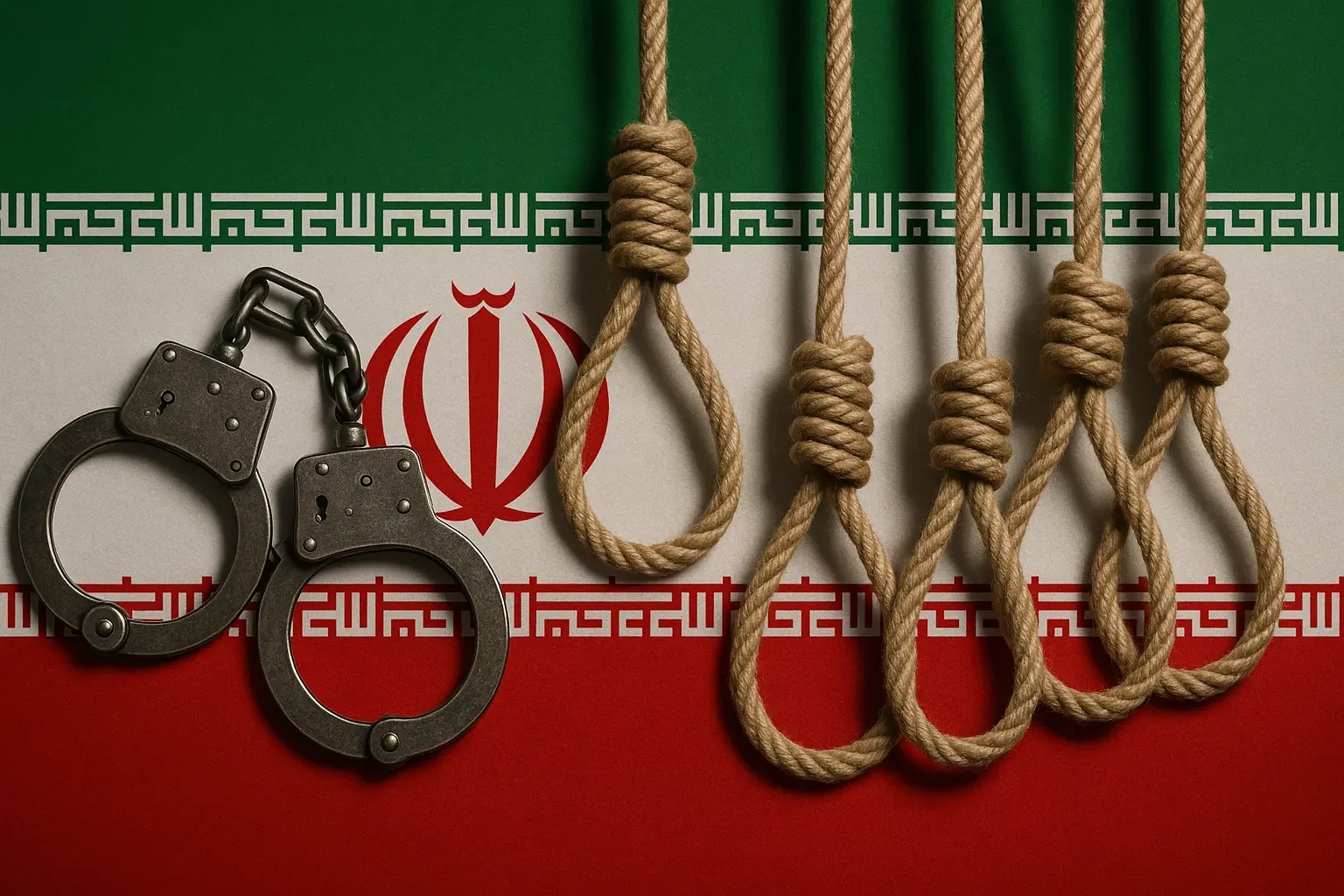
On March 31, 1947, history witnessed the execution of the founder of the Mahabad Republic, an event that left a profound mark on Kurdish history. This execution is considered a turning point in the Kurdish struggle for independence, occurring shortly after the declaration of the republic, which aimed to fulfill the Kurdish dream of establishing their own state.
The Mahabad Republic was established in 1946 and represented the hopes of the Kurds in the Middle East, striving for independence from the countries that divided their lands. However, the republic did not last long, as it faced significant political and military pressures from Iran, leading to its collapse in 1947.
Details of the Event
After the declaration of the republic, its founder, Qazi Muhammad, led substantial efforts to establish a strong government, but the republic soon faced major challenges. In March 1947, following the defeat of Kurdish forces, Qazi Muhammad was arrested and tried on charges related to treason. On March 31 of the same year, the death sentence was carried out against him, which was a significant shock to Kurds throughout the region.
This execution was not just a passing event; it served as a message from the Iranian authorities to the Kurds that any attempt at independence would be met with violence. This led to heightened tensions between the Kurds and the Iranian government, and the Kurdish struggle for their political and cultural rights continued.
Background & Context
The history of the Kurds is filled with challenges and conflicts. Since the 20th century, the Kurds have suffered political and cultural marginalization in the countries where they reside, such as Turkey, Iran, Iraq, and Syria. The Mahabad Republic was established during a period when the region was experiencing radical changes following World War II, as major powers were reshaping their political borders.
The republic was founded with the support of the Soviet Union, which sought to expand its influence in the region. However, this support was not sufficient to protect the republic from internal and external pressures, leading to its rapid demise.
Impact & Consequences
The execution of Qazi Muhammad exacerbated the conflicts between the Kurds and the Iranian state, with tensions continuing for decades. This event contributed to the formation of Kurdish identity and strengthened the sense of unity among Kurds across various countries. It also inspired many Kurdish movements in the region, leading to the emergence of new resistance movements in the following decades.
Over the years, governments continued to ignore the rights of the Kurds, resulting in escalating conflicts. The region has witnessed numerous wars and conflicts in which the Kurds were involved, contributing to raising global awareness of their cause.
Regional Significance
The Kurdish issue is considered one of the complex issues in the Middle East, affecting relations between different countries. In the Arab region, the Kurdish issue plays an important role in shaping the internal and external policies of countries, especially in Iraq and Syria, where a large number of Kurds reside.
Kurdish movements in these countries seek to achieve their cultural and political rights, contributing to raising Arab awareness of their cause. Additionally, Kurdish conflicts impact the stability of the region, as they can lead to heightened tensions between different countries.
In conclusion, the execution of Qazi Muhammad on March 31, 1947, remains a painful event in Kurdish history, reflecting the ongoing challenges faced by the Kurdish people in their quest for independence and recognition of their rights.