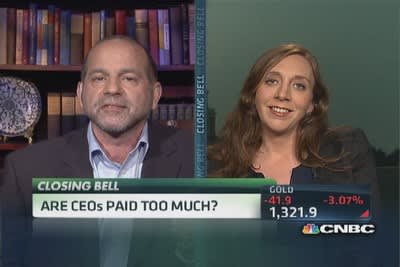
Recent reports have revealed that the salaries of executives at what are known as "low-wage" companies average $18.6 million per year. While many workers at these companies depend on government assistance programs to meet their basic needs, this raises questions about economic fairness.
The list of these companies includes 20 firms, with analysis showing that the gap between executive salaries and those of regular employees is widening. While workers in these companies earn low wages, executives enjoy massive salaries, placing an additional burden on taxpayers who support social welfare programs.
Details of the Situation
Data indicates that many employees at these companies, despite working full-time, are forced to rely on programs such as Medicaid and SNAP to cover their daily expenses. These programs are essential for many families struggling to secure their basic needs, highlighting the significant wage gap.
Criticism of these companies is increasing due to their inability to pay fair wages to their employees, while substantial amounts are spent on executive salaries. This situation raises widespread concern about wealth distribution in American society and makes it imperative to reconsider wage policies.
Background & Context
Historically, the United States has witnessed a significant increase in the gap between high and low wages. In recent decades, executive salaries have risen dramatically, while worker wages have not followed the same trend. This disparity reflects structural changes in the American economy, where wealth is concentrated in the hands of a few individuals.
In recent years, some states have begun taking steps to improve minimum wages, but challenges remain. Many large companies prefer to pay high salaries to their executives rather than improve working conditions for their employees, exacerbating the problem.
Impact & Consequences
This wage gap affects the economy as a whole, with increased reliance on government assistance programs adding financial burdens on the government. This situation could lead to higher taxes on citizens, generating public discontent and impacting trust in the economic system.
Moreover, wage inequality may exacerbate social tensions, as many workers feel undervalued. This sentiment could lead to increased protests and demands for better wages and working conditions.
Regional Significance
Although this situation pertains to the United States, it has potential implications for the Arab region. Many Arab countries face similar challenges regarding wages and working conditions. This issue can serve as a model for discussing economic justice in the Arab world.
The wage gap may also affect social stability in Arab countries, necessitating action to improve working conditions and promote social justice.
The significant gap between executive salaries and worker wages in low-wage companies raises questions about economic fairness and underscores the need for comprehensive reforms in wage policies.