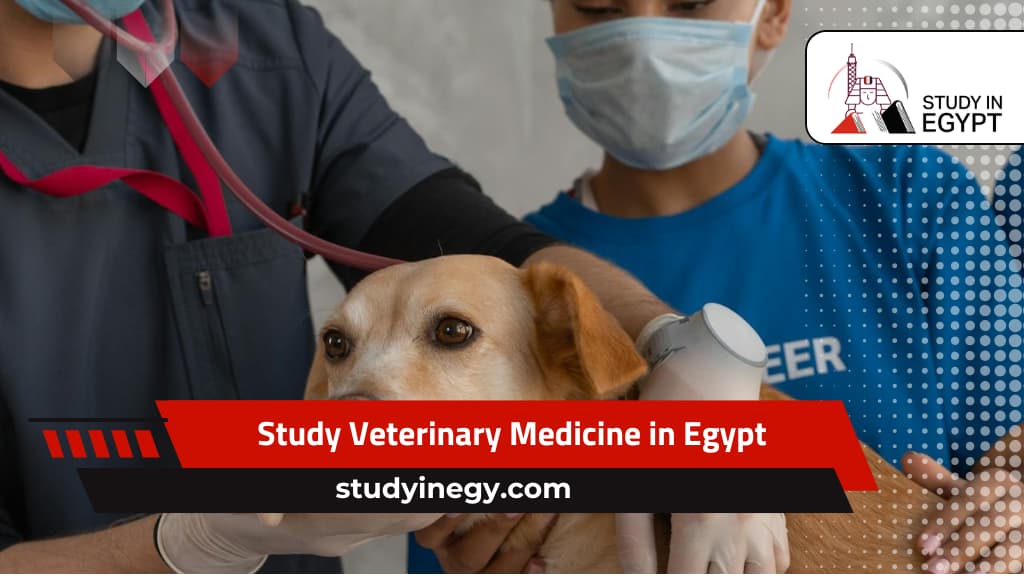
The General Syndicate of Veterinarians has reached an agreement with the Ministry of Local Development to exempt veterinary clinics from the decision banning work after 9 PM. This decision comes in the context of ongoing efforts to ensure the continuous provision of healthcare services for animals.
This exemption follows repeated demands from the syndicate, which emphasized the importance of veterinary clinics in providing urgent care for animals, especially in emergency situations that may require immediate intervention. Dr. Mohamed El-Shafie, the head of the Veterinarians' Syndicate, noted that this decision will contribute to improving the level of veterinary services provided.
Details of the Agreement
The agreement between the syndicate and the Ministry of Local Development includes exempting veterinary clinics from the restrictions imposed on working hours, allowing them to operate late into the night. This decision was reached after extensive discussions about the importance of veterinary clinics in maintaining animal health, particularly with the increasing demand for veterinary services in recent times.
El-Shafie also confirmed that this decision reflects the government's understanding of the vital role that veterinary clinics play in society and enhances veterinarians' ability to provide necessary care for animals during critical times.
Background & Context
Veterinary clinics are considered an essential part of the animal health system, offering a variety of services including medical examinations, vaccinations, and treatment of diseases. With the rising number of pets and farms in Egypt, it has become crucial to provide veterinary services available around the clock.
In recent years, Egypt has seen an increase in awareness regarding the importance of animal healthcare, leading to a rise in the number of veterinary clinics. However, the restrictions on working hours have posed a barrier to providing effective and timely services, prompting the syndicate to advocate for this exemption.
Impact & Consequences
This decision is expected to improve the level of healthcare for animals, as it will enable veterinarians to address emergency cases more swiftly. Additionally, it will help reduce the mortality rate among animals due to delays in receiving necessary care.
Furthermore, this decision may open the door for more veterinarians to work in clinics, thereby enhancing the veterinary sector's capacity to meet community needs. It also reflects the government's direction towards supporting vital sectors in the country.
Regional Significance
This step serves as a model for other Arab countries, many of which suffer from a lack of veterinary services. This experience could inspire neighboring countries to adopt similar policies that enhance animal healthcare and ensure the continuity of services during critical times.
In conclusion, this decision reflects the Egyptian government's commitment to improving veterinary services and enhances veterinarians' ability to provide necessary care for animals at all times.