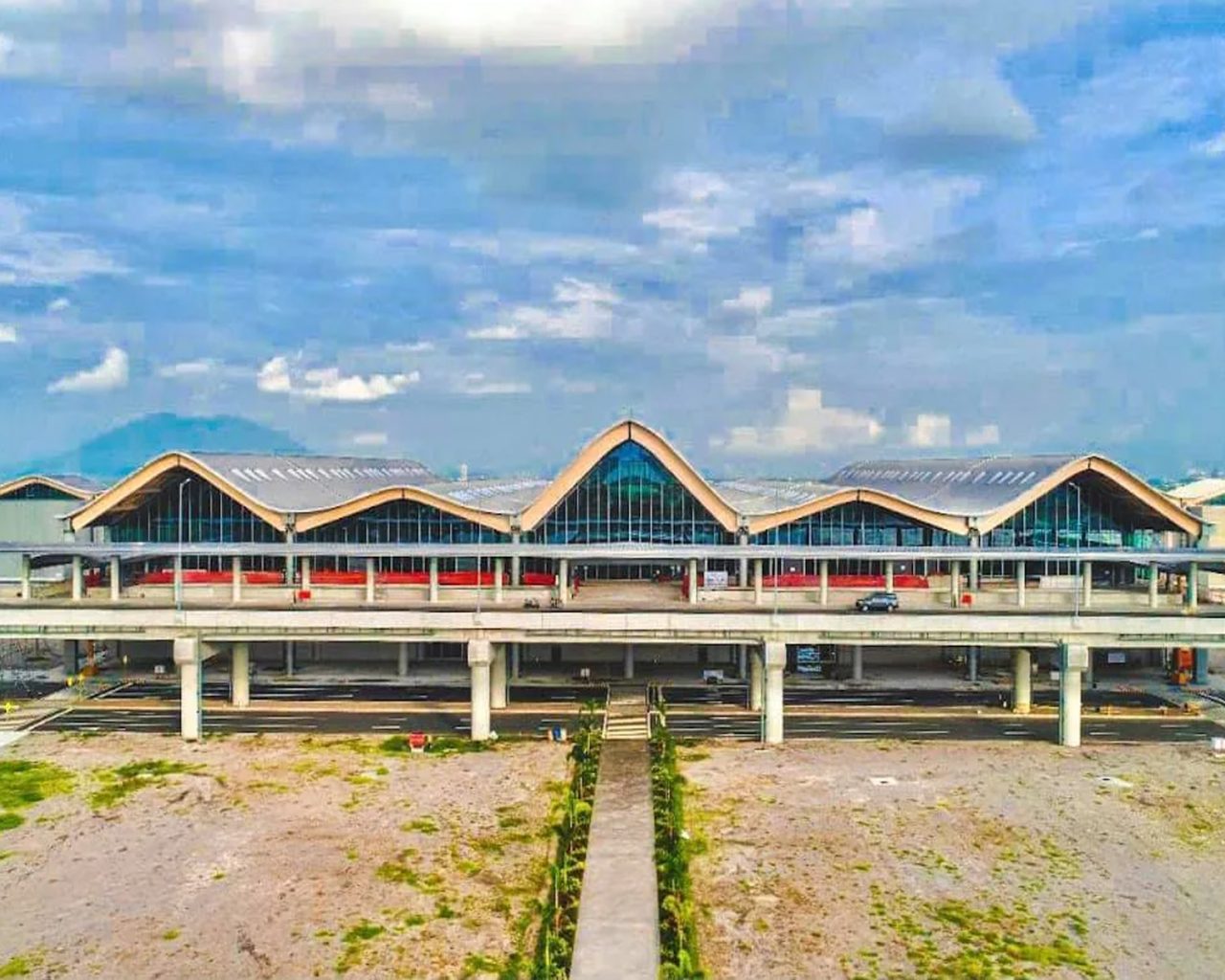
Clark International Airport, one of the prominent airports in the Philippines, has unveiled ambitious plans to expand its capacity through the construction of a second runway. This move is part of the Philippine government's efforts to enhance the aviation sector and meet the growing demand for air travel in the Luzon region. The project is expected to improve the travel experience for passengers and increase the number of flights.
The Philippine government aims to transform Clark Airport into a major air hub in Southeast Asia. With the rising air travel traffic, the establishment of a second runway will enable the airport to accommodate a larger number of aircraft, thereby enhancing its competitiveness against other airports in the region.
Project Details
The expansion project at Clark Airport includes the construction of a second runway measuring 3,200 meters, which will allow the airport to accommodate larger and more advanced aircraft. The project is expected to be completed by 2025, which will enhance the airport's capacity to handle both international and domestic flights. The project will also include improvements to the airport's infrastructure, including upgrades to facilities and services provided to travelers.
This initiative comes at a time when the aviation sector in the Philippines is witnessing a notable recovery following the impact of the COVID-19 pandemic. With the increasing demand for travel, Clark Airport is striving to meet the needs of travelers by enhancing its services and increasing its capacity.
Background & Context
Clark International Airport was established in 1993, initially serving as a U.S. military base before being converted into a civilian airport. Since then, the airport has experienced significant growth in passenger and cargo traffic. Today, it is considered one of the major aviation hubs in the Philippines, serving numerous domestic and international destinations.
The Philippine government is keen on enhancing aviation infrastructure as part of its economic development plans. Clark Airport is a crucial part of a larger strategy aimed at improving air transport and boosting tourism and investment in the country.
Impact & Consequences
The expansion of Clark Airport is expected to have positive effects on the local economy. The increase in capacity will lead to the creation of new job opportunities and stimulate economic activity in the region. Additionally, the project will contribute to attracting more tourists and investors to the Philippines, enhancing its status as a major tourist destination in the region.
Furthermore, the improvement of airport services will enhance the travel experience for passengers, potentially leading to increased customer loyalty and an improved international reputation for the airport. This will help bolster the Philippines' competitiveness in the regional aviation market.
Regional Significance
The expansion of Clark Airport is a strategic step to strengthen the Philippines' position in the regional and international aviation sector. By enhancing its capacity and services, the airport aims to become a key player in the growing Southeast Asian aviation market.
In conclusion, the development of a second runway at Clark International Airport represents a significant investment in the future of air travel in the Philippines, promising to enhance connectivity and support economic growth.