The war in the Middle East has entered its second month, with analyses indicating an escalation in regional conflict affecting global security, energy, and economy. There are no signs of an imminent end to the conflict, which has now entered an open-ended war of attrition.
In an analysis published by the French magazine Le Nouvel Observateur, five key questions were raised to understand the trajectory of the war in the upcoming phase. The report indicates that the conflict has expanded to include new regional actors, complicating the situation and reflecting uncertainty about the future of the conflict.
Details of the Event
Statements from U.S. officials, including Secretary of State Marco Rubio, discuss the possibility of achieving military objectives within weeks without the need for ground intervention. However, the door for negotiations remains open, despite Tehran's repeated assertions that it does not intend to negotiate with the United States. In this context, U.S. envoy Steve Witkoff expressed hope for talks with Iran this week, reflecting a state of uncertainty regarding the future of the conflict.
Moreover, the magazine indicates that the confrontation has surpassed the borders of Iran and Israel to include other regional actors, such as the Houthis, who have recently entered the conflict by targeting sensitive sites within Israel. Facilities in Gulf countries have also been attacked, threatening to expand the war into new areas, such as the Strait of Hormuz and Bab el-Mandeb.
Background & Context
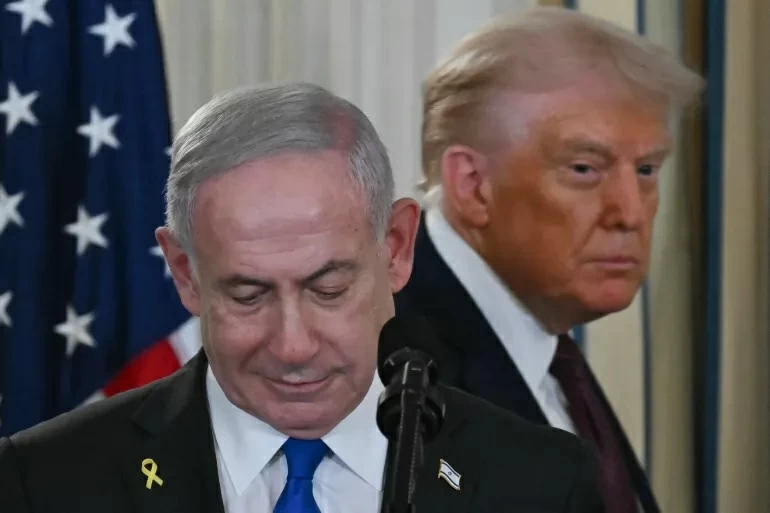
Concerns are growing that the war will target more civilian objectives, as reports indicate an increase in attacks on critical infrastructure, including the energy and water desalination sectors. Both sides have exchanged threats to strike vital facilities, with U.S. President Donald Trump threatening to target electrical facilities, while Iran has threatened to strike energy and technology facilities in the region.
Under these circumstances, the war continues to impact the global economy, with energy markets experiencing a significant shock as oil prices have sharply risen. There are fears of a repeat of the 1973 crisis, but today’s major economies are less dependent on oil compared to the 1970s, which may help mitigate the potential impacts of supply shortages.
Impact & Consequences
The repercussions of the war are increasing at both regional and international levels, with the cost of living rising in many countries, prompting some governments to take support measures to alleviate the impact on their citizens. The situation in Lebanon is also worsening, as Hezbollah has engaged in fighting in support of Iran, leading to a wide military escalation with Israel.
Official statistics indicate that the war has resulted in the deaths of 1,142 people and the displacement of over one million people in Lebanon, making the Lebanese arena one of the most dangerous fronts of escalation. Israel continues to bomb Lebanon with all types of weapons, in an attempt to expand a buffer zone along its borders.
Regional Significance
This war represents a real test for security and stability in the Arab region, as the risks of escalating the conflict to unprecedented levels increase. The economic and social repercussions may exacerbate humanitarian conditions in neighboring countries, necessitating international community intervention to mitigate the effects of this conflict.
In conclusion, the situation in the Middle East remains complex, as military calculations intertwine with economic risks, making it difficult to predict the course of events in the near future.