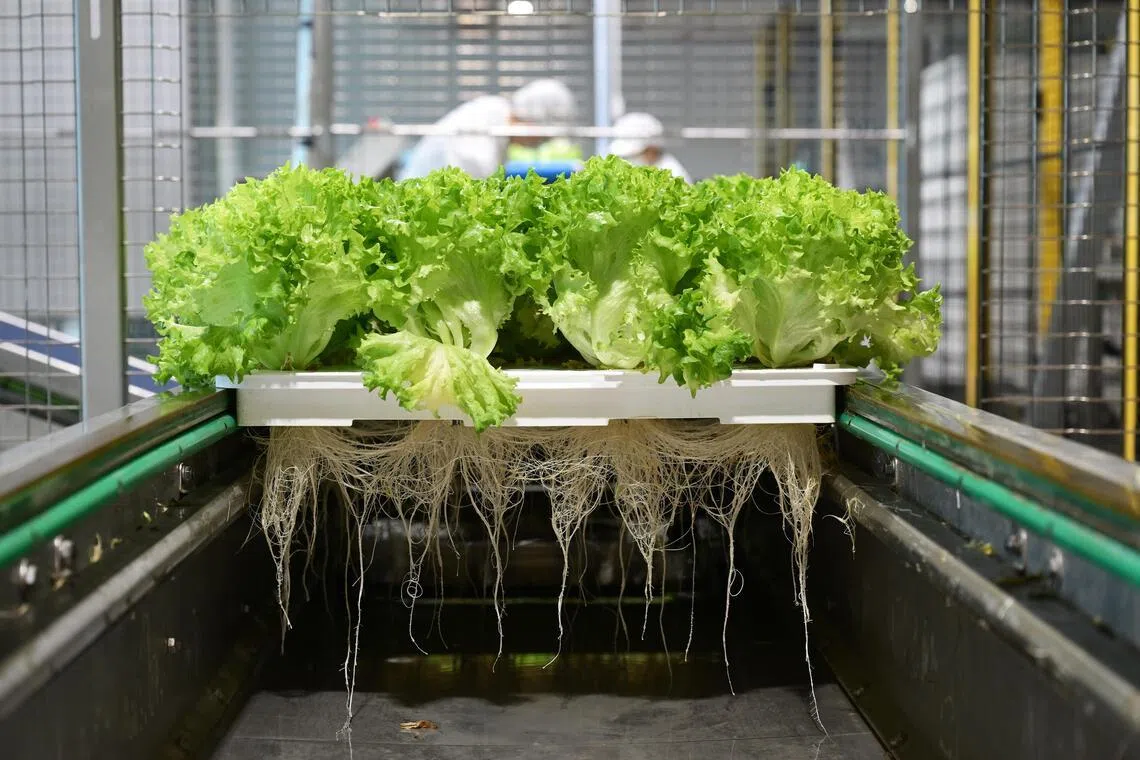
The Singapore Food Agency (SFA) has announced that farmers in the country can start applying to diversify their production from September 1. This initiative is part of the government's efforts to enhance food security in the nation, as Singapore aims to increase its agricultural production capacity.
The agency indicated that it will provide farmers with more time for planning and building projects, extending the period from three years to five years. This change aims to support farmers in developing new strategies that align with the growing market needs.
Details of the Initiative
This step is part of a broader strategy aimed at boosting local production and reducing reliance on imports. Singapore, which heavily depends on food imports, is striving to develop its agricultural sector by encouraging innovation and technology in farming.
This approach is expected to improve the quality and variety of local agricultural products, enhancing the country's ability to meet the increasing needs of its population. Furthermore, this change reflects the government's commitment to achieving sustainable development goals.
Background & Context
Historically, Singapore has relied on importing over 90% of its food needs. With a growing population and changing consumption patterns, it has become essential to enhance local production. In recent years, the government has launched several initiatives to support farmers, including grants and technical assistance.
These measures are part of Singapore's Vision 2030, which aims to achieve food security by increasing local production and improving the efficiency of the food supply chain. The government also seeks to foster innovation in agriculture through the use of modern technology.
Impact & Consequences
This decision is expected to have a positive impact on Singapore's agricultural sector. The extended planning period will provide farmers with a greater opportunity to develop new projects, potentially leading to increased productivity and improved product quality. Additionally, diversifying production will help mitigate risks associated with reliance on a single crop type.
Moreover, this initiative could create new job opportunities in the agricultural sector, boosting the local economy. Improved agricultural productivity may also contribute to lowering food prices, benefiting consumers.
Regional Significance
Singapore's experience in enhancing food security serves as a model that Arab countries can benefit from, as they face similar challenges in securing their food needs. Many Arab nations also rely on imports to meet their requirements, making it crucial to develop local strategies to boost agricultural production.
Arab countries can leverage technological innovations in agriculture, such as vertical farming and hydroponics, to enhance their local production. Additionally, cooperation among Arab nations in the field of food security could contribute to achieving sustainable development goals in the region.