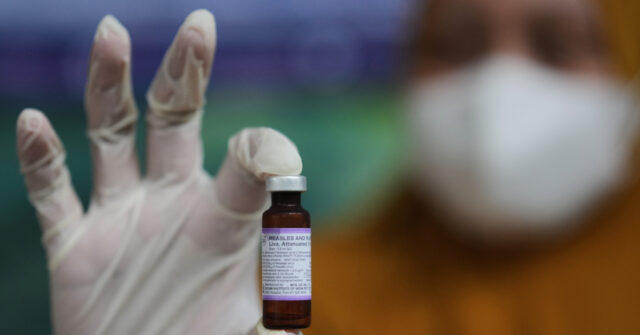
The National Agency of Drug and Food Control (BPOM) in Indonesia has announced the expansion of the measles vaccine to include at-risk adult populations as part of a comprehensive strategy to combat the anticipated outbreak in 2026. This announcement was made during a press conference in the capital, Jakarta, where the head of the agency, Taruna Ikar, confirmed that this step is a response to the noticeable increase in measles cases across various regions.
Ikar noted that the Indonesian government is closely monitoring the health situation, with 58 outbreaks reported in 39 areas across 14 provinces as of the eleventh week of 2026. Despite a significant decline in cases by 93% compared to the peak of 2,220 cases, risks remain, particularly among adults who have not received adequate vaccinations.
Details of the Initiative
This initiative follows a comprehensive assessment based on scientific data, with consultations held with the World Health Organization (WHO) and the National Drug Assessment Committee. It has been confirmed that the measles vaccine produced by the Indonesian company Bio Farma will be approved for use among adults starting from April 7, 2026. This decision aims to enhance efforts to ensure the availability of safe and effective vaccines.
Ikar further explained that the expanded vaccine use will also include other vaccines such as the measles, mumps, and rubella (MMR) vaccine from global companies like GlaxoSmithKline and Merck Sharp & Dohme, providing multiple options for adults.
Background & Context
Historically, Indonesia has faced significant challenges in combating infectious diseases, including measles. In recent years, the country has witnessed a rise in measles cases, prompting the government to take stringent measures to bolster vaccination programs. Vaccination is considered one of the most crucial tools in combating disease outbreaks, as it helps reduce the number of cases and fatalities resulting from measles.
In past years, vaccination programs have primarily focused on children, but with the increasing incidence of measles among adults, it has become essential to expand vaccination coverage to include this demographic. This shift reflects a deeper understanding of the community's health needs and strengthens the healthcare system's ability to address future challenges.
Impact & Consequences
The expansion of measles vaccine use is expected to reduce infection rates among adults, positively impacting public health. Focusing on the most at-risk groups, such as healthcare workers and international travelers, is a strategic step aimed at protecting the community as a whole.
These efforts also require enhanced awareness campaigns about the importance of vaccination, with the media playing a vital role in educating the public about the benefits of vaccines and how to access them. Additionally, ensuring the availability of sufficient vaccines is crucial for the success of this initiative.
Regional Significance
Indonesia's experience in expanding the use of the measles vaccine serves as a model for many Arab countries facing similar challenges in combating infectious diseases. Arab nations can benefit from this experience by enhancing vaccination programs and broadening their scope to include the most at-risk populations.
Furthermore, collaboration with international organizations such as the World Health Organization can contribute to improving vaccination strategies in the region, thereby enhancing Arab countries' capacity to tackle future health challenges.