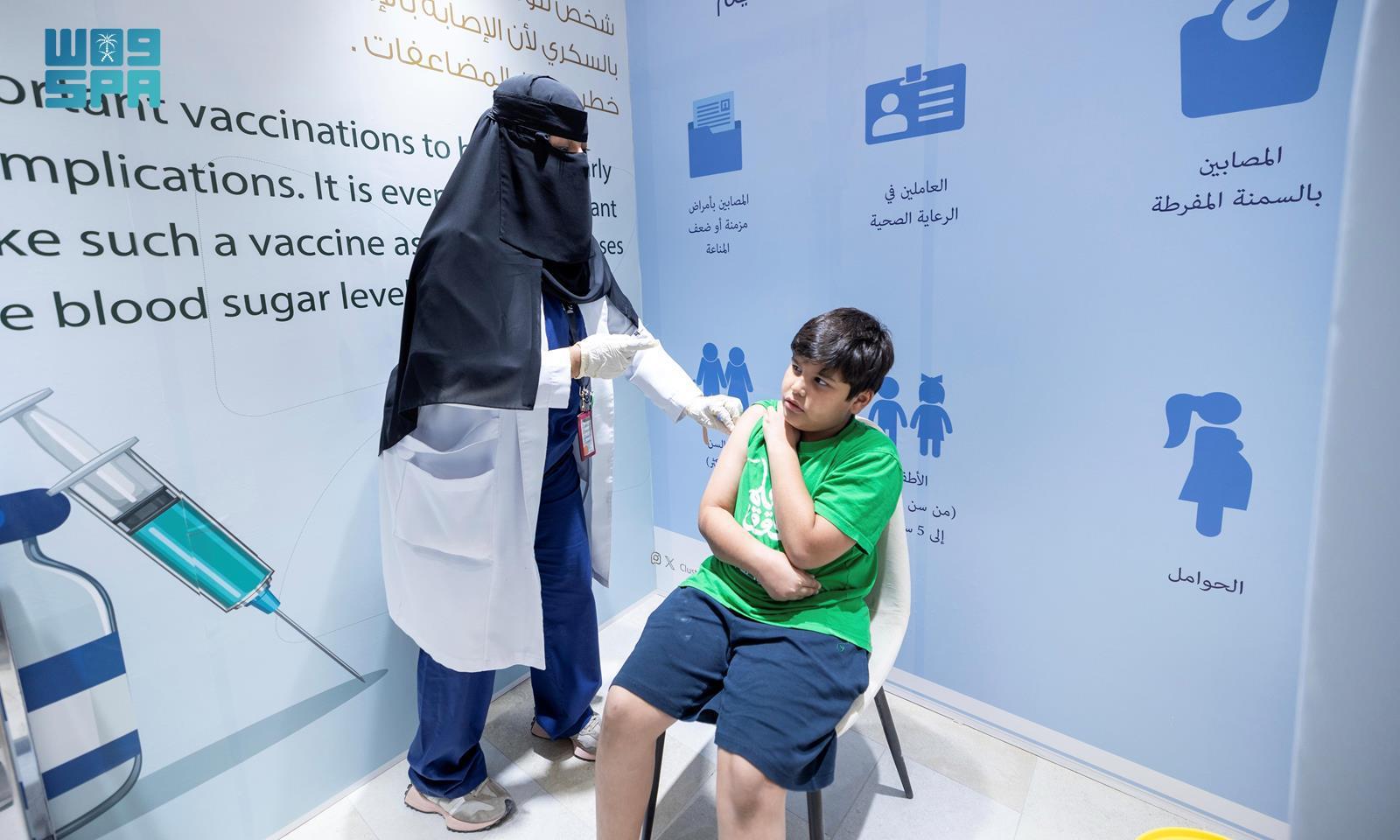
Health authorities in the United Kingdom Health Security Agency (UKHSA) have announced the expansion of the vaccination campaign against type B meningitis to include 11th-grade students in schools where the vaccine has previously been administered. This decision is a precautionary measure to ensure long-term protection for students aged 15 to 16, following an outbreak of the disease in the Kent area earlier this month.
No new cases of meningitis have been reported for the second consecutive day, with the agency confirming that the number of confirmed cases remains at 20, while 3 cases are still under investigation. The total number of cases has decreased from 29 cases reported on Sunday to 23 cases.
Details of the Outbreak
Earlier this month, the Kent area experienced an outbreak of meningitis, resulting in the deaths of two individuals. Health authorities responded swiftly to this situation by vaccinating over 10,000 people and distributing more than 13,000 doses of antibiotics. Professor Robin May, the chief scientist at UKHSA, confirmed that the analyses conducted by the agency provide strong assurances that the available vaccines and antibiotic treatments are effective against this type of meningitis.
Trish Maness, the regional deputy director for the southeast, reported that the outbreak has peaked, indicating that the situation is under control.
Background & Context
Meningitis is a serious disease that can lead to severe complications, including death. Type B meningitis causes inflammation of the membranes surrounding the brain and spinal cord and is more common among young people. In recent years, many European countries have seen an increase in meningitis cases, prompting governments to enhance vaccination programs.
In the United Kingdom, the vaccine against type B meningitis has been introduced as part of the national vaccination program and has proven effective in reducing the number of cases. However, the recent outbreak in Kent highlights the importance of continuing vaccination programs and health awareness initiatives.
Impact & Consequences
Expanding the vaccination campaign to include 11th-grade students is a significant step in combating the meningitis outbreak. This measure not only ensures the protection of students but also reflects a swift and effective response from health authorities in the United Kingdom. Additionally, this vaccination may help alleviate pressure on the healthcare system, which is under significant strain due to the COVID-19 pandemic.
This campaign also presents an opportunity to raise awareness about the importance of vaccinations in general, especially in light of current global health challenges. It is crucial for parents and communities to recognize the significance of receiving vaccines to protect their children's health and the health of the community as a whole.
Regional Significance
Although the meningitis outbreak in the United Kingdom may seem distant from the Arab region, there are lessons to be learned. Many Arab countries face similar health challenges, with an increasing need to enhance vaccination programs and health awareness. Successful experiences in other countries can serve as a model for the region.
Furthermore, strengthening cooperation between countries in public health and sharing information about infectious diseases can contribute to improving responses to future epidemics.