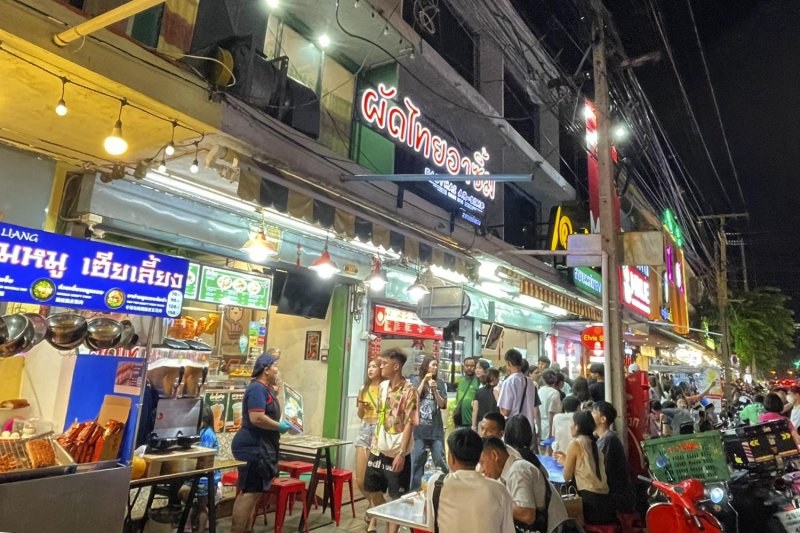
Restaurants in Thailand are bracing for a noticeable decline in sales during this year's Songkran holiday, which runs from April 11 to 15, according to the Thai Restaurant Association. This decline comes amid challenging economic conditions faced by citizens, as living costs have risen significantly.
Thaniwan Kulmongkol, the association's president, stated that food is often the first item to be cut from family budgets. She noted that this year's Songkran holiday may be less festive compared to last year, raising concerns among restaurant owners.
Event Details
While many Thais will continue to travel during this period, they may opt for more affordable dining options. Reports indicate that some families may reduce the frequency of dining out, while others might shift from well-known restaurants to food markets or even small shops.
In tourist areas, restaurants heavily rely on foreign visitors to offset the lack of local customers, as many tourists have high spending power. However, the Tourism Authority of Thailand predicted that revenues from both local and foreign tourists during Songkran could reach 30 billion baht, a 6% increase from last year.
Background & Context
These forecasts come at a time when the world is witnessing a rise in raw material prices due to the ongoing conflict in the Middle East, which has led to increased fuel prices. For instance, the price of palm oil has risen from around 40 baht to 51 baht per liter, directly impacting the operating costs for restaurants.
Medium and large restaurants, which have good cash flow, face challenges in securing ingredients and packaging, fearing potential supply shortages. Meanwhile, small restaurants suffer from daily price fluctuations, which may force them to borrow or turn to informal lenders.
Impact & Consequences
Thaniwan expressed concern for small restaurant owners, as they are more vulnerable to price fluctuations. She has called for the re-launch of the Khun La Khuoing Plus program, which allows registered participants to pay half the price for goods purchased from local stores, potentially helping to boost consumer spending.
If implemented, this program could contribute to increasing restaurant sales and supporting their income, especially as profit margins decline due to rising raw material costs.
Regional Significance
These developments in Thailand's restaurant sector indicate the impact of regional conflicts on the global economy. The rising living costs in a country like Thailand may reflect on other nations, including Arab countries that rely on tourism and trade.
Ultimately, hope remains pinned on stabilizing economic and political conditions, which could help improve citizens' living standards and invigorate the restaurant sector.