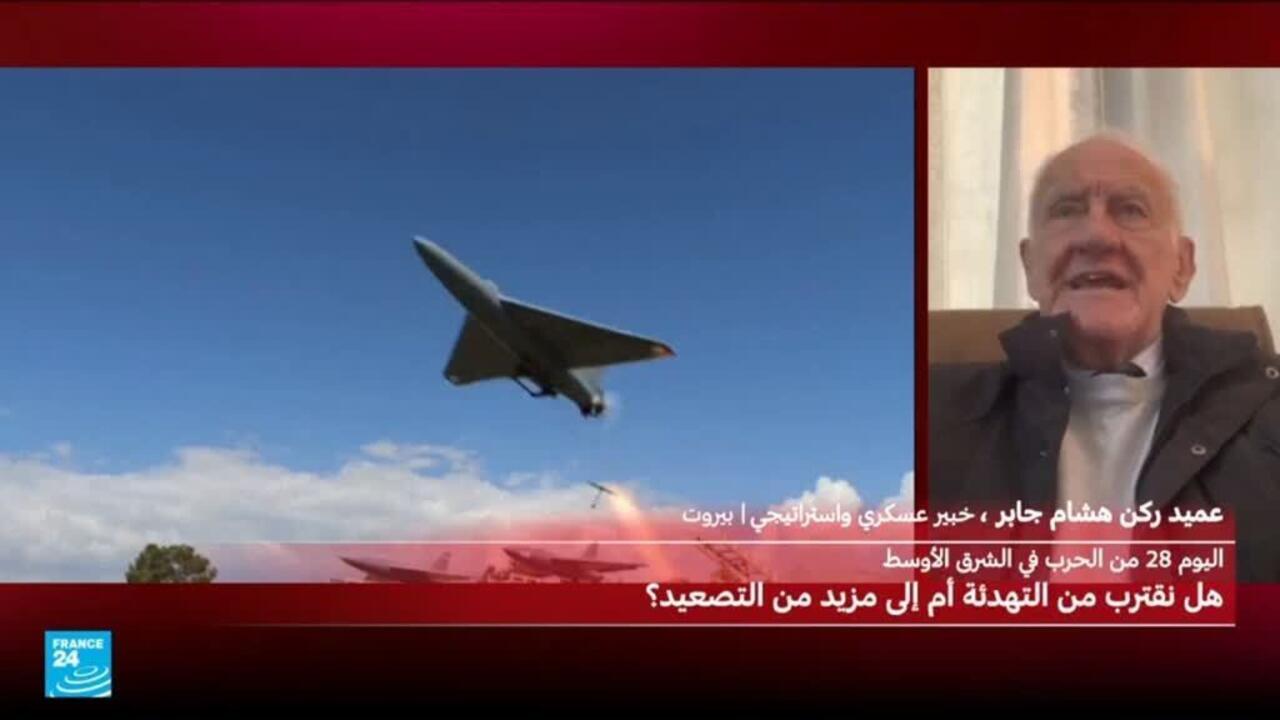
Polish Prime Minister Donald Tusk has warned of a potential escalation in the conflict in the Middle East over the next few days. In statements made to reporters, Tusk emphasized that there are reasons to believe that stability in the region is unlikely, referring to information received from his allies indicating that the situation may be heading towards a new escalation.
These warnings come at a sensitive time, as the deadline set by former US President Donald Trump for Iran expires on April 6, which heightens tensions in the region. This deadline has raised concerns about possible Iranian reactions that could exacerbate the situation.
Details of the Situation
In his remarks, Tusk pointed out that the information he received from his allies suggests that there are movements that could lead to military escalation, raising concerns within the international community. These statements come at a time when relations between Iran and the United States are increasingly strained, as Washington seeks to impose new sanctions on Tehran.
The situation in the Middle East is further complicated by rising tensions between Iran and Gulf countries, with some nations accusing Iran of supporting armed groups that threaten regional stability. Previous warnings have been issued by American and European officials regarding the potential consequences of any military escalation.
Background & Context
Historically, the Middle East has witnessed numerous conflicts and disputes, with Iran often being a central figure in these conflicts. Since the United States withdrew from the Iranian nuclear deal in 2018, tensions have escalated significantly, with Washington imposing stringent sanctions on Tehran.
In recent years, Iran has bolstered its influence in the region by supporting groups such as Hezbollah in Lebanon and the Houthis in Yemen, leading to strong reactions from Gulf countries and the United States. These complex dynamics make it difficult to predict the course of events in the near future.
Impact & Consequences
If military escalation occurs in the region, it could have severe implications for both regional and international security. Any military operations are likely to increase tensions among major powers, potentially dragging the region into a wider conflict.
Moreover, the global economy could be significantly affected, particularly in the energy sector, as the Gulf region is a major source of oil. Any disruptions in this sector could lead to rising oil prices, impacting the global economy.
Regional Significance
For Arab countries, any escalation in the conflict could exacerbate humanitarian and economic crises. Many Arab nations are already suffering from internal conflicts, and any external escalation could complicate these situations further.
There are also concerns about a potential influx of refugees as a result of any escalation, which could place additional pressure on neighboring countries. In this context, Arab nations must be prepared to face any developments that may arise in the regional arena.
In conclusion, the situation in the Middle East remains complex and unstable, requiring close monitoring by the international community. Tusk's recent statements highlight the importance of caution and strategic thinking in addressing these escalating crises.