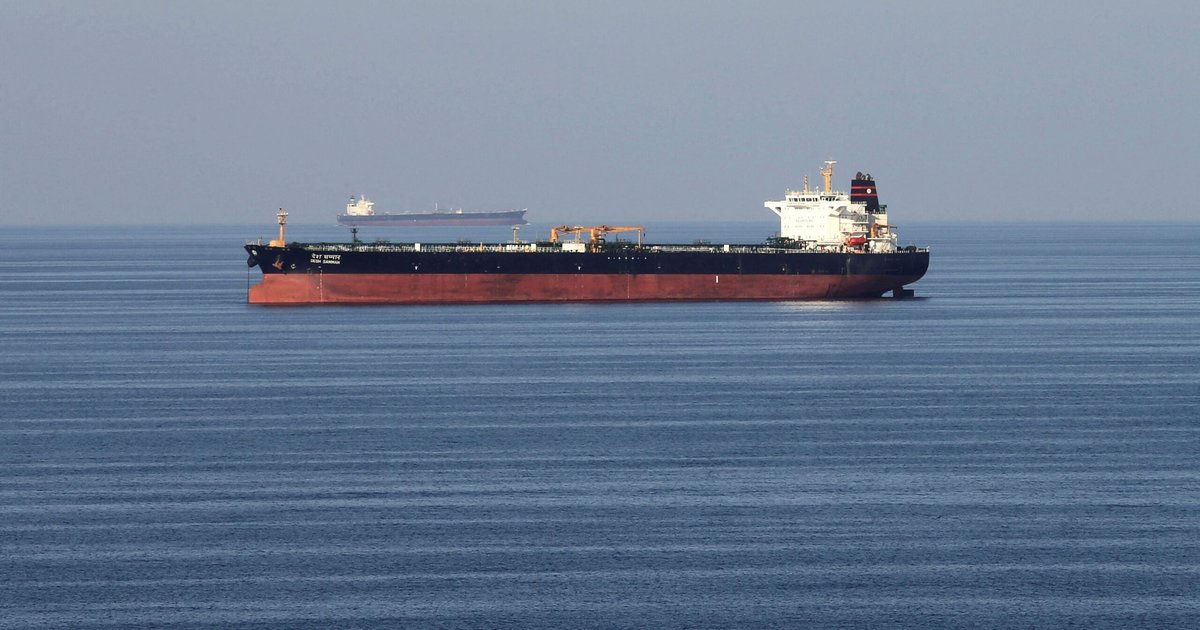
Despite ships passing through the Philippine Strait, forecasts indicate that fuel prices will not decrease in the near future. This has been confirmed by energy experts, who point to several factors affecting the global market. This comes at a time when energy markets are experiencing significant fluctuations due to geopolitical tensions and increasing demand for fuel.
Energy experts have reported that the passage of ships through the Philippine Strait may not have a significant impact on global fuel prices. While this strait is one of the vital maritime routes, other economic and political factors play a larger role in determining prices.
Event Details
Fuel prices are a sensitive issue that affects the global economy. With increasing energy demand, especially in developing countries, any changes in maritime transport could impact prices. However, experts believe that other factors, such as oil production and political tensions in other regions, play a more significant role.
Although the Philippine Strait provides an alternative route, logistical challenges and transportation costs may limit the effectiveness of this route in reducing prices. There are also concerns that any changes in transport movements could lead to price increases rather than decreases.
Background & Context
Historically, the Philippine Strait is considered one of the most important maritime routes in the world, through which approximately 20% of the total oil transported by sea passes. However, political tensions in the region, particularly among major powers, may affect transport movements and fuel prices.
In recent years, the world has witnessed significant fluctuations in oil prices due to several factors, including increased U.S. production, production cuts by OPEC, and geopolitical tensions in the Middle East. These combined factors make it difficult to predict price trends in the near future.
Impact & Consequences
Fuel prices directly affect the global economy, as rising prices can lead to increased transportation and production costs, negatively impacting consumers. Countries that rely on oil imports may face greater economic challenges if prices continue to rise.
Moreover, political tensions in other parts of the world, such as Ukraine and the Middle East, could lead to increased instability in energy markets. Therefore, any changes in transport through the Philippine Strait may not be sufficient to alleviate pressure on prices.
Regional Significance
Arab countries are among the largest oil producers in the world, and thus any changes in fuel prices directly affect their economies. If prices continue to rise, these countries may face significant economic challenges, especially those that heavily depend on oil revenues.
It is crucial for Arab countries to monitor global market developments and be prepared to adapt to any changes that may arise. They should also work on diversifying their income sources and reducing their reliance on oil as a primary revenue source.
In conclusion, despite ships passing through the Philippine Strait, economic and political challenges remain, making it difficult to predict fuel price trends in the near future.