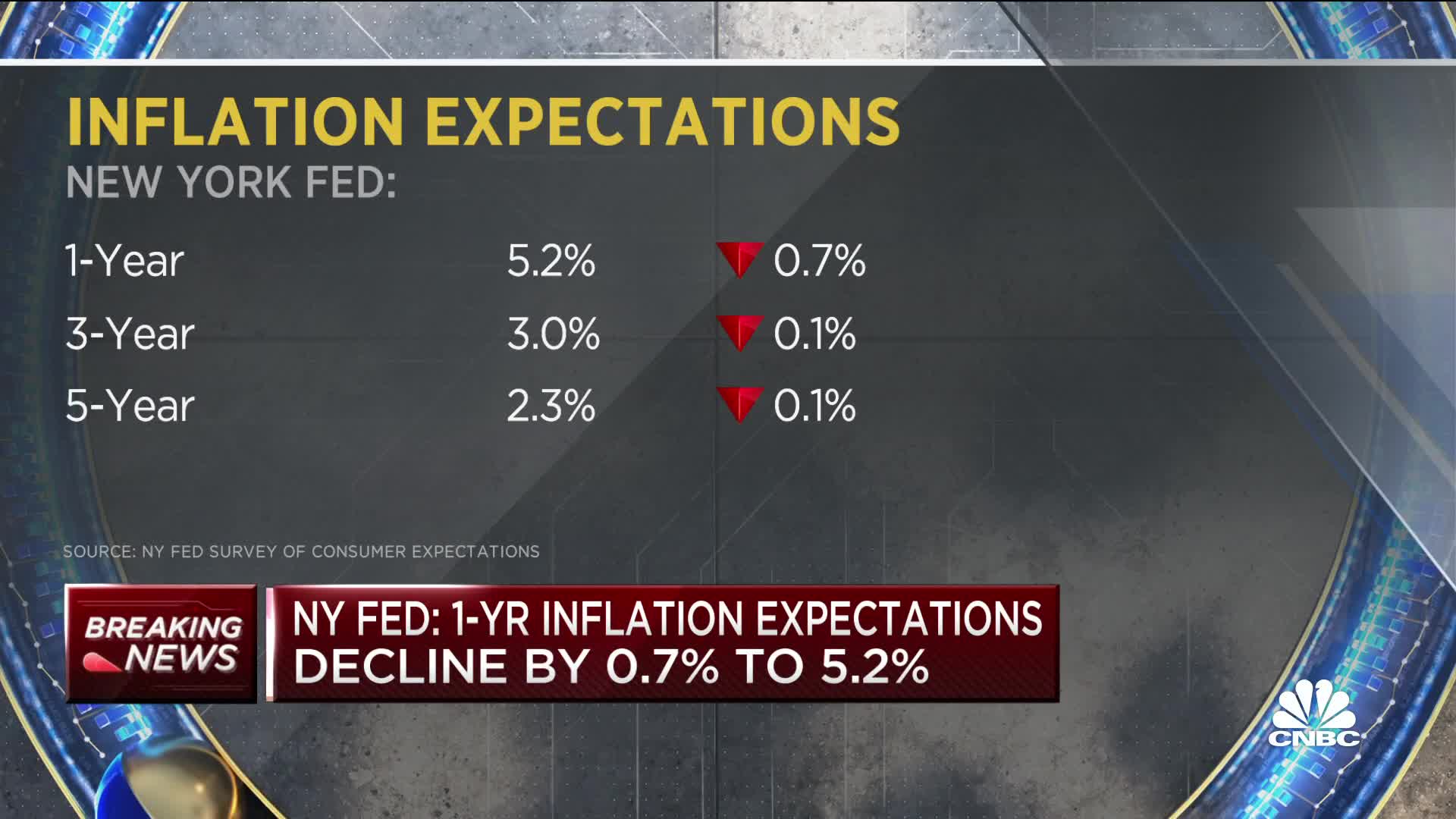
John Williams, President of the Federal Reserve Bank of New York, has announced his predictions regarding inflation rates in the United States, indicating that the rate is expected to reach 2.75% during the current year. This statement was made during his conversation with Michael McKee on the "Bloomberg Surveillance" program, where he explained that the impacts of the Iranian conflict could have significant repercussions on this rate.
Williams' remarks come at a time when the global economy is experiencing sharp fluctuations, as geopolitical crises, such as the Iranian dispute, contribute to increased pressures on energy prices, negatively affecting inflation rates. Inflation is currently one of the most prominent challenges facing the US economy, as the Federal Reserve strives to achieve price stability.
Details on Inflation Predictions
In his discussion, Williams noted that current estimates indicate a significant likelihood of rising energy prices, which could lead to an increase in the inflation rate. This situation poses a major concern for both investors and consumers, as rising prices may impact citizens' purchasing power.
Williams also confirmed that the Federal Reserve is closely monitoring market developments and is prepared to take necessary actions to address any unexpected changes in the economy. This statement reflects the Federal Reserve's commitment to achieving its goals of price stability and economic growth.
Background & Context
Historically, the United States has faced numerous economic crises that have affected inflation rates, such as the oil crisis in the 1970s and the global financial crisis in 2008. In each instance, the Federal Reserve responded by implementing measures such as lowering interest rates or purchasing assets to stimulate the economy.
The current Iranian conflict is one of the geopolitical crises that could significantly impact the global economy, as Iran is considered one of the largest oil producers in the world. Any escalation in the conflict could lead to disruptions in the oil market, negatively affecting the US economy.
Impact & Consequences
It is expected that the rising inflation forecasts will influence the Federal Reserve's future decisions, potentially forcing it to adjust its monetary policy to confront new challenges. If inflation continues to rise, the Federal Reserve may have to increase interest rates, which could lead to a slowdown in economic growth.
The effects of these policies will not be limited to the United States alone but will extend to the global economy, as any changes in US monetary policy affect financial markets worldwide. Investors and analysts are closely watching for any signals from the Federal Reserve regarding its next steps.
Regional Significance
The implications of inflation predictions are crucial indicators of the health of the US economy, and their impact extends to global markets. Understanding these dynamics is essential for stakeholders, as they navigate the complexities of international economic relations.
In conclusion, the interplay between inflation expectations and geopolitical tensions underscores the interconnectedness of the global economy, highlighting the need for vigilant monitoring and responsive policy measures.