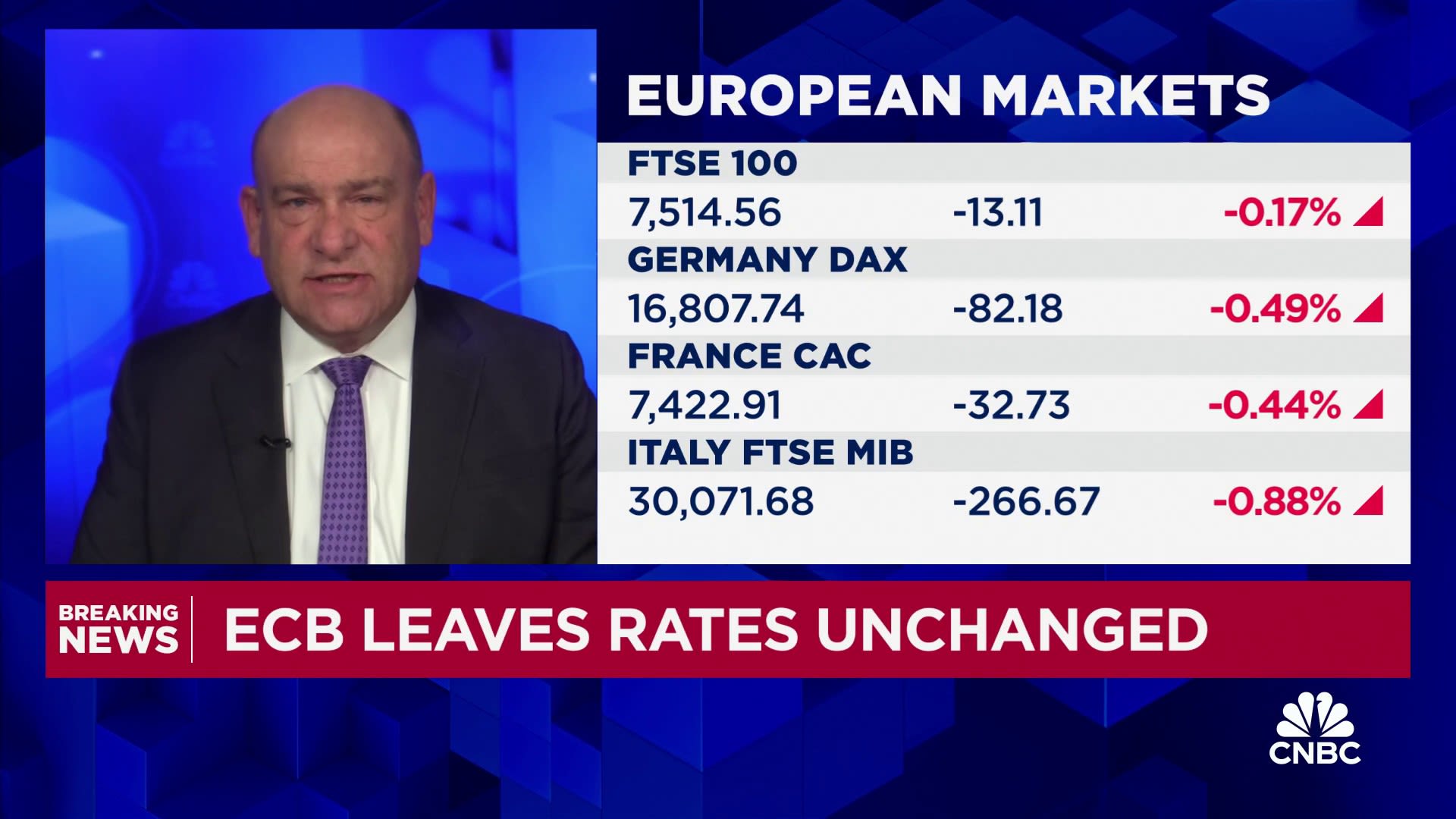
European Central Bank board member Madis Müller stated that an increase in borrowing costs cannot be ruled out during the upcoming monetary policy meeting, should the Iran crisis continue to drive up oil and natural gas prices. This comes at a critical time as energy prices rise amid geopolitical tensions, raising inflation concerns in the Eurozone.
These remarks serve as a warning to financial markets, as any increase in interest rates could significantly impact economic growth in the region. Müller indicated that the European Central Bank is closely monitoring the situation, and future decisions will depend on developments in global markets.
Details of the Event
Müller's comments come at a time when the European economy is facing significant challenges, with the aftermath of the COVID-19 pandemic still affecting economic activity. Additionally, geopolitical conflicts, particularly the dispute in Iran, cast a shadow over the stability of energy markets. This has led to rising oil and gas prices, increasing inflationary pressures.
At the upcoming European Central Bank meeting scheduled for April, policymakers will need to carefully assess the situation. If energy prices continue to rise, the bank may have to take unprecedented steps to combat rising inflation.
Background & Context
Historically, the European Central Bank has played a crucial role in stabilizing the European economy. Since its establishment, the bank has faced multiple challenges, ranging from the sovereign debt crisis in the Eurozone to the impacts of the COVID-19 pandemic. In recent years, the European Central Bank has taken unconventional measures, such as lowering interest rates to record lows and implementing asset purchase programs aimed at supporting the economy.
However, current conditions require a more cautious response. Rising energy prices could lead to increased living costs, which may negatively impact domestic demand. Therefore, any decision to raise interest rates must be taken with extreme caution.
Impact & Consequences
If the European Central Bank decides to raise interest rates, it could have a significant impact on financial markets. This move is likely to lead to increased borrowing costs, which could affect both businesses and individuals. Additionally, higher interest rates may slow economic growth, as consumers may hesitate to spend.
Furthermore, an increase in interest rates could lead to capital outflows from the Eurozone, potentially weakening the European currency. Thus, the European Central Bank finds itself in a difficult position, needing to balance the need to control inflation with the necessity of maintaining economic growth.
Regional Significance
The Middle East, particularly oil-producing countries, is directly affected by fluctuations in energy prices. If oil prices continue to rise due to the Iranian crisis, some Arab countries may benefit from increased revenues. However, rising energy prices may also lead to higher living costs in these countries, potentially causing discontent among citizens.
Ultimately, the global economic situation is closely interconnected, and any moves by the European Central Bank could impact monetary policies in Arab countries. Therefore, policymakers in the region must closely monitor developments.