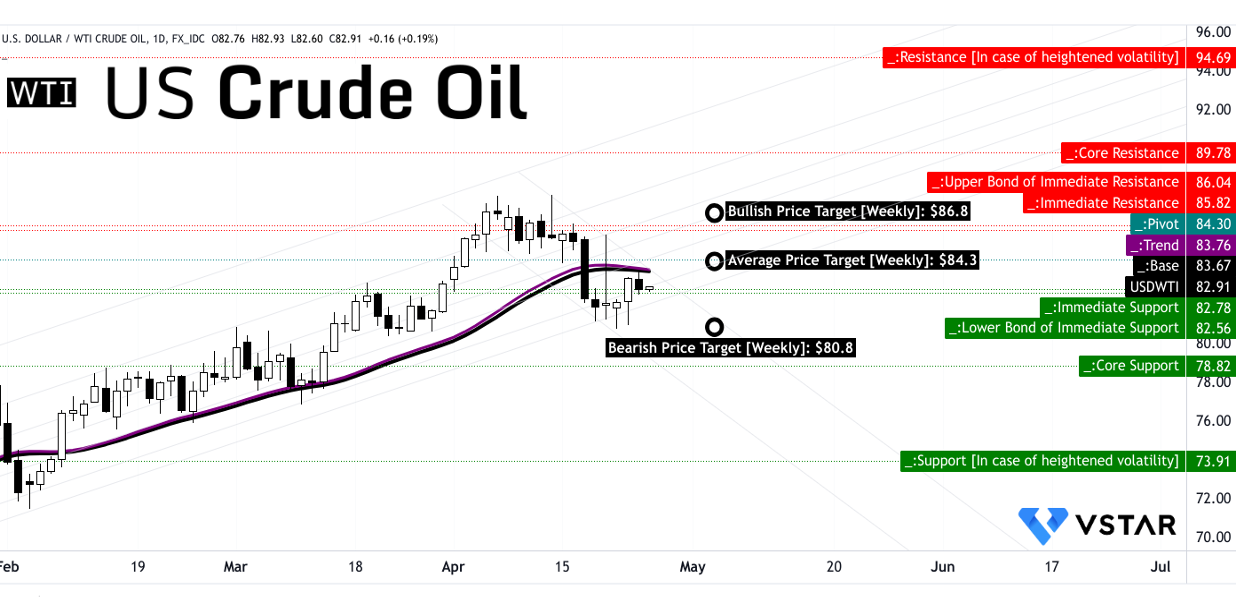
Recent economic reports suggest that oil prices may rise significantly in the near future due to several factors related to supply and demand, alongside geopolitical tensions affecting global markets. Experts anticipate that oil markets will experience considerable volatility, potentially leading to prices reaching unprecedented levels.
In this context, several analysts have pointed out that the fundamental factors influencing oil prices include increased global demand, particularly from developing countries, along with production cuts by some producing nations. Additionally, political crises in regions such as the Middle East may lead to reduced supply, contributing to rising prices.
Details of the Event
Concerns are growing that political crises in some oil-producing countries may lead to production cuts, negatively impacting markets. Moreover, tensions between major nations could result in price instability, making forecasts of rising prices more realistic. Some analysts have indicated that prices could reach record levels if these conditions persist.
Furthermore, climate changes and environmental policies may also impact production, as countries strive to reduce reliance on fossil fuels. This situation could lead to short-term price increases, as production may decline in certain areas.
Background & Context
Historically, oil prices have experienced significant fluctuations due to political and economic crises. For instance, in 1973, the oil crisis led to a substantial price increase, affecting the global economy. Additionally, crises in the Arabian Gulf region have had clear impacts on prices over the past decades.
In recent years, we have also witnessed the impact of the COVID-19 pandemic on global oil demand, with prices sharply declining in 2020. However, demand has gradually begun to recover, contributing to price stabilization. Yet, with ongoing geopolitical tensions, the question remains about the sustainability of this stability.
Impact & Consequences
If oil prices continue to rise, it will significantly impact the global economy. Oil-importing countries may face increasing economic pressures, potentially leading to rising inflation. Conversely, producing countries may benefit from higher prices, enhancing their revenues.
Additionally, rising prices may affect the monetary policies of nations, as central banks may be compelled to take measures to address increasing inflation. This situation could lead to changes in interest rates, impacting investments and consumer spending.
Regional Significance
For Arab countries, rising oil prices may have both positive and negative effects. Producing nations like Saudi Arabia and Iraq may benefit from increased revenues, enabling them to bolster development projects. Meanwhile, importing countries such as Egypt and Jordan may face economic challenges due to rising energy costs.
In conclusion, the future of oil prices remains uncertain, but forecasts indicate the potential for significant price increases, necessitating that countries take appropriate measures to address these changes.