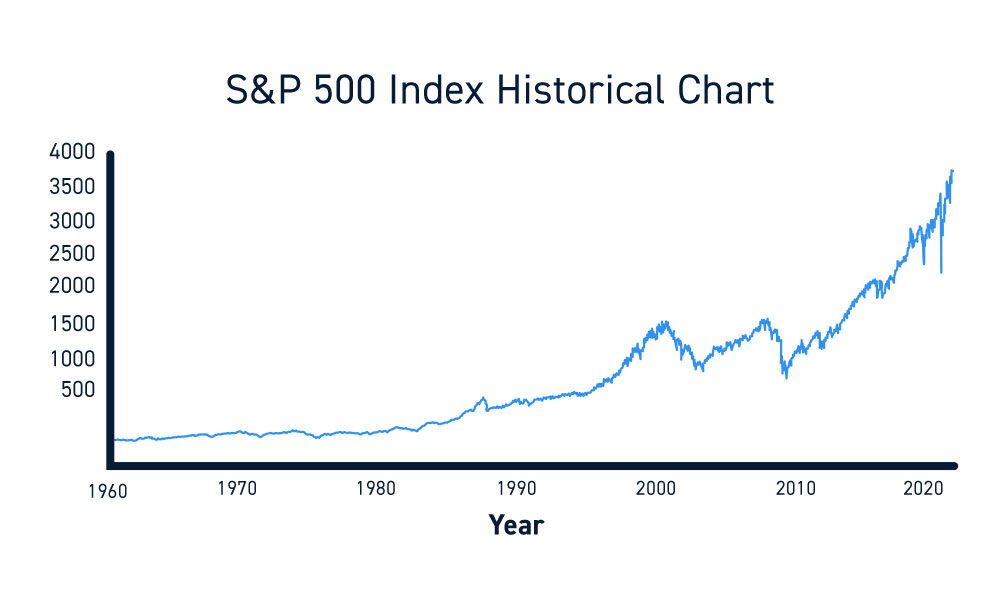
Financial analyses predict a significant decline in the S&P 500 index, reaching 6000 points by May, reflecting weakness in financial markets. This forecast arises amid increasing volatility and economic instability, as data shows that strong one-day rallies have become more common in weak markets.
Reports indicate that U.S. financial markets are facing major challenges, which could lead to a substantial price correction. Analysts expect that the 6000 points level may be the bottom that the index could reach, raising concerns among investors about the future of the U.S. economy.
Event Details
The S&P 500 index is one of the most prominent stock market indicators in the U.S., comprising 500 of the largest publicly traded companies. The index has experienced significant fluctuations recently, with its value declining sharply due to several factors, including rising inflation rates, increasing interest rates, and geopolitical tensions.
In this context, experts have pointed out that the sudden price increases seen in some stocks may be merely short-term reactions, and that the overall trend remains downward. Data has shown that weak markets tend to record strong one-day rallies, but they often revert to declines afterward.
Background & Context
Historically, U.S. financial markets have undergone numerous economic cycles that have led to significant price corrections. For instance, in 2008, markets faced a financial crisis that resulted in a sharp decline in stock values. In recent years, there have been increasing concerns about a similar correction, especially with global economic changes.
The impact of the COVID-19 pandemic on the global economy has also contributed to increased market volatility. The expansive monetary policies adopted by central banks have led to unprecedented inflation, adding pressure to financial markets.
Impact & Consequences
If this scenario materializes and the S&P 500 index drops to 6000 points, it could have widespread effects on the U.S. and global economies. Investors may reduce their investments, leading to a slowdown in economic growth.
Moreover, these changes could affect small and medium-sized enterprises, which heavily rely on investments and financial markets. A decline in the index could also lead to a loss of confidence in the market, further increasing pressures on the economy as a whole.
Regional Significance
The U.S. financial markets are an important indicator for global markets, including Arab markets. If the S&P 500 index continues to decline, it may impact investment flows to the Arab region, increasing economic pressures.
Additionally, fluctuations in U.S. markets could affect oil and commodity prices, negatively impacting the economies of Arab countries that depend on these resources. Therefore, monitoring these developments will be crucial for investors and decision-makers in the region.