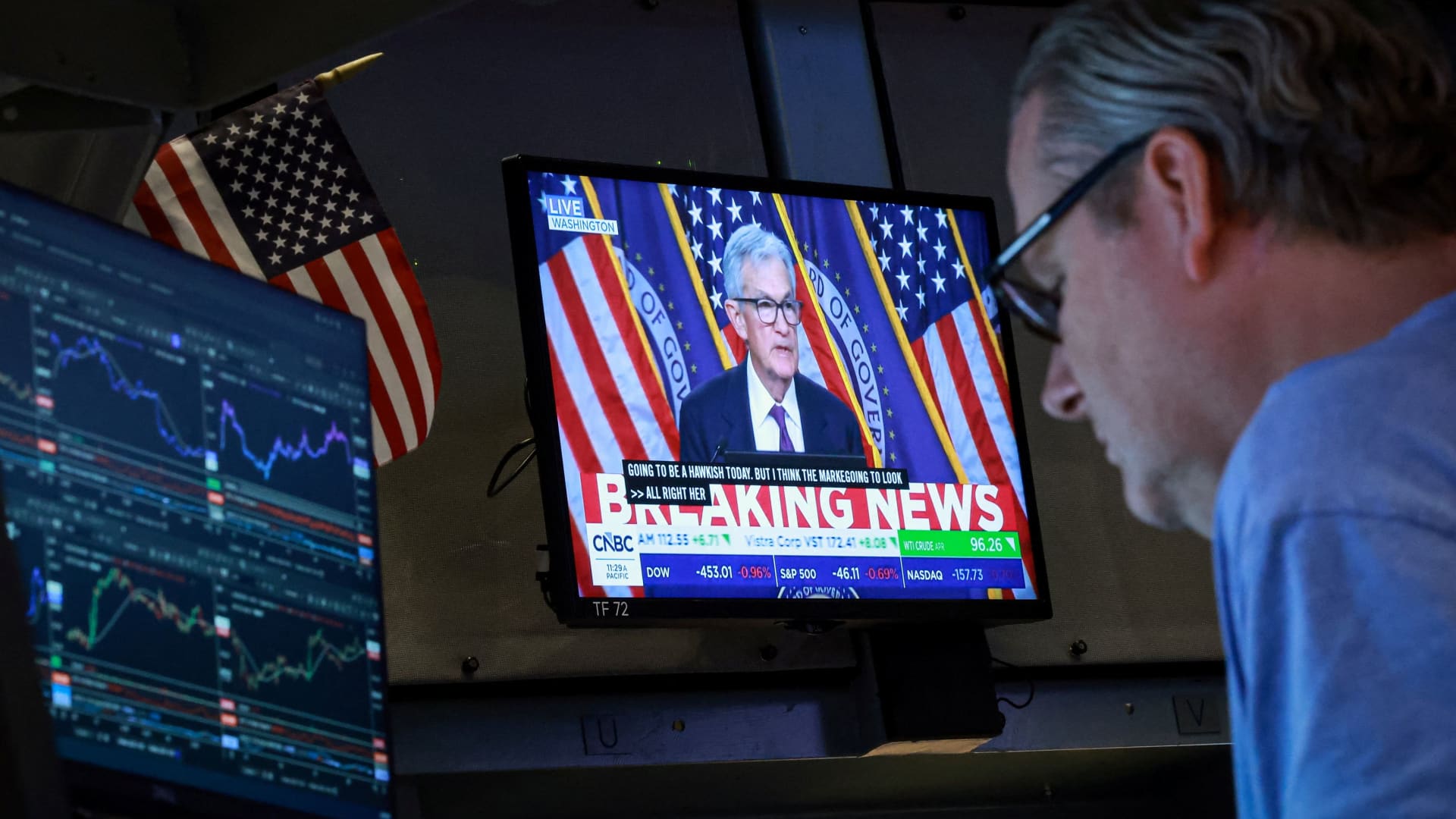
In a surprising turn of events, the chances of interest rate cuts in the United States have increased following the announcement of a ceasefire agreement between the US government and Iran. According to the CME Group's FedWatch tool, the probability of a rate cut has reached around 43%, reflecting a notable shift in market expectations.
Prior to this announcement, forecasts indicated that the chances of a rate cut were no more than 14%. With energy prices rising due to the Iranian conflict, it was believed that the Federal Reserve would be cautious in taking any steps towards lowering rates, as part of its efforts to control inflation aimed at reaching 2%.
Details of the Event
Data shows that the market expects interest rates to reach 3.5% by December, compared to the current level of 3.64%. This change in expectations reflects a decrease in concerns about the impact of the conflict on the US economy, as investors begin to reassess the situation following the ceasefire.
Krishna Guha, head of global policy strategy at Evercore ISI, states that the market is now leaning towards expecting at least one rate cut from the Federal Reserve this year. He notes that this new assessment may continue to evolve, as fears of inflation shocks that threatened market expectations recede.
Background & Context
Historically, relations between the United States and Iran have been tense, marked by numerous crises and conflicts. The recent conflict in the Middle East has led to a significant rise in energy prices, affecting the global economy. However, the ceasefire agreement may contribute to stabilizing financial markets and alleviating inflationary pressures.
In recent months, there has been increasing interest from markets in lowering interest rates as a means to support the US economy, which is experiencing a slowdown in the labor market. Expectations had pointed to the possibility of several rate cuts this year, but the Iranian conflict posed a barrier to that.
Impact & Consequences
If the ceasefire between the United States and Iran holds, it could pave the way for the Federal Reserve to lower interest rates. This could lead to enhanced economic growth in the United States, which would have positive effects on global financial markets.
Additionally, lowering interest rates could help stimulate investments and increase consumer spending, thereby boosting economic growth opportunities. However, there remains concern about the sustainability of peace in the region, as any new escalation could revert conditions back to what they were.
Regional Significance
The impact of this agreement on the Arab region could be significant, as stabilizing relations between the United States and Iran may help ease tensions in the Middle East. Arab countries that rely on stable oil prices would benefit from any price drop resulting from interest rate cuts.
Furthermore, improved economic conditions in the United States could lead to increased demand for oil and gas from Arab countries, bolstering their economies. Ultimately, there is hope that these developments will contribute to greater stability in the region.