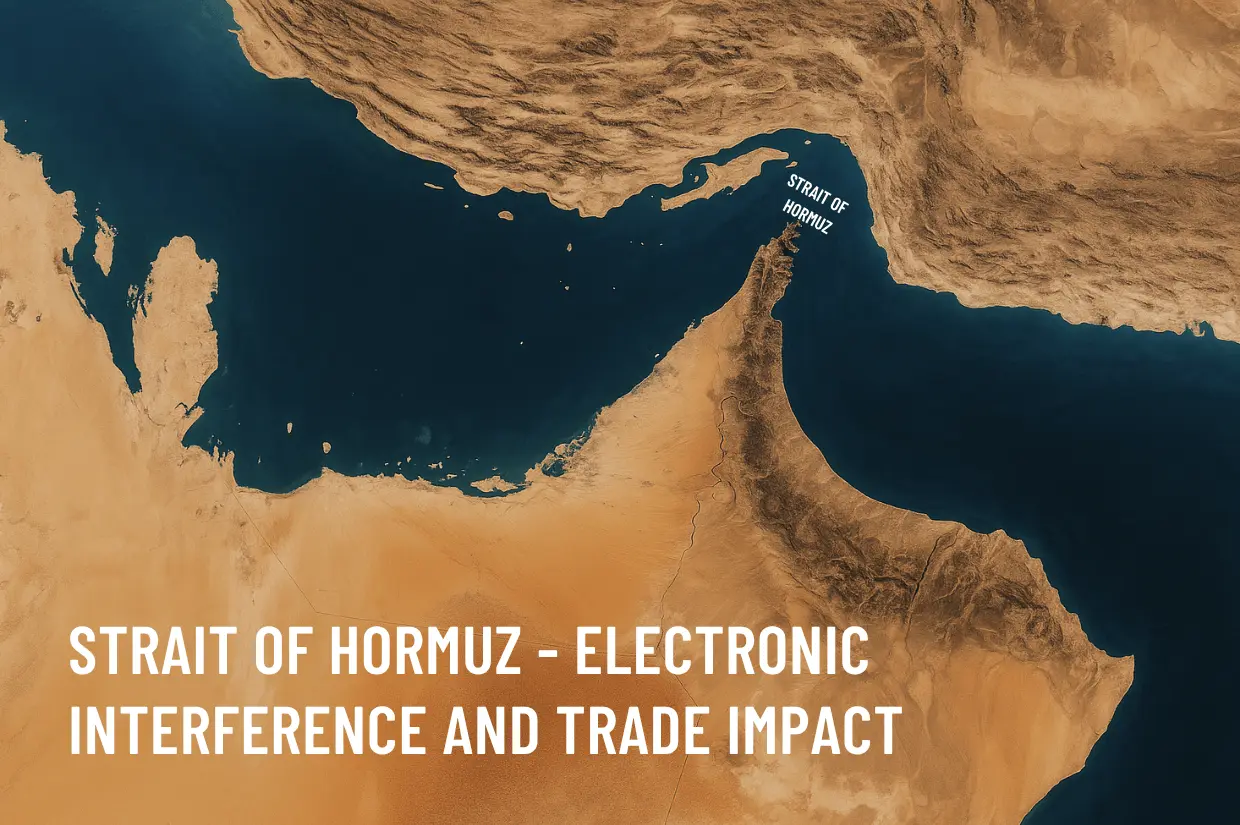
Economic expert Hassan Heikal anticipates the imposition of transit fees in the Strait of Hormuz, which could harm the interests of landlocked countries in the Gulf region. These predictions arise during a period of escalating political and economic tensions in the area, raising concerns about the future of trade and maritime transport.
The Strait of Hormuz, considered one of the most important waterways in the world, sees significant traffic of oil and natural gas, with approximately 20% of the world's total oil passing through it. Any changes in transit policies or the imposition of new fees could significantly impact energy prices and international trade.
Details of the Event
Heikal reported that the imposition of transit fees in the Strait of Hormuz could result from a combination of political and economic pressures, noting that this decision might be made as part of attempts by certain countries to boost their revenues. He also indicated that this move could lead to increased shipping costs, which would affect the prices of goods in global markets.
This expectation comes amid rising tensions between Iran and Western countries, as Iran views the Strait of Hormuz as a strategic point it could use to exert pressure on other nations. If transit fees are imposed, some countries may seek alternative routes for transporting their shipments, potentially leading to changes in global trade routes.
Background & Context
Historically, the Strait of Hormuz has witnessed numerous political crises that have affected navigation. In 2019, the region experienced heightened tensions following a series of attacks on oil tankers, leading to significant concern among oil-importing countries. Additionally, sanctions imposed on Iran have complicated the situation in the region.
Landlocked countries in the Gulf, such as Jordan and Iraq, are among the most affected by any changes in transit policies through the Strait of Hormuz, as they heavily rely on these routes for their exports and imports. Therefore, the imposition of transit fees could lead to increased transportation costs, negatively impacting the economies of these nations.
Impact & Consequences
If transit fees are imposed, we may witness an increase in oil and gas prices, which would affect the global economy. Energy-importing countries may have to pay higher prices, potentially leading to inflation in many nations. Furthermore, oil-producing countries might find themselves in a difficult position, as these fees could impact their competitiveness in the global market.
Moreover, the imposition of transit fees could lead to changes in maritime transport policies, as companies may look for alternative routes to avoid the fees. This could result in increased traffic through other routes, affecting global trade flows overall.
Regional Significance
Arab countries, especially those reliant on oil exports, are expected to be significantly impacted by the anticipated imposition of transit fees in the Strait of Hormuz. Any increase in transportation costs could lead to a decline in government revenues, which may affect economic development plans in these countries.
Additionally, the rising tensions in the region could lead to increased instability, affecting foreign investments and raising business risks. Therefore, Arab countries need to take proactive steps to address these potential challenges.
In conclusion, the potential imposition of transit fees in the Strait of Hormuz remains a matter that requires close monitoring, as its repercussions could extend beyond the region, impacting the global economy as a whole.