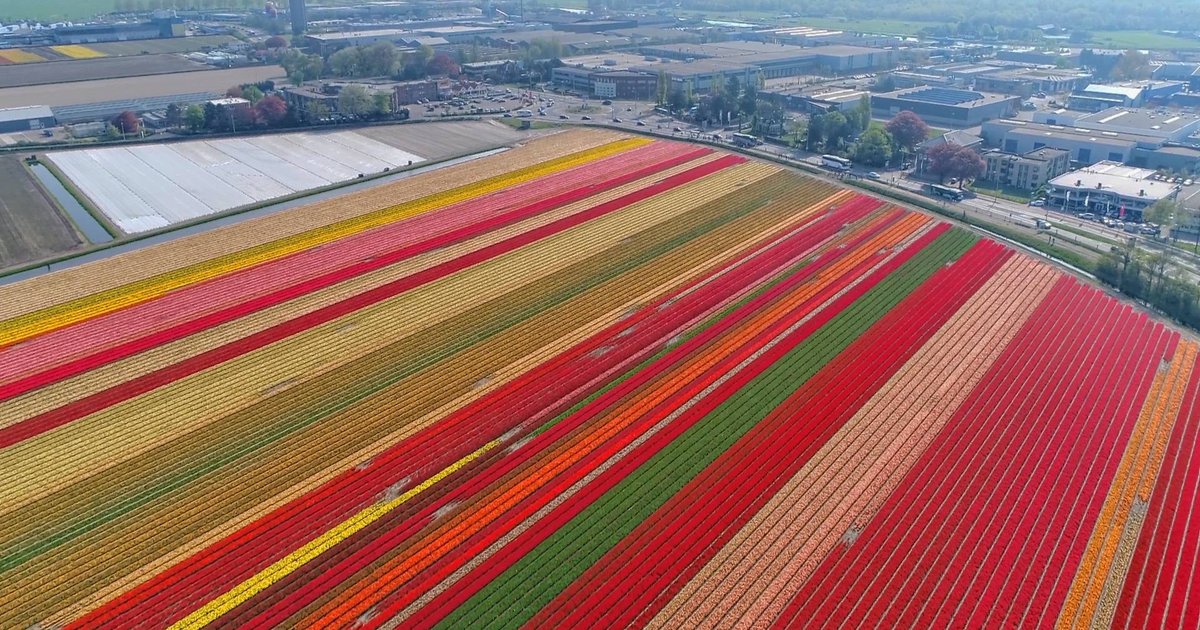
Keukenhof in Holland welcomes visitors from around the world as the stunning tulips bloom, marking one of the country's top tourist attractions. This annual event takes place in spring and draws nature and art lovers alike.
The tulip bloom at Keukenhof, also known as the 'Garden of Europe,' is a unique event showcasing over seven million flowers of various types and colors. This year, the park has seen a significant increase in visitor numbers, reflecting people's passion for nature and its beauty.
Event Details
Keukenhof is considered one of the largest flower gardens in the world, spanning 79 acres. The tulip flower show is held annually, typically from mid-March to mid-May. This year, the garden opened on March 23, with tulips blooming earlier than usual due to favorable weather conditions.
The garden features beautiful walking paths and stunning landscapes, making it an ideal destination for families and friends. In addition to the tulips, visitors can enjoy a variety of cultural and artistic activities, including art exhibitions and musical performances.
Background & Context
Established in 1949, Keukenhof aims to promote the cultivation of flowers and plants in the Netherlands. The country is one of the largest producers of tulips globally, with millions of bulbs planted each year. The history of tulip cultivation in the Netherlands dates back to the 16th century, and it has become a cultural symbol of the nation.
Tulips are an integral part of Dutch heritage, used in many occasions and celebrations. The garden also contributes to boosting tourism in the Netherlands, positively impacting the local economy.
Impact & Consequences
The tulip bloom at Keukenhof is not just a tourist event; it has significant economic and social impacts. The event attracts tourists from around the globe, enhancing economic activity in the region. It also provides an opportunity for local farmers to showcase their products and flowers.
Moreover, this event raises environmental awareness and encourages sustainable farming. By presenting a variety of flowers and plants, visitors can learn about the importance of preserving nature and the environment.
Regional Significance
The Keukenhof event can have positive effects on tourism in Arab countries, as such events can enhance cultural exchange and experiences. This event could inspire Arab nations to develop similar gardens that highlight the biodiversity of the region.
In conclusion, the tulip bloom at Keukenhof is a remarkable event that attracts visitors from around the world, reflecting the beauty of nature and the importance of preserving it. This event demonstrates how nature can bring people together and enhance cultural understanding.