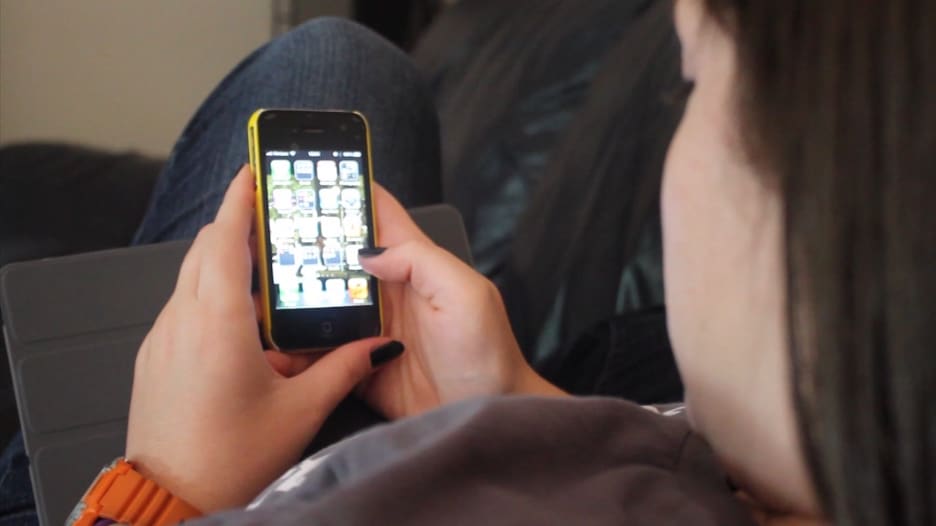
The UK government has initiated a new experiment aimed at banning social media and imposing digital restrictions on 300 teenagers across the country. The experiment includes completely disabling social media apps, banning them overnight, or limiting their use to just one hour per day. Participants' experiences will be compared with another group of teenagers who will not face any changes, allowing for an assessment of the impact of these restrictions on their daily lives.
This experiment is part of an ongoing government consultation regarding the possibility of banning access to various social media sites for children under the age of 16, similar to measures taken in Australia. Technology Secretary Liz Kendall stated that the purpose of this experiment is to 'test different options in the real world,' emphasizing the importance of obtaining evidence based on the experiences of families themselves.
Details of the Experiment
The experiment will take place in the homes of 300 teenagers from various parts of the UK, with participants divided into four groups. Three groups will experience different types of restrictions, while the fourth group will serve as a control group. The group facing a complete ban on the most popular apps aims to simulate what a social media ban might look like.
Meanwhile, the other two groups will undergo more limited restrictions, either by having their app usage capped at one hour per day or by banning access between 9 PM and 7 AM. Participants will be asked about the impact of these restrictions on their family life, sleep, academic performance, and the practical challenges they face, such as setting up parental controls or ways teenagers might find to circumvent these restrictions.
Background & Context
This initiative comes at a time when concerns are rising regarding the impact of social media on teenagers' mental health. Previous studies have shown that excessive use of these platforms can lead to increased levels of anxiety and depression among youth. There are also growing calls from some experts and charitable groups for stricter measures to protect children from harmful content.
Through this experiment, the UK government aims to gather reliable data on how reducing social media use affects teenagers, particularly in areas such as sleep, anxiety levels, social interactions, school absenteeism, and bullying.
Impact & Consequences
This initiative has garnered broad political support, with other countries like France, Spain, and Indonesia considering similar steps. However, some experts warn that such restrictions may be easily circumvented or could push children into darker corners of the internet. Conversely, some advocate for improving the safety of technological platforms rather than imposing a blanket ban.
Rani Govindar, an official at the NSPCC, highlighted the importance of the government being prepared to take 'decisive action' after the experiment concludes, including ensuring that tech companies build effective safety measures into every device, platform, and AI tool, so that children are not exposed to harmful or illegal content.
Regional Significance
In the Arab region, concerns are increasing regarding the impact of social media on youth, as many are exposed to inappropriate or harmful content. The UK's experiment could serve as a model for Arab countries seeking effective ways to protect their children from digital dangers. Additionally, the discussion around banning social media for children may open new avenues for dialogue on how to balance freedom of expression with child protection.
In conclusion, the UK government's experiment represents an important step toward understanding the impact of social media on teenagers and may contribute to shaping new policies for protecting youth worldwide.