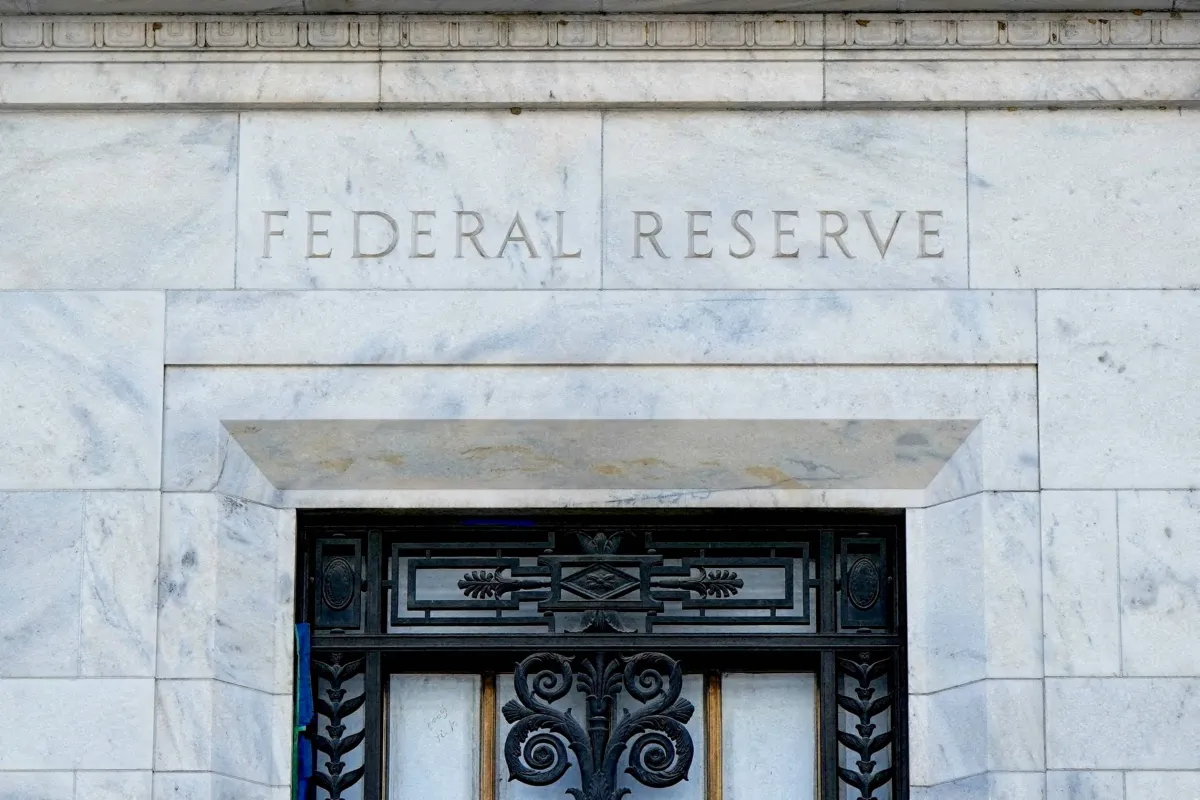
Asset management giants around the world have warned that the U.S. Federal Reserve may be forced to raise interest rates instead of lowering them, as the repercussions of the war in Iran continue to create a global energy shock and threaten to push inflation out of control.
In strong statements made on the sidelines of the Milken Institute conference in California, Dan Ivascyn, Chief Investment Officer at PIMCO, which manages assets worth $2.3 trillion, emphasized that the sharp rise in energy prices due to the closure of the Strait of Hormuz has created new challenges that hinder achieving the 2% inflation target.
Details of the Event
Ivascyn explained that markets should expect measured responses, and possibly even additional tightening of monetary policy if necessary. He added, "While tightening seems more evident in Europe and the UK, I do not completely rule it out for the United States as well," noting that lowering rates amid inflation uncertainty could lead to counterproductive results that raise long-term yields.
Meanwhile, Jenny Johnson, CEO of Franklin Templeton, which manages assets worth $1.7 trillion, joined the warning front, asserting that inflation will be "extremely difficult to control," making rate cuts unlikely in the near term.
Background & Context
This debate comes amid an unprecedented divide within the Federal Reserve; despite holding rates steady at the last meeting, the bank recorded the largest number of dissenters among policymakers since 1992. Data indicates that inflation in personal consumption expenditures, the Fed's preferred measure, hit 3.5% in March, the highest level in three years, putting the central bank on high alert.
Despite repeated pressure from former President Donald Trump to lower rates, markets are also watching for Jerome Powell's final day in office on May 15. Kevin Warsh is expected to be appointed, and Ivascyn anticipates that he will seek to narrow the Fed's operations and reduce its intensive media communication.
Impact & Consequences
Concerns are growing that any increase in interest rates could negatively affect economic growth, especially amid global turmoil. This could also lead to higher borrowing costs, impacting investments and consumption in the United States.
At the same time, these policies could exacerbate economic conditions in developing countries that heavily rely on foreign investments. Therefore, any changes in U.S. monetary policy could have far-reaching effects on global markets.
Regional Significance
The implications of a U.S. rate hike are particularly significant for Arab countries, which face multiple economic challenges. Rising interest rates could lead to increased borrowing costs, affecting developmental projects and investments in the region.
Moreover, the surge in energy prices due to the situation in Iran could impact the economies of oil-producing Arab nations, further complicating the economic landscape in the region.
In conclusion, it appears that global economic challenges are intensifying, necessitating proactive measures from decision-makers in Arab countries to address these challenges.