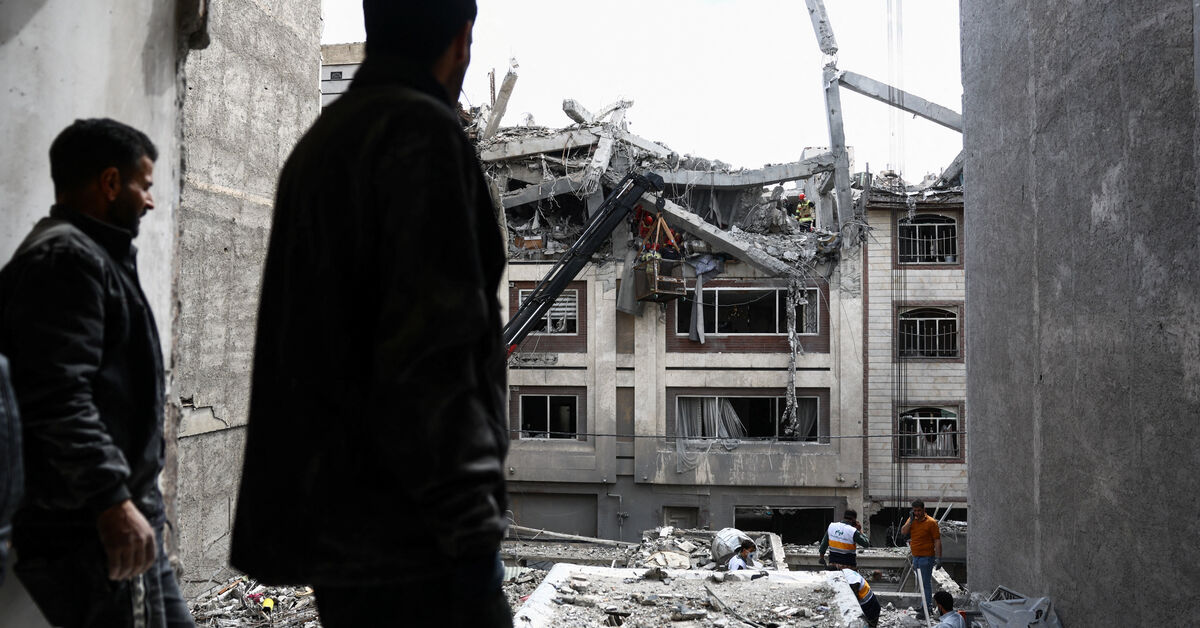
In a significant development, dozens of international law experts in the United States have signed an open letter warning that potential American strikes on Iran may be considered war crimes. This warning comes after President Donald Trump renewed his threats to strike Iranian facilities, including power plants and desalination plants.
During a televised speech on Wednesday, Trump asserted that war could escalate if Iran does not comply with Washington's demands, indicating the possibility of targeting Iran's energy and oil infrastructure. These statements have raised considerable concern among legal and political circles, as many experts believe that such strikes could violate international laws that protect civilians and essential infrastructure.
Details of the Event
These statements come at a sensitive time, as tensions between the United States and Iran are escalating. Legal experts have pointed out that targeting civilian facilities, such as power and desalination plants, could be considered a blatant violation of international humanitarian law. More than 50 international law experts have signed the open letter, reflecting the growing concern about potential military escalation.
Trump, who has previously set changing timelines and targets for military action, appears determined to take a hardline stance against Iran, increasing fears that these policies could lead to greater military escalation in the region.
Background & Context
Historically, U.S.-Iranian relations have experienced increasing tensions since the Islamic Revolution in 1979. Since then, the United States has imposed strict economic sanctions on Iran, exacerbating the country's economic situation. In recent years, these tensions have escalated further, particularly after the U.S. withdrawal from the Iranian nuclear deal in 2018.
Military and economic pressures are part of Washington's strategy to curb Iran's influence in the region, but this strategy faces widespread criticism from many experts and analysts who believe it could lead to counterproductive outcomes.
Impact & Consequences
If the United States follows through on its threats, the consequences could be dire for regional stability. Military strikes could provoke violent reactions from Iran and its allies in the region, potentially dragging the area into a broader conflict. Additionally, these actions could exacerbate humanitarian crises in Iran, where many communities rely on civilian infrastructure.
Moreover, these actions could affect U.S. relations with its allies in the region, who may feel uneasy about escalating the conflict. This could lead to increased tensions between the United States and European countries that are seeking to maintain the nuclear agreement with Iran.
Regional Significance
Neighboring Arab countries, such as Iraq and Syria, find themselves in a highly sensitive position. Any military escalation could directly impact their security and stability. Furthermore, these events could lead to increased sectarian tensions in the region, as extremist groups may exploit these situations to achieve their objectives.
In conclusion, the situation in the region remains volatile, with rising fears of military escalation that could drag the area into new conflicts. The international community must intervene to prevent such scenarios from occurring and work towards diplomatic solutions that enhance stability and peace in the region.