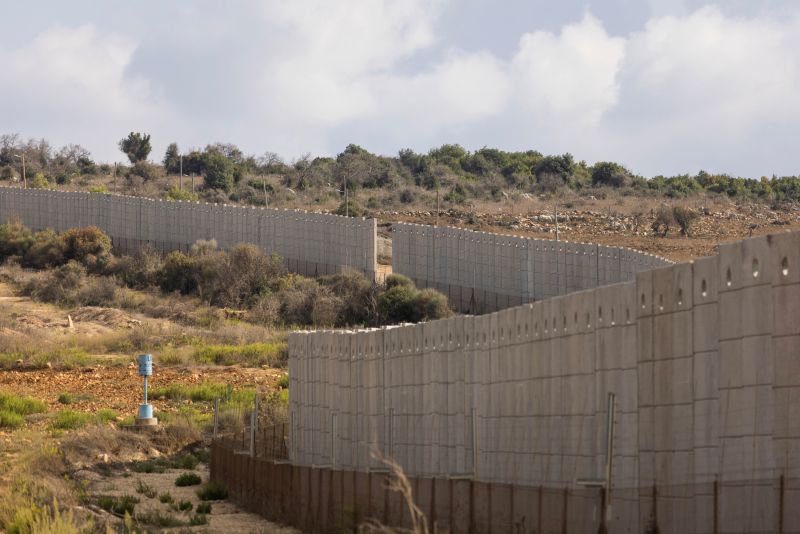
The Israeli entity has detonated dozens of homes in southern Lebanon, in an escalatory move that raises concerns in the region. These operations are part of a plan aimed at creating a buffer zone similar to that in Gaza, which intensifies tensions between the two sides.
The military actions undertaken by the Israeli entity in southern Lebanon are part of a broader context of ongoing conflict, where the entity seeks to enhance its security through harsh military measures, provoking strong reactions from the Lebanese government and the international community.
Details of the Incident
According to local sources, homes were detonated in areas close to the border, leading to the displacement of many families. These operations come at a sensitive time, as fears of a broader escalation that could lead to a new armed conflict in the region are increasing.
The Israeli plan includes establishing a buffer zone along the border, reflecting the entity's strategy in facing potential security threats. This has sparked angry reactions from local residents, who view these measures as arbitrary and exacerbating the humanitarian situation in the region.
Background & Context
Historically, the Lebanese-Israeli border has witnessed ongoing tensions, with the area being the stage for several conflicts. Since the July 2006 war, military operations from both sides have not ceased, worsening the humanitarian conditions in southern Lebanon.
This step is considered part of the Israeli entity's policy aimed at strengthening control over border areas, which contradicts peace and stability efforts in the region. Additionally, these operations come at a sensitive time, as international pressure on the entity to cease hostilities is increasing.
Impact & Consequences
These military operations raise fears of a broader escalation that could lead to a new armed conflict between the Lebanese entity and the Israeli entity. The detonation of homes and the displacement of residents contribute to worsening humanitarian conditions, increasing civilian suffering.
Concerns are growing that these steps may provoke violent reactions from Lebanese factions, potentially dragging the region into a new cycle of violence. Furthermore, these events could affect relations between Lebanon and neighboring countries, especially amid rising regional tensions.
Regional Significance
The events in southern Lebanon are part of a broader conflict in the region, contributing to escalating tensions between Arabs and the Israeli entity. These operations reflect the ongoing challenges faced by Arab countries in confronting aggressive Israeli policies.
These conditions require an urgent international response, as continued escalation could lead to negative repercussions on security and stability throughout the region. It is crucial that international efforts are combined to halt these military actions and protect civilians.
The detonation of homes in southern Lebanon and the plan to establish a buffer zone reflect a serious escalation in the conflict, necessitating urgent action from the international community to stop these actions and protect civilians.