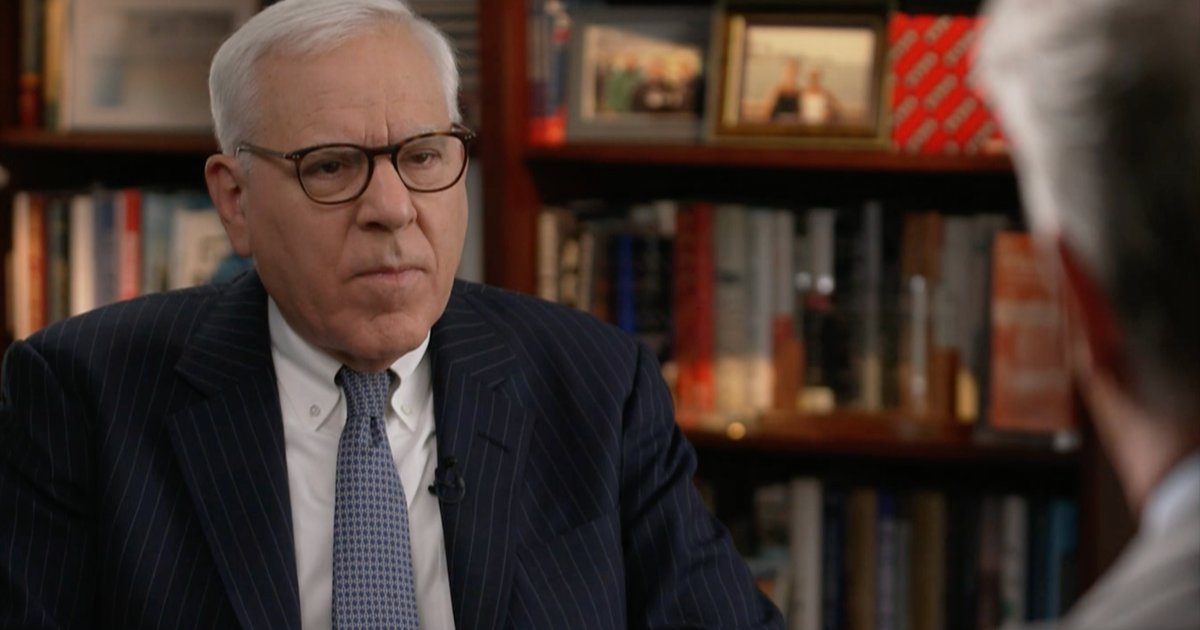
In a new episode of 'David Rubenstein: Peer to Peer Conversations', renowned American artist Jeff Koons shared his unique vision of art, highlighting his inspiration from popular culture and everyday objects. This interview was recorded on February 2nd in New York, where Koons discussed his artistic journey and notable works such as Balloon Dog, Puppy, and Play-Doh.
During the conversation, Koons emphasized the importance of making art accessible to everyone, pointing out the necessity of transcending elitism in art to reach all segments of society. He believes this approach reflects his personal view on the impact of art in individuals' lives.
Insights into Koons' Artistic Journey
Koons spoke about his beginnings in the art world, where he started his career at the Museum of Modern Art (MoMA), working in the membership department. He also mentioned his experience as a broker on Wall Street, where he acquired business skills that helped him better understand the art market. This diversity of experiences contributed to shaping his unique artistic vision.
As one of the leading contemporary artists, Koons focuses on exploring the relationship between art and popular culture. Through his use of bold shapes and colors, he aims to capture the audience's attention and stimulate them to think about the meaning of art and its role in society.
Background & Context
Jeff Koons is considered one of the most prominent names in contemporary art, associated with many controversial works that address consumer culture. Since the 1980s, Koons has excelled in creating artworks that challenge traditional artistic norms, making him a focal point for critics and audiences alike.
Historically, the 1980s and 1990s witnessed a significant rise in contemporary art, as artists began exploring new themes related to identity and culture. Koons is part of this transformation, with his works contributing to redefining the concept of art in the modern era.
Impact & Consequences
Koons' influence extends beyond the confines of art, reflecting his commitment to making art more inclusive. This opens up opportunities for other artists to explore new ideas and challenge traditional concepts. Through his works, Koons encourages dialogue about art and its role in society, enhancing the importance of art as a means of expression and communication.
Moreover, Koons' vision of the importance of access to art reflects broader social and cultural shifts, as artists today strive to make their works more relatable to the public, mirroring changes in how art is consumed and interacts with daily life.
Regional Significance
Koons' work resonates on a global scale, influencing not only the art community but also the general public's perception of art. His approach encourages a more democratic view of art, where everyone can engage with and appreciate artistic expressions, regardless of their background.
In conclusion, this interview sheds light on the significance of art as a means of communication and expression, highlighting the role of artists in making art accessible to everyone.