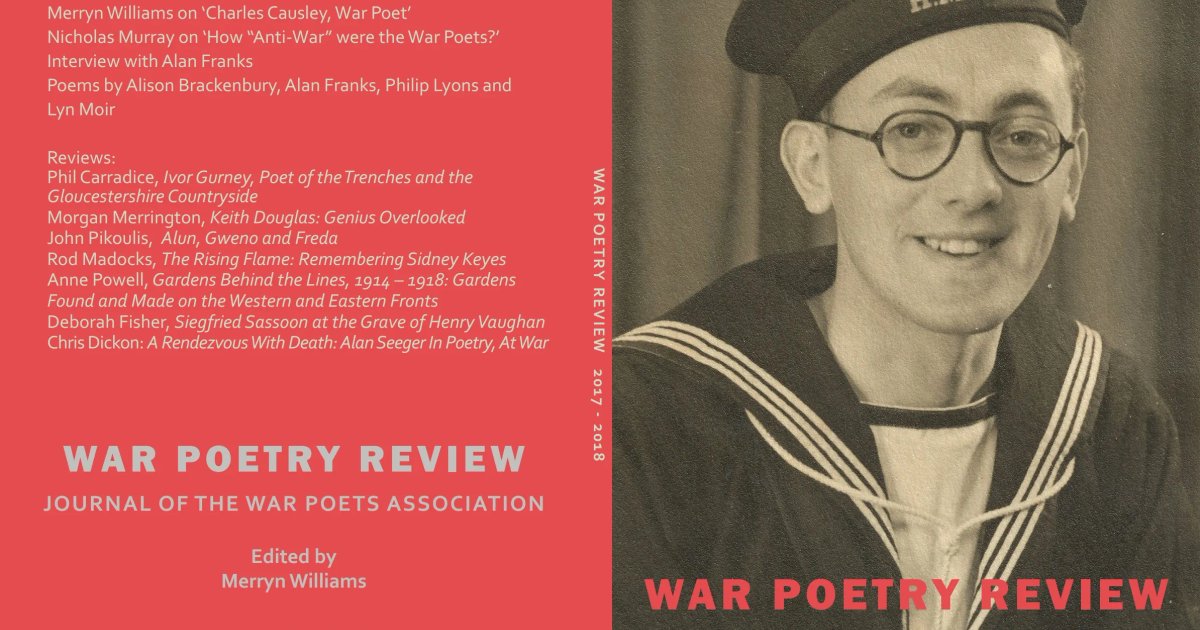
In light of the ongoing crises and wars sweeping through the region, we posed a question to a group of artists and poets regarding the impact of these conditions on their creativity. These individuals affirmed that wars, despite their brutality, highlight the importance of art as a means of expressing suffering and hope, as artists view their creations as a testament to human resilience in the face of challenges.
Opinions vary on how wars affect artistic creativity, with some believing that these crises stimulate artists to produce works that reflect the harsh reality, while others argue that the psychological pressures resulting from wars may hinder creativity. Nevertheless, all agree that art remains a means of expressing pain and hope simultaneously.
Event Details
In discussions with several artists and poets, they pointed out that the wars ravaging the region are not merely military conflicts but manifestations of deep humanitarian crises. They emphasized that these crises require artists to be more creative in expressing their feelings and those of their communities. They also noted that art can serve as a tool for change, contributing to raising awareness about important issues.
One poet stated, "Creativity in times of war is like a cry against injustice, an expression of hope for a better tomorrow. We need to be the voice for those who have no voice." Meanwhile, a visual artist confirmed that her works reflect the pain felt by people under these circumstances, and she hopes to contribute to positive change.
Background & Context
Historically, art has played a prominent role in documenting major events, particularly wars. Artists and poets have used their works as a means to document human suffering and to shed light on social and political issues. In many cultures, art has been intertwined with wars, serving as a means to express resistance and hope.
In the Arab world, we have witnessed numerous wars and conflicts that have significantly impacted the artistic landscape. From the Lebanese civil war to the conflicts in Syria and Iraq, art has played a crucial role in documenting these events, with artists contributing to conveying the suffering and dreams of people through their works.
Impact & Consequences
Wars significantly affect artistic production, leading to changes in themes and styles used. Many artists tend to use symbolism and abstraction to express their feelings, while others choose more realistic styles to document events. These changes reflect the challenges artists face under difficult circumstances.
The impact of wars also extends to the audience, as artworks can influence people's feelings and attitudes. Art can serve as a means of solidarity and communication among individuals during crises, strengthening social bonds and encouraging dialogue.
Regional Significance
The Arab region is among the most affected by wars and conflicts, placing art in a sensitive position. Under these circumstances, the role of art emerges as a means of expressing identity and culture, with artists striving to preserve cultural heritage in the face of challenges.
Art can be a tool for social change, contributing to raising awareness of social and political issues. In this context, artists and poets see themselves as part of a larger movement striving for peace and justice.
In conclusion, art and poetry remain among the most prominent means of expressing suffering and hope in times of war. Despite the challenges, artists remain determined to use their creativity as a means of change and to connect with society.