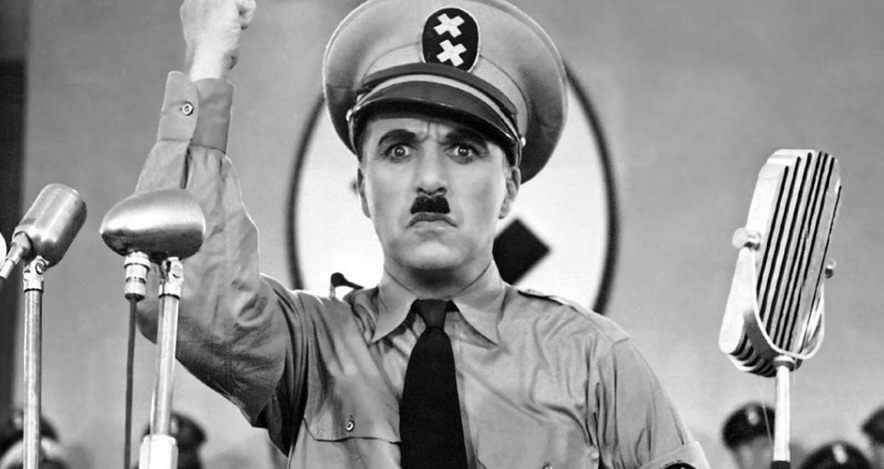
Charlie Chaplin's film 'The Great Dictator' is one of the most prominent cinematic works that tackled issues of war and dictatorship. Released in 1940, at a time when World War II was just beginning, it offers a distinctive artistic vision of that era. The film runs for about two hours, blending comedy and drama, making it a unique experience.
The plot revolves around a Jewish barber who resembles the dictator Hitler, as he strives to deliver a powerful humanitarian message in the face of oppression and tyranny. Through his unique style, Chaplin was able to highlight important social and political issues, which has given the film a special place in cinema history.
Film Premiere and Reception
'The Great Dictator' premiered in the United States on October 15, 1940, and received widespread acclaim from both critics and audiences alike. Chaplin employed sharp satire in the film to shed light on fascism and dictatorship, making it one of the first films to address these issues directly.
The film features iconic scenes, such as the dictator's speech, which ironically reflects the political propaganda methods used during that time. It is also distinguished by its score, which added an additional dimension to the cinematic experience, allowing the audience to engage more deeply with the events.
Background & Context
The film was released at a time when the world was witnessing rising political tensions, as World War II had already begun following the invasion of Poland in September 1939. Dictatorships in Europe, particularly in Germany and Italy, were gaining strength, making it essential to address these issues in artistic works.
Charlie Chaplin, known for his comedic style, used this platform to speak on issues larger than mere comedy, as he aimed to convey a message to people about the importance of freedom and justice. This message was particularly significant at that time, as many were suffering from the harshness of dictatorial regimes.
Impact & Consequences
'The Great Dictator' had a significant impact on cinema and the arts in general. It was not just an entertaining film but became a symbol of resistance against oppression and tyranny. Many artists and directors have referenced this film in their works, contributing to the formation of public awareness regarding human rights issues.
The film also helped to enhance the role of cinema as a means of expressing political and social opinions. Chaplin became a symbol of freedom, and his works influenced many subsequent generations of artists.
Regional Significance
Although the film was produced in a different historical context, its message still resonates in the Arab world today. Many Arab countries have experienced periods of oppression and dictatorship, making it vital to address these issues in the arts and culture.
'The Great Dictator' can be seen as a call to reflect on the importance of freedom and justice, aligning with the aspirations of Arab peoples towards democracy and human rights. The film reminds us that art can be a powerful tool for social and political change.
In conclusion, Charlie Chaplin's 'The Great Dictator' remains a timeless artistic work that embodies the spirit of resistance against injustice and reflects the importance of art in expressing humanitarian issues.