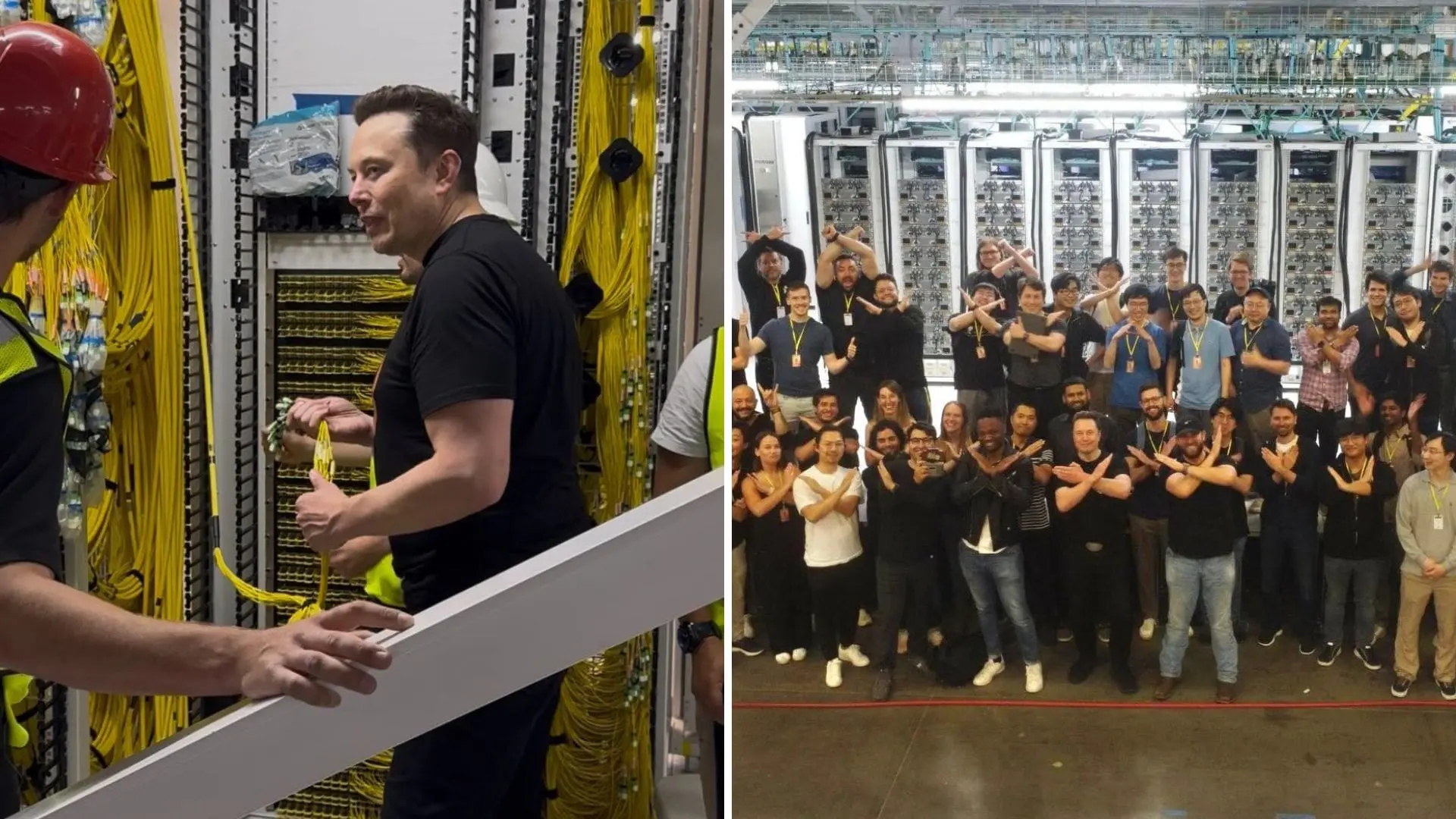
In a recent episode of the TechCrunch Equity podcast, the spotlight was on Elon Musk's vision for establishing data centers in space. This concept emerges at a time when the demand for data storage and processing is surging, opening new horizons for the space industry.
Musk's vision includes utilizing space as a platform for data storage, which could help reduce costs and increase efficiency. The discussion surrounding this idea raises questions about its economic viability and its impact on the valuation of SpaceX, which is striving for massive market valuations.
Event Details
Podcast participants noted that the idea of orbital data centers is not new, but it is gaining momentum with technological advancements. These centers could provide an ideal environment for data storage, away from terrestrial threats such as natural disasters or cyberattacks.
The challenges associated with developing these centers were also addressed, including the high costs of launching equipment into space and the need for robust infrastructure to ensure operational continuity. However, the potential benefits may outweigh these challenges.
Background & Context
Historically, the space industry has witnessed significant developments in recent years, with increased investments from private companies and governments. SpaceX, founded by Musk in 2002, has become a leader in this field, providing rocket launch services and developing new technologies.
The importance of data in the digital age makes the idea of creating data centers in space more appealing than ever. Given the challenges faced by traditional data centers, such as rising energy demands and environmental issues, this concept may offer an innovative solution.
Impact & Consequences
If the idea of orbital data centers succeeds, it could lead to significant changes in how data is stored and processed. It could contribute to improved security and reduced costs, making it an attractive option for large corporations.
Furthermore, this could increase demand for SpaceX's services, enhancing its market value. Simultaneously, it could open the field for new companies to enter the space market, increasing competition and innovation.
Regional Significance
In light of the global trend towards space, Arab countries could benefit from these developments. Investing in space technologies and orbital data centers could help boost the digital economy in the region.
These opportunities could also pave the way for collaboration between Arab nations and global companies, enhancing the region's standing in the space industry.
The concept of orbital data centers represents a bold step towards a new future in the data world. As discussions about its feasibility continue, it remains to be seen how this vision will impact the space and technology industries in the coming years.