Culinary tourism, or 'flavor exploration', is witnessing a significant increase in traveler interest, with food becoming a crucial factor in travel decisions. Reports indicate that 20% of travelers prioritize food experiences when planning their trips, while approximately 50% book restaurants before confirming their flights, reflecting a major shift in modern travel concepts.
The Turkish city of Izmir stands out as a premier destination that has redefined travel experiences through taste. Located on the Aegean coast, this city offers traditional dishes that reflect its cultural diversity and the richness of its local products, ranging from wild herbs to the finest global culinary experiences.
Event Details
Izmir is renowned for its botanical wealth, where local herbs and vegetables are an essential part of its culinary identity. The city’s dishes rely on ingredients such as wild asparagus, mallow, and nettles, along with 'cibez', prepared with the region's famous olive oil. These dishes are served as appetizers that blend simplicity with depth of flavor.
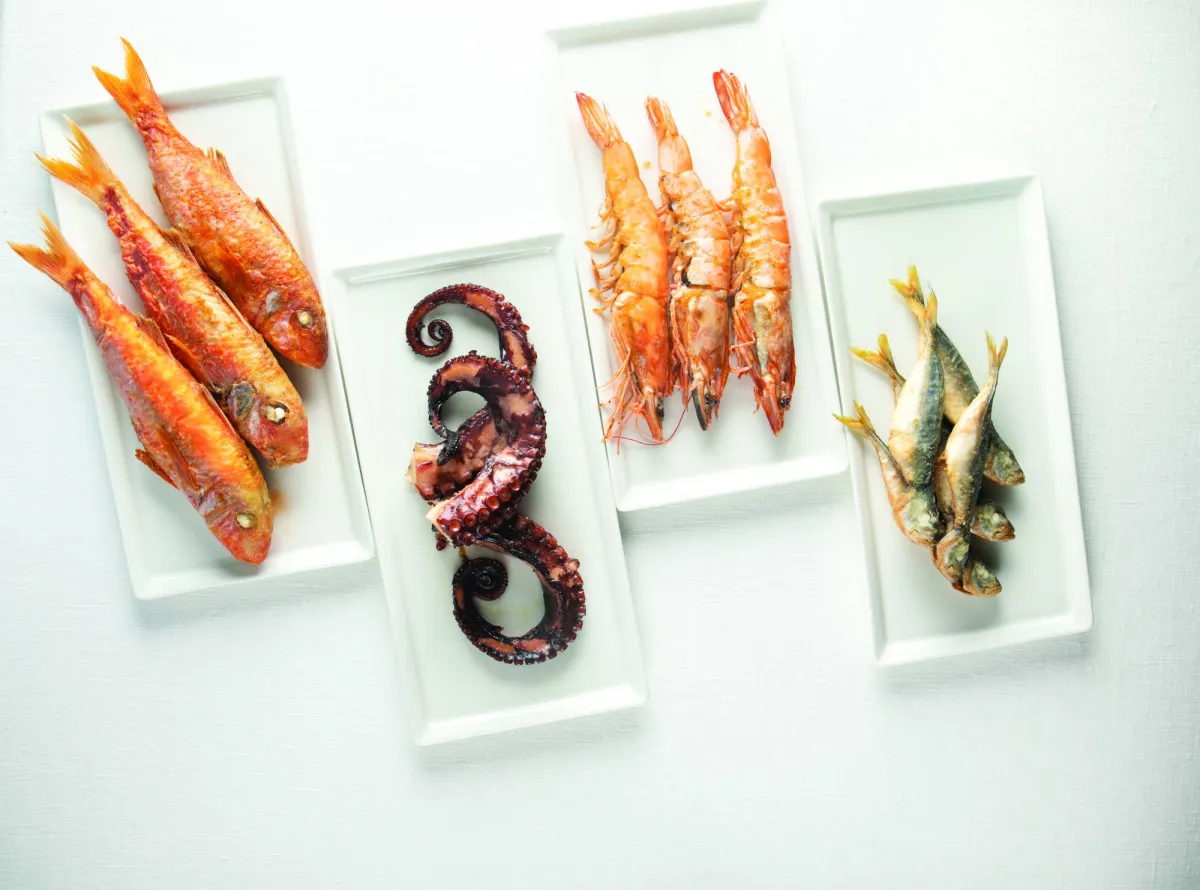
These dishes are complemented by fresh seafood from the Aegean Sea, such as shrimp and octopus, reflecting the spirit of the Turkish coast. Dishes like stuffed zucchini flowers and artichokes with olive oil stand out as symbols of the local cuisine. During spring, the city transforms into a celebration of flavors through seasonal festivals, such as the Alacati Herb Festival and the Urla Artichoke Festival, where culture and cooking merge in a vibrant atmosphere.
Background & Context
Urla, a coastal town near Izmir, is an unmissable stop for food enthusiasts. This town has become a center for high-end culinary experiences based on the 'farm-to-table' concept, where fresh local ingredients are used to prepare innovative dishes. Chefs in the region have successfully reintroduced traditional recipes with a modern twist, earning them global recognition and a presence in the 'Michelin Guide'.
These experiences allow visitors to taste distinctive dishes that combine authenticity and creativity. Urla also features a unique vineyard trail, where visitors can stroll through orchards and sample local products, some of which have been revived after being at risk of extinction.
Impact & Consequences
Apart from upscale restaurants, Izmir retains its true charm in its streets. Street food here is not just fast meals but a complete cultural experience. From the traditional breakfast that includes 'boyoz', 'gevrek', and 'peynirli', to the famous 'kumru' sandwich, the city offers rich options that cater to various tastes. Desserts are also prominent, with 'şambali' and fried dough balls being popular snacks.
The dining experience in Izmir is an integral part of local culture, where flavors and traditions are reflected in every dish. This trend towards flavor exploration demonstrates travelers' desire to immerse themselves in different cultures, enhancing the importance of food tourism as part of the overall travel experience.
Regional Significance
The 'flavor exploration' experience presents an opportunity to boost tourism in Arab countries, where ideas can be drawn from cities like Izmir. Arab nations can leverage their local food wealth and present it innovatively to attract tourists. Enhancing food tourism can contribute to supporting the local economy and opening new avenues for cultural exchange.
In conclusion, the increasing interest of travelers in food experiences signifies a transformation in the concept of travel, where food has become an essential part of the tourist experience. Flavor exploration goes beyond tasting dishes; it also involves understanding the cultures and traditions behind them.