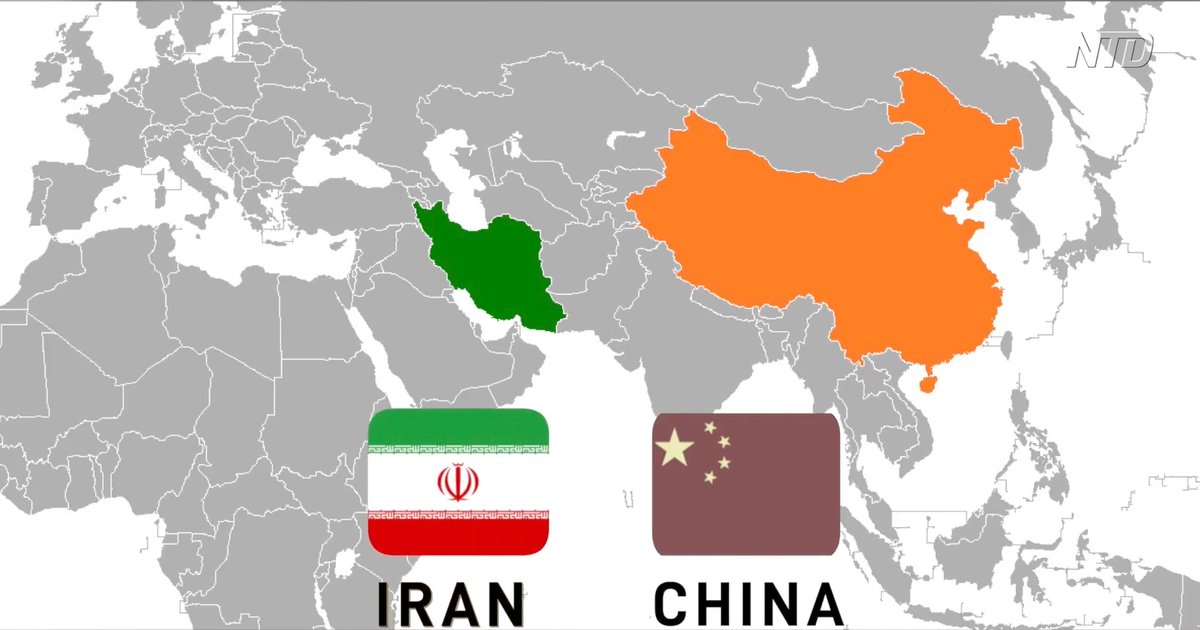
The growing alliance between China and Iran is capturing attention as it extends beyond mere oil cooperation. This partnership reflects significant shifts in regional and international power dynamics.
Amid rising tensions in the Middle East, the relationship between Beijing and Tehran emerges as one of the most notable geopolitical developments. China seeks to enhance its influence in the region, while Iran looks for external support to counter Western pressures.
Details of the Alliance
China and Iran have announced new agreements to bolster economic and military cooperation, covering multiple areas such as energy, trade, and infrastructure. In this context, Iran is one of the leading oil suppliers to China, making this collaboration strategically important for both nations.
Agreements have also been signed concerning the development of infrastructure projects in Iran, reflecting China's commitment to supporting the Iranian economy amid imposed sanctions. These steps come at a sensitive time, as Iran aims to strengthen its defensive capabilities in the face of regional threats.
Background & Context
Historically, the relationship between China and Iran has been characterized by limited cooperation; however, recent political and economic events have strengthened this partnership. U.S. sanctions on Iran have pushed Tehran to seek new partners, making China the optimal choice.
On the other hand, China aims to secure the energy sources necessary for its rapidly growing economy, which increasingly relies on Iranian oil. This collaboration also reflects China's broader strategy to enhance its influence in the Middle East.
Impact & Consequences
This alliance could lead to radical changes in the balance of power in the region. It may complicate relations between Western nations and Iran and could escalate tensions in the area. Additionally, the strengthening of military cooperation between Beijing and Tehran may alter the nature of regional conflicts.
Moreover, this collaboration could encourage other countries in the region to seek new alliances, potentially leading to a reshaping of traditional alliances in the Middle East.
Regional Significance
The China-Iran relationship has a direct impact on Arab countries, as it may lead to changes in these nations' policies towards Iran. The enhancement of Chinese influence in the region could also alter Arab states' strategies in dealing with major powers.
At the same time, this alliance may foster cooperation between Arab countries and China, especially in the fields of economy and trade, opening new avenues for regional collaboration.
In conclusion, the growing alliance between China and Iran represents a strategic shift in the balance of power in the Middle East. As these dynamics continue, it will be crucial to monitor the developments of these relationships and their impact on the region and the world.