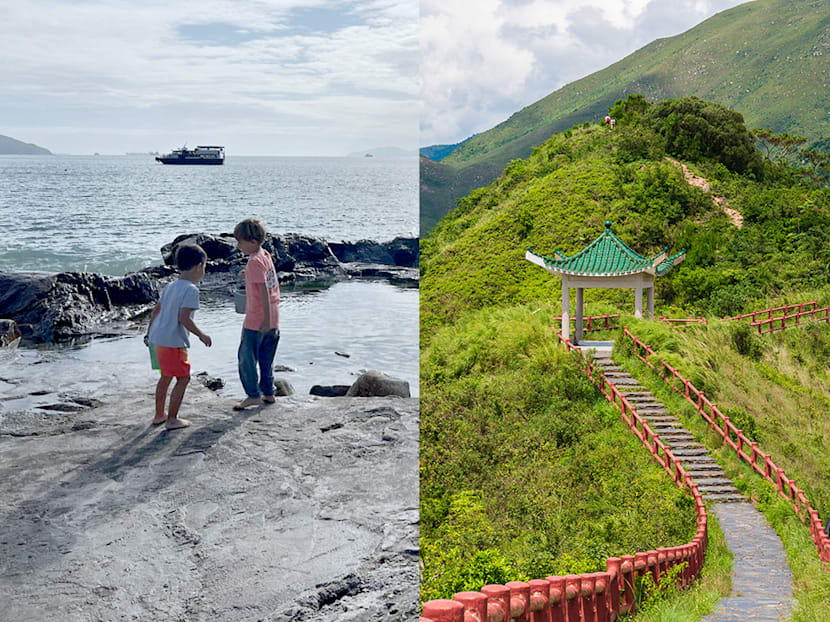
Hong Kong's islands serve as an ideal destination for those looking to escape the city's chaos, offering a unique blend of breathtaking landscapes and various recreational activities. Spanning a vast area, these islands are perfect for outdoor adventure enthusiasts.
Hong Kong is home to approximately 260 islands, yet only 15% of them are inhabited. Many of these islands can be easily accessed via ferries from the city center, making them perfect spots for day trips.
Popular Islands and Activities
Lamma Island is one of the most popular islands, characterized by small villages and beautiful beaches. Visitors can enjoy walking along designated trails between the villages of Sok Kwu Wan and Yung Shue Wan. The island is also known for its restaurants serving fresh seafood, making it a favorite destination for families and locals.
Sharp Island, also known as Kiu Tsui, is part of the Hong Kong Geopark, which is listed as a UNESCO World Heritage site. Visitors can explore natural trails and learn about unique rock formations while enjoying pristine beaches.
Background & Context
Historically, Hong Kong's islands were used as centers for fishing and trade. Over time, these islands have evolved into tourist destinations that offer unique experiences for visitors. Despite urban development in Hong Kong, nature continues to play a significant role in the lives of residents.
Lantau Island, the largest of Hong Kong's islands, is home to numerous natural landmarks, including the Big Buddha. It is also known for its traditional fishing villages and the serene environment it provides.
Impact & Consequences
These islands demonstrate how nature can coexist with urban life. They provide visitors with an opportunity to escape the pressures of daily life and enjoy tranquility and nature. Additionally, they contribute to promoting eco-tourism, benefiting the local economy.
These islands also exemplify how to preserve cultural and natural heritage amid the rapid changes occurring in major cities.
Regional Significance
The islands of Hong Kong highlight the importance of balancing urban life with nature, enhancing environmental awareness, and encouraging sustainable tourism practices. They serve as a reminder of the need to protect natural spaces while accommodating urban growth.
In conclusion, Hong Kong's hidden islands are not just a retreat from the urban environment but also a vital part of the region's cultural and natural heritage, offering both adventure and relaxation.