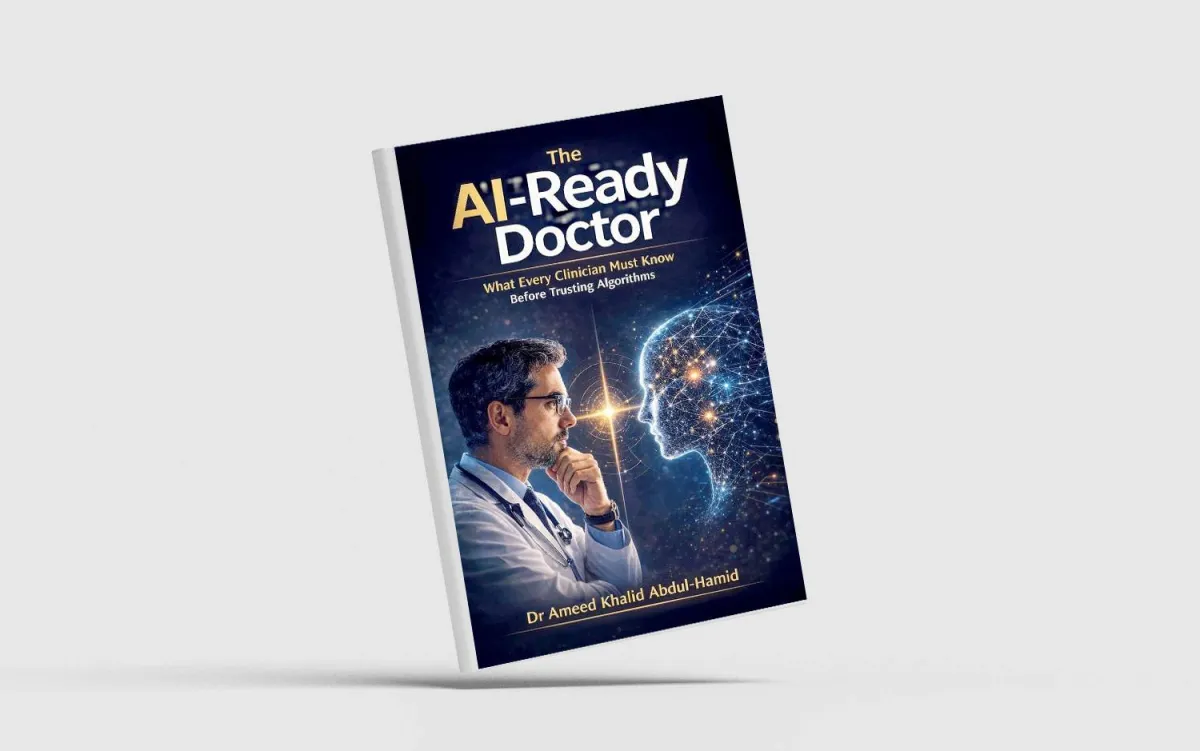
Amid the rapid transformations occurring in the healthcare sector, a new book titled 'The AI-Ready Doctor' by Dr. Ameen Khalid Abdul Hamid, an Iraqi-British researcher in medical artificial intelligence and healthcare ethics, has been released.
The book addresses the profound changes affecting the traditional concept of medical decision-making, as reliance on intelligent algorithms increases in areas such as diagnosis, clinical analysis, and predicting complications. The author raises questions about how prepared doctors are to confront this new era.
Event Details
The book emphasizes the importance of understanding the ethical and philosophical dimensions associated with artificial intelligence technologies, such as the limits of trust in algorithms and the responsibilities of physicians. It also discusses the concept of 'algorithmic silence,' which refers to the necessity for intelligent systems to refrain from making definitive recommendations in cases of uncertainty.
The book has garnered significant attention from the British Dental Journal, which discussed its impact on global discussions surrounding artificial intelligence in healthcare. Dr. Ameen Khalid Abdul Hamid is known for his contributions to this field and serves as a visiting professor in artificial intelligence in healthcare at the University of East London.
Background & Context
These transformations come in the context of the accelerating use of artificial intelligence technologies across various healthcare sectors worldwide. As reliance on these technologies increases, there is a growing need to prepare physicians capable of navigating these changes without losing the human aspect of the profession.
The book is part of the digital medical literature that seeks to understand the relationship between humans and algorithms in modern medicine. It reflects the increasing interest in such works, indicating a shift in global medical institutions towards recognizing the challenges associated with artificial intelligence.
Impact & Consequences
The implications of this book extend beyond merely providing technical information; it aims to reshape how doctors understand their roles in the age of artificial intelligence. It highlights the necessity for developing new skills that enable physicians to adapt to these changes.
The book indicates that the challenge is not limited to building smarter systems but also requires training doctors who understand the limitations of these systems and how to use them responsibly.
Regional Significance
In light of the digital transformations occurring globally, this book serves as a call for healthcare institutions in the Arab region to adopt artificial intelligence technologies thoughtfully. It necessitates investment in education and training to ensure that physicians are prepared to face future challenges.
In conclusion, the book underscores the importance of balancing technology use with the preservation of human values in healthcare, reflecting a forward-looking vision for the health sector in the Arab world.