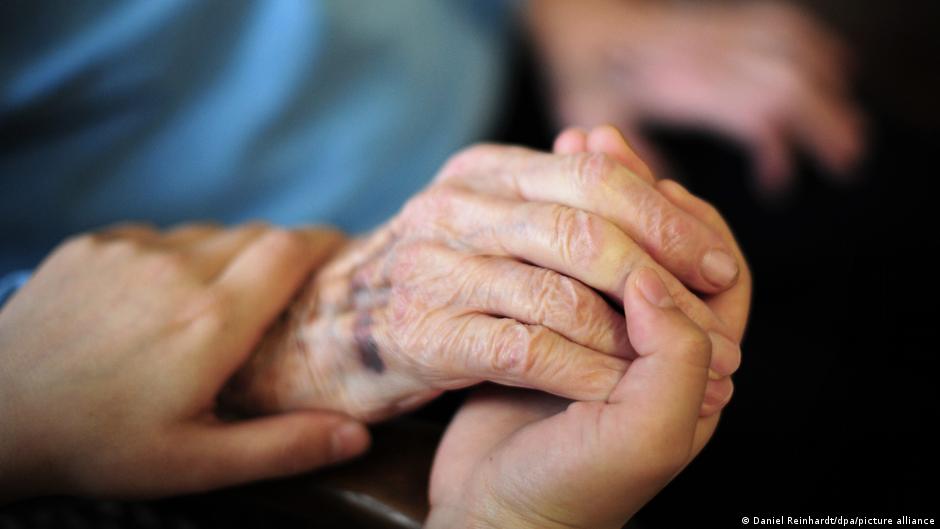
In their final moments, some individuals may have distinctive dream experiences where they meet with their deceased loved ones. This phenomenon, known as end-of-life dreams, can be more than just fleeting dreams; they reflect a state of inner peace and comfort.
Florence, a woman in the final stages of life, recounts how she sat with her husband and late daughter around the dinner table, laughing and sharing moments as they used to. She says, "It was as if we had never parted," adding that she felt no fear but rather a profound sense of reassurance, reflecting the comforting nature of these dreams.
Details of the Phenomenon
End-of-life dreams, also referred to as deathbed visions, typically occur in the last days of a person's life. Research has shown that approximately 90% of patients in palliative care report experiencing at least one of these dreams. Doctors describe these dreams as vivid and realistic experiences, where patients exhibit heightened clarity and awareness.
Dr. Christopher Kerr, a neurologist and palliative care physician, conducted studies on over 1400 patients in palliative care, finding that these dreams often relate to relationships and memories, helping patients process their emotions before passing away.
Background & Context
Historically, this phenomenon has been overlooked in the medical field, often dismissed as mere confusion or side effects of medication. However, scientists have begun to reassess these experiences, with recent research indicating that these dreams may serve as a means of communication with deceased loved ones, alleviating the pain of loss.
These dreams typically involve encounters with deceased friends and family, revolving around themes such as love and forgiveness. Studies have shown that these experiences can be comforting, assisting patients in confronting their feelings and addressing unresolved issues.
Impact & Consequences
End-of-life dreams are profound experiences that can influence how individuals cope with death. Research suggests that these dreams do not predict death, but they can leave a lasting impact on loved ones facing loss. These experiences may facilitate the grieving process and provide solace.
For instance, Jennifer witnessed her partner Patrick's experience, who dreamed of his deceased grandmother, who offered him advice on a recipe. After this dream, Patrick felt a sense of peace, illustrating how these dreams can be comforting in the final moments.
Regional Significance
In Arab culture, death is a sensitive topic often approached in traditional ways. End-of-life dreams may offer a new perspective on how to cope with loss, helping individuals to understand death more deeply. These phenomena can serve as a source of comfort in Arab communities grappling with the loss of loved ones due to conflicts or illnesses.
In conclusion, end-of-life dreams open new horizons for understanding death, providing hope and comfort for patients and their loved ones. By studying these phenomena, we can begin to see death not just as a biological process but as part of a rich human experience filled with meaning and connections.