Iceland is one of the most distinctive tourist destinations in the world, combining breathtaking landscapes that range from volcanic lava to crystalline ice. The island is located in the North Atlantic Ocean, between Europe and North America, and is characterized by its unique environmental diversity that attracts tourists from all over the globe.
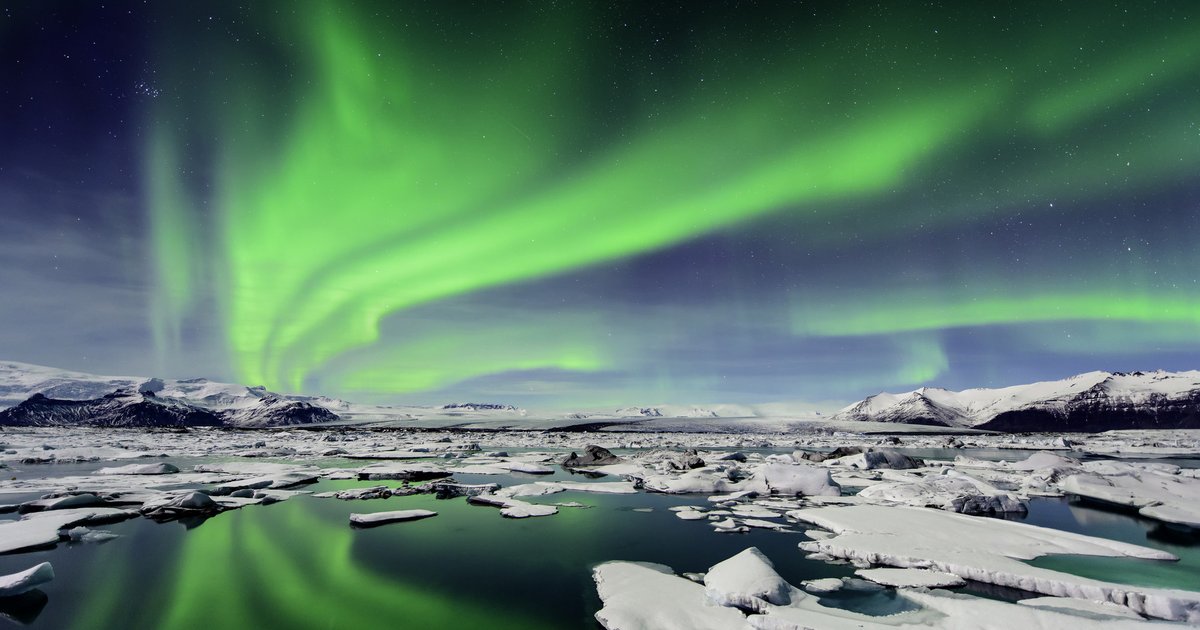
If you venture off the usual tourist paths, you will discover ice caves, lava fields, and glacial lakes in remote areas. The sky in Iceland lights up at night with a magical natural phenomenon known as the "Northern Lights," adding a touch of enchantment to the visitors' experience.
Event Details
At the foot of the Fagradalsfjall volcano in southern Iceland, visitors can hear the creaking of frozen lava and inhale the sulfurous smell emanating from volcanic cracks. The lava flowed into the Geldingadalur valley less than three years ago, appearing like a frozen black river, with colors ranging from blue to rust.
Iceland is considered the largest active volcanic region in Europe, containing more than 32 volcanic systems. The volcanic activity on the island is due to its location on the Mid-Atlantic Ridge, where tectonic plates slowly move, allowing magma to rise from the depths of the Earth.
Although recent eruptions on the Reykjanes Peninsula have not been violent, the lava flows slowly from the long fissures, allowing for relatively safe viewing.
Background & Context
Iceland also features valleys and hot springs, most notably the Haukadalur valley and Strokkur, which erupts hot water every four to ten minutes. The thermal resort at the Blue Lagoon offers a chance to relax amidst a lava field with mineral-rich waters. For those seeking privacy, Reykjadalur valley provides a natural warm river experience, where steam envelops the area and adds vibrant green colors with flowering plants like lupins.
Smaller glacial lakes such as Vatnajökull and Hina Bergslón are ideal destinations for glacier kayaking, while the Sólheimajökull glacier offers opportunities for beginner ice climbing, with equipment and expert guidance provided to ensure a safe experience.
Impact & Consequences
The dramatic landscapes of Iceland serve as filming locations for movies, with the Svínafellsjökull glacier, part of the Vatnajökull ice cap, featuring deep blue ice and cracks in popular films like Interstellar and Game of Thrones.
The Jökulsárlón glacial lagoon was also used in scenes from Lara Croft: Tomb Raider, an area filled with floating icebergs and stunning scenery.
Regional Significance
Iceland is a unique tourist destination, opening new horizons for Arab tourists eager to explore breathtaking nature. The experience of witnessing the Northern Lights is one-of-a-kind, with colors ranging from green to blue to purple, resulting from the interaction of charged particles from the sun with the Earth's atmosphere.
These lights create an unforgettable fantasy scene over the island, making the experience of observing them a beloved activity for tourists and photographers alike, especially during clear winter nights.