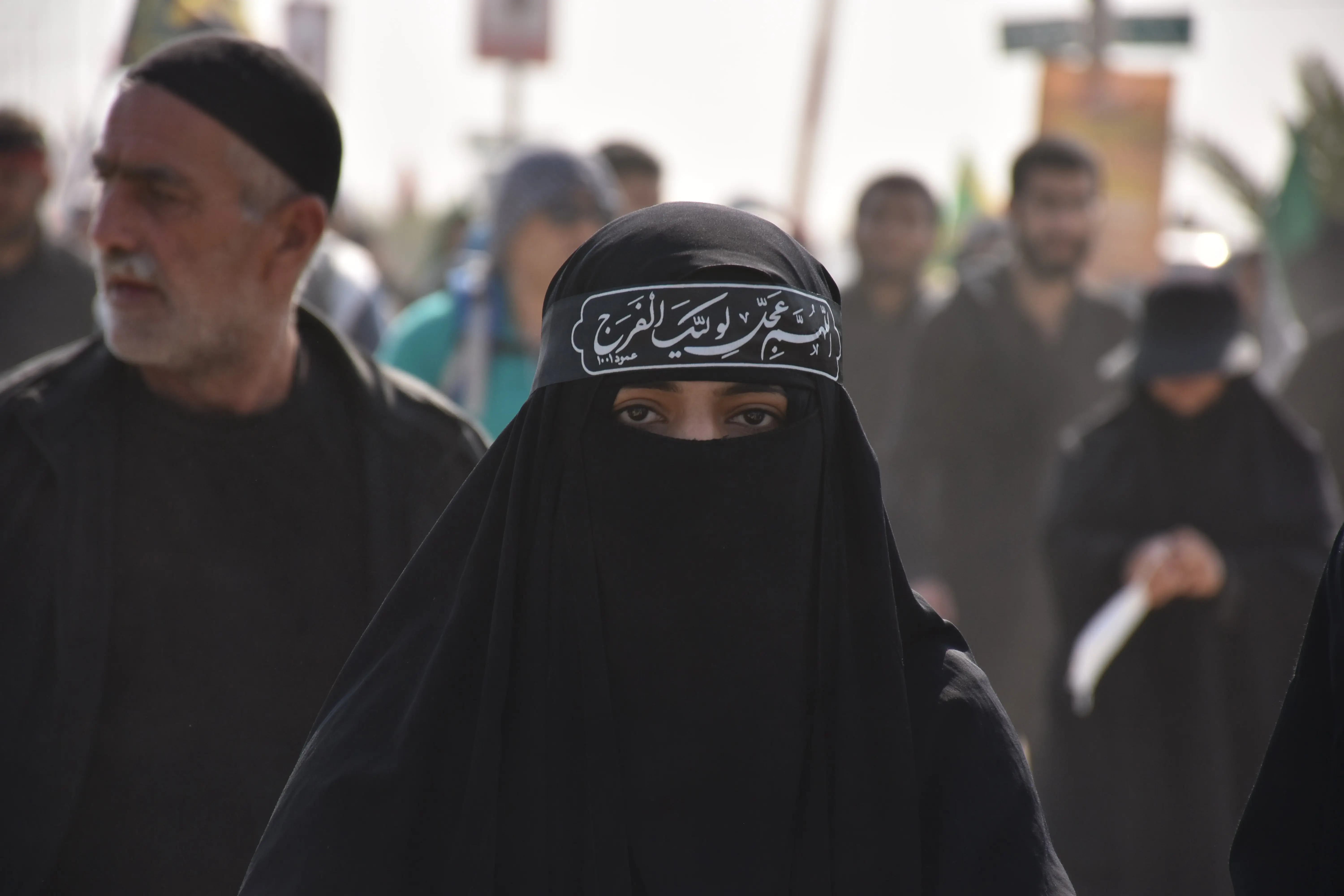
Questions regarding identity and belonging are increasingly prevalent in Arab societies, where cultural and social factors intertwine to create a complex picture of who we are and where we belong. These issues are not new, but they are gaining importance amid the rapid changes occurring in the region.
The Arab identity is influenced by several factors, including history, culture, and politics. The long history of colonialism and internal and external conflicts has left a profound impact on the sense of belonging. Additionally, globalization and openness to other cultures have contributed to a state of tension between traditional identity and modern trends.
Event Details
Arab societies pose numerous questions about their identity. Who are we? Where did we come from? What values do we cherish? These questions require deep answers that consider the cultural and religious diversity in the region. Each Arab country carries its own history and unique experiences, making identity a complex issue.
In recent years, some Arab countries have begun to reconsider the concept of national identity, seeking to enhance belonging through educational and cultural programs. These efforts aim to build a new generation that takes pride in its identity and is capable of facing contemporary challenges.
Background & Context
Historically, Arab identity has been closely linked to Islamic culture, with the Arabic language playing a pivotal role in uniting peoples. However, political divisions and internal conflicts have led to the fragmentation of this identity, making it essential to reevaluate it in the modern context.
Calls are increasing in many Arab countries to promote national identity through arts, literature, and education. These initiatives aim to enhance pride in cultural heritage and foster unity among various social groups.
Impact & Consequences
Identity issues affect social and political stability in the region. As divisions over identity increase, so do social tensions. It is crucial for countries to adopt policies that promote national unity and reduce divisions.
These challenges require collaboration between governments and local communities to enhance dialogue and understanding. Continuous efforts must be made to educate new generations about the importance of identity and belonging, and how to coexist with diversity.
Regional Significance
Identity issues transcend national borders, impacting relationships between Arab countries. Tensions surrounding identity can lead to internal conflicts, negatively affecting regional stability. Therefore, it is vital for Arab nations to work together to promote mutual understanding and strengthen a shared identity.
In conclusion, identity and belonging issues remain among the most significant challenges facing Arab societies. Through dialogue and understanding, these challenges can be overcome, paving the way for a more stable future.