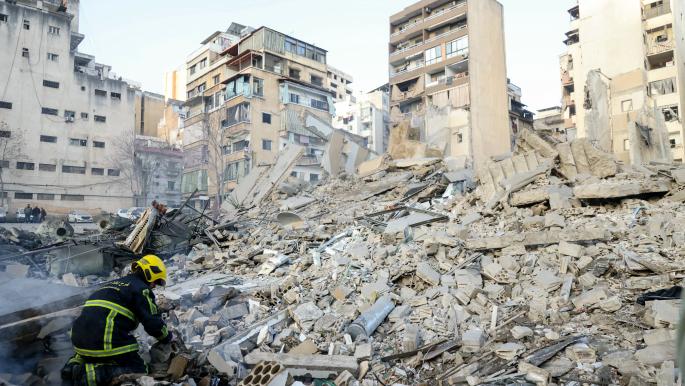
The Israeli entity is considered a manifestation of traditional colonialism, emerging as a spoiled child of colonialism over the past century. This entity represents a recurring model of crimes and wars, reflecting the deterioration of humanity's political trajectory in the modern era.
The manifestations of colonialism in the Israeli entity are evident through its aggressive policies towards the Palestinians, where violations, displacement, and killings are recurrent. These policies are not merely transient events but part of a long-term strategy aimed at enhancing control over lands and sacred sites.
Details of the Events
Over the past decades, the Palestinian territories have witnessed numerous wars and conflicts that have claimed thousands of lives. These wars were not just military conflicts but expressions of a systematic policy aimed at excluding Palestinians from their lands. The Israeli entity, through its successive governments, has relied on military force and advanced technology to suppress any resistance.
These policies manifest in forced evacuations, settlement construction, and home demolitions. All these actions confirm that the Israeli entity is not only seeking to survive but also to expand its influence at the expense of the rights of the Palestinian people.
Background & Context
The Israeli entity was established in **1948**, at a time when the region was suffering from the effects of European colonialism. Since then, this entity has become a symbol of the Arab-Israeli conflict, with its establishment linked to large-scale displacement operations of Palestinians. This historical background explains much of the current events, as the conflict continues due to the lack of recognition of Palestinian rights.
Historically, there have been numerous attempts to reach peaceful settlements, but most have failed due to Israeli intransigence. This ongoing failure reflects the entity's lack of seriousness in achieving peace, as it seeks to reinforce its control over the occupied territories.
Impact & Consequences
The policies of the Israeli entity affect regional stability, contributing to the exacerbation of humanitarian crises in the Palestinian territories. These policies also provoke negative reactions from Arab countries and the international community, complicating relations between the Israeli entity and Arab states.
These policies also foster feelings of hatred and animosity towards the entity, leading to heightened tensions in the region. Such tensions could lead to the outbreak of further conflicts, threatening both regional and international security.
Regional Significance
The Palestinian issue is one of the central issues in the Arab world, evoking feelings of solidarity with the Palestinian people. The ongoing crises in the Palestinian territories affect relations between Arab countries, as many nations seek to support Palestinians in their struggle for their rights.
Moreover, the continuation of Israeli violations reflects the weakness of the Arab position in confronting colonialism, necessitating a reevaluation of support and assistance strategies. The current situation requires unifying Arab efforts to achieve tangible progress in the Palestinian cause.
In conclusion, the Israeli entity represents a model of repeated colonialism in modern history, continuing to embody human rights violations. Understanding this historical and political context is essential to appreciate the humanitarian and political dimensions of the ongoing conflict.