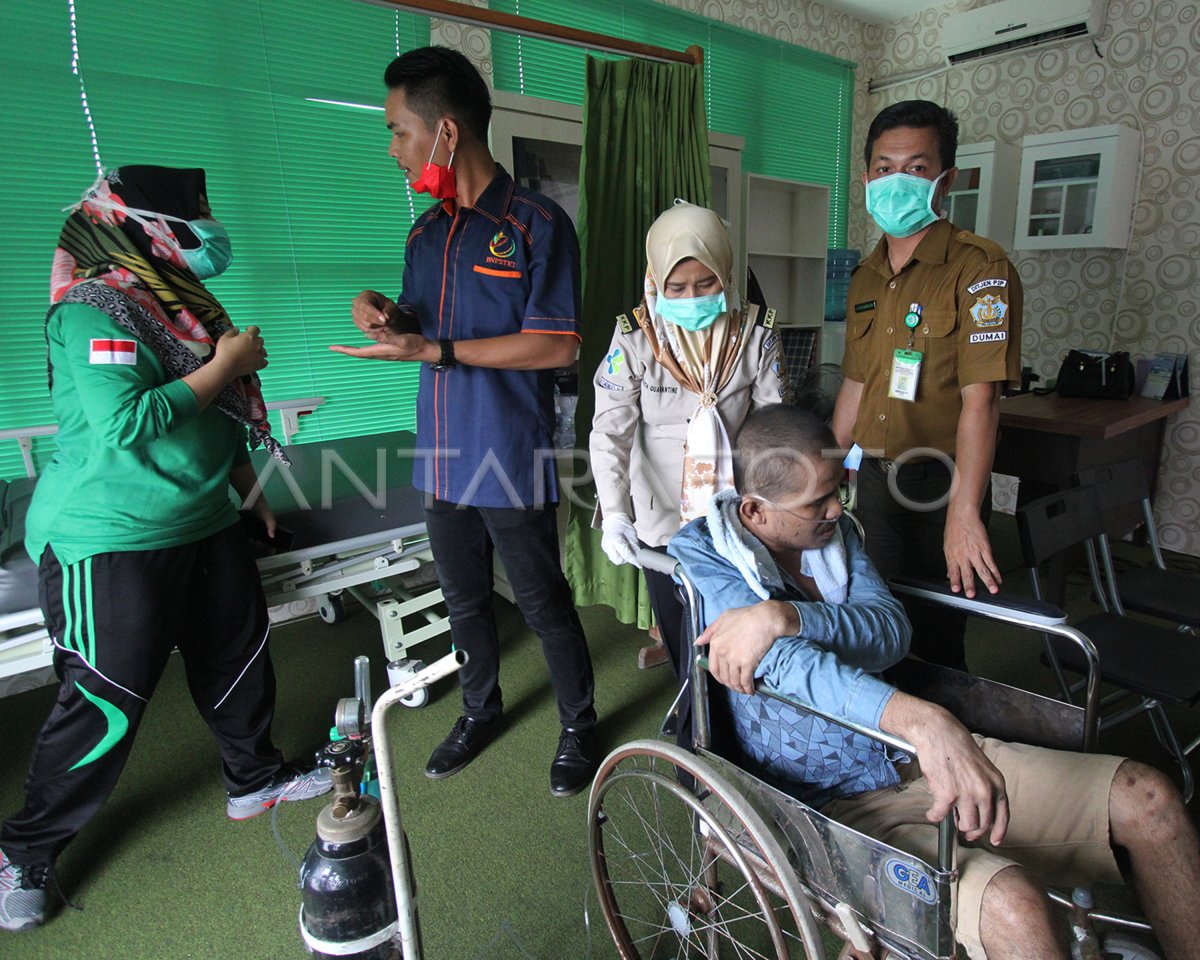
The Indonesian Ministry of Migrant Worker Protection (KP2MI) is actively exploring new opportunities in European countries for the employment of Indonesian migrant workers. Minister Mochtaruddin noted a growing interest from the Indonesian government in expanding job opportunities in countries such as Turkey, Italy, Germany, Slovakia, and several Eastern European nations.
These remarks were made during a farewell ceremony for a group of migrant workers departing from Bali to Bulgarian, where the minister emphasized the significant opportunities available in European countries, particularly those experiencing an increase in elderly populations, which necessitates professional healthcare services.
Event Details
Indonesia is one of the major contributors to the global labor market, with many Indonesian workers employed in countries like Taiwan, Hong Kong, and Japan. However, the number of migrant workers in Europe remains low, with opportunities primarily limited to countries like Bulgarian. The Indonesian government is working to increase the number of migrant workers in Europe, as estimates indicate a substantial demand for labor in this market.
Minister Mochtaruddin confirms that the government is focused on enhancing the skills of migrant workers, directing them towards professional and formal sectors. Recently, 300 qualified workers in the manufacturing sector were sent to South Korea, alongside sending other workers to Japan for employment in their industries.
Background & Context
Historically, Indonesia has been one of the largest exporters of migrant labor, with many families relying on the income generated by these workers. As competition increases from other countries looking to export labor to Europe, the Indonesian government is striving to enhance the skills of migrant workers to ensure their competitiveness in global markets.
Indonesia faces challenges in providing adequate education and training for workers, as the outputs of higher education and vocational schools do not align with the labor market needs of receiving countries. Additionally, language proficiency remains one of the biggest challenges faced by workers, necessitating the need for specialized training programs.
Impact & Consequences
This initiative by the Indonesian government is part of a broader strategy to combat poverty and reduce unemployment rates. By providing job opportunities for migrant workers abroad, the government hopes to improve living standards and increase financial remittances to the country.
Moreover, these efforts could enhance economic relations between Indonesia and European countries, paving the way for further cooperation in other areas such as trade and investment.
Regional Significance
Indonesia's experience in exporting migrant labor serves as a model that could benefit Arab countries facing similar challenges in their labor markets. With the increasing demand for skilled labor in many Arab nations, these countries could benefit from developing similar training programs to enhance the skills of their citizens.
In conclusion, Indonesia's efforts to explore job opportunities in Europe represent a strategic step towards improving the status of migrant workers and bolstering the national economy, opening new avenues for international cooperation.