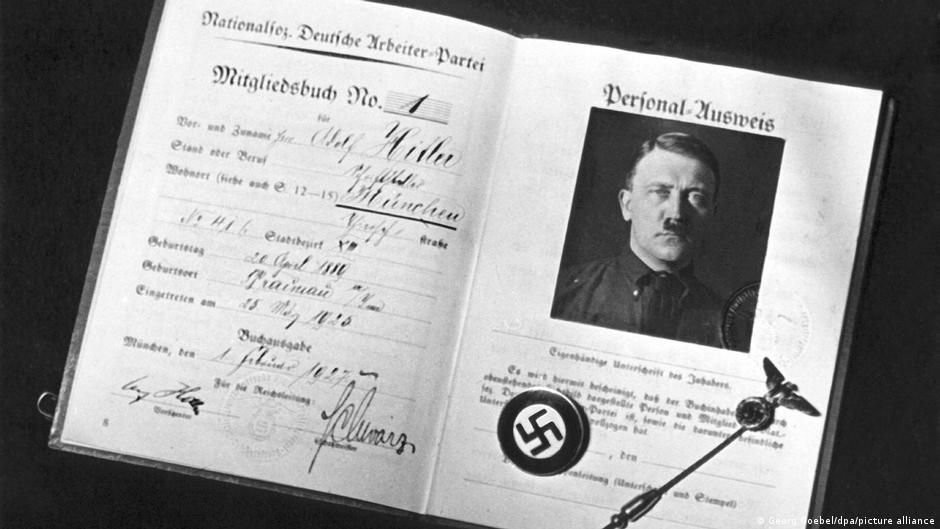
Anyone can now search for their ancestors' names in the records of the National Socialist German Workers' Party (NSDAP) after the U.S. National Archives made millions of membership cards available online. This move comes more than 80 years after the end of Nazi rule, providing people with the opportunity to explore their family histories during that dark period.
The available data contains information about 6.6 million Germans who were members of the party until 1945, preserved on over 5,000 rolls of digital microfilm. However, the records are not complete, as reports indicate that one in five adults in Germany was a member of the Nazi Party, meaning many families may be directly linked to that era.
Details of the Event
Historian Johannes Spör states that access to these online resources may be appealing to the public, but he clarifies that this information has been available at the Federal Archives of Germany since 1994. However, accessing information in Germany requires a written request, as information related to individuals is released after 100 years from their birth date or 10 years after their death.
This means that individuals can only access information about their relatives and not about neighbors or other people. Spör notes that public awareness of the victims and the oppressed is much greater than awareness of the perpetrators, complicating the search for family history.
Background & Context
After the end of World War II, crimes associated with the Nazi era remained a taboo subject in many German families. Although the German culture of acknowledging the Nazi era is considered exemplary in many areas, matters become complicated when it comes to known individuals. Spör states, "Recognition must happen where it hurts," pointing out that many families still live in denial about their ancestors' roles during that time.
Studies show that more than three-quarters of Germans believe their ancestors were not perpetrators, while 36% think their relatives were victims. This disconnect between feelings and reality reflects a lack of true awareness of what happened during that period.
Impact & Consequences
This step in making records available online is an important move towards enhancing historical awareness. It can help individuals understand their families' roles during the Nazi regime, potentially leading to a reevaluation of personal and family identity. Additionally, researching archives may uncover painful truths that contradict traditional family narratives.
Spör believes that the growing interest in this topic is partly due to current events such as the war in Ukraine, where people seek to understand their family histories in the context of ongoing conflicts. The rise of the far-right in Germany, such as the Alternative for Germany (AfD) party, raises concerns among many about potential links between the Nazi past and the current political landscape.
Regional Significance
While this topic may seem distant from the Arab region, there are lessons to be learned. Understanding history and dealing with the past can help communities address issues of identity and belonging. Additionally, exploring personal history can contribute to fostering dialogue about current social and political issues.
In conclusion, the availability of these records represents an opportunity for individuals to explore their family histories and understand the complex dimensions of the Nazi era, which may contribute to enhancing historical and societal awareness.