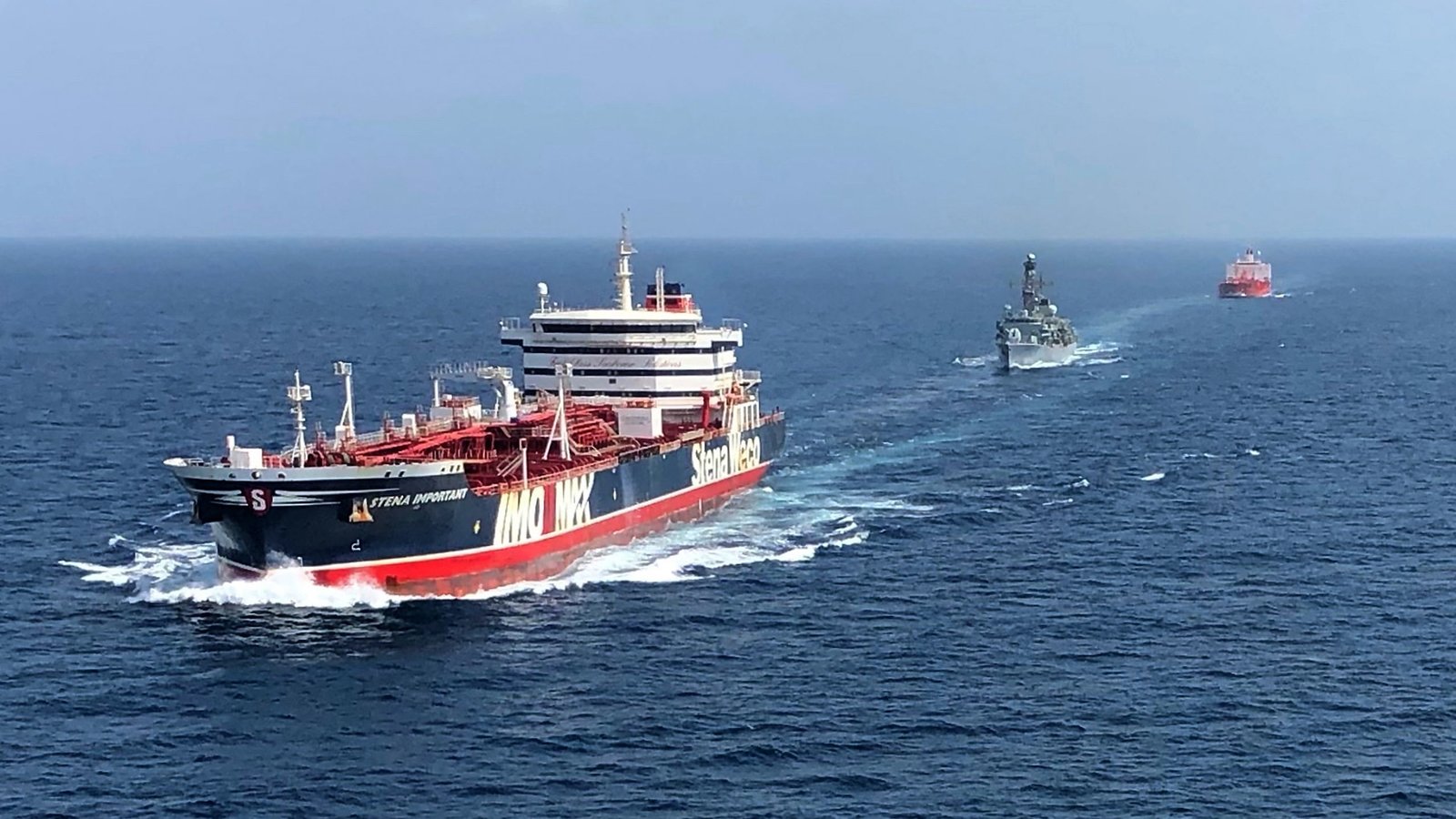
The strategic importance of the Hormuz Strait is increasing, as it represents a vital transit point for approximately 20% of global oil supplies. Given the rising tensions in the region, there is a pressing need to explore strategic alternatives to ensure the safety of maritime navigation.
Reports indicate that there are growing efforts by concerned nations to bolster security in the area. This comes at a time when threats from certain armed groups are escalating, raising concerns about the safety of commercial vessels.
Details of Recent Developments
Recently, several countries announced plans to enhance their military presence in the region, aiming to secure maritime shipping lanes. Intensive naval movements have been observed from the U.S. Navy, along with new alliances with Gulf nations.
The importance of regional and international cooperation in addressing security challenges has also been highlighted. This is part of multilateral efforts to ensure stability in the region and protect economic interests.
Background & Context
The Hormuz Strait is a narrow maritime passage separating Iran and Oman, and is considered one of the most important maritime corridors in the world. Historically, the strait has witnessed numerous crises and tensions, particularly amid regional conflicts and political disputes.
The strait's significance stems from its role as a major transit point for oil, with oil tankers passing through it from Gulf countries to global markets. This makes it a target for threats, necessitating new strategies to safeguard navigation.
Impact & Consequences
The repercussions of tensions in the Hormuz Strait extend beyond the region, affecting global oil prices and market stability. Any escalation in the area could lead to a rise in oil prices, impacting the global economy.
Additionally, tensions in the strait may drive increased investments in alternative energy sources, as countries seek to reduce their dependence on oil imports from troubled regions.
Regional Significance
The Arab countries neighboring the Hormuz Strait are the most affected by the tensions, as their economies heavily rely on oil exports. Any threat to navigation could negatively impact economic growth and stability in these nations.
Arab countries are striving to enhance cooperation among themselves to tackle security challenges, which could lead to the formation of new alliances that strengthen regional security.
In light of the escalating tensions in the Hormuz Strait, there is a growing need for new strategies to ensure the safety of maritime navigation. The current situation requires regional and international cooperation to ensure stability in the area and protect economic interests.