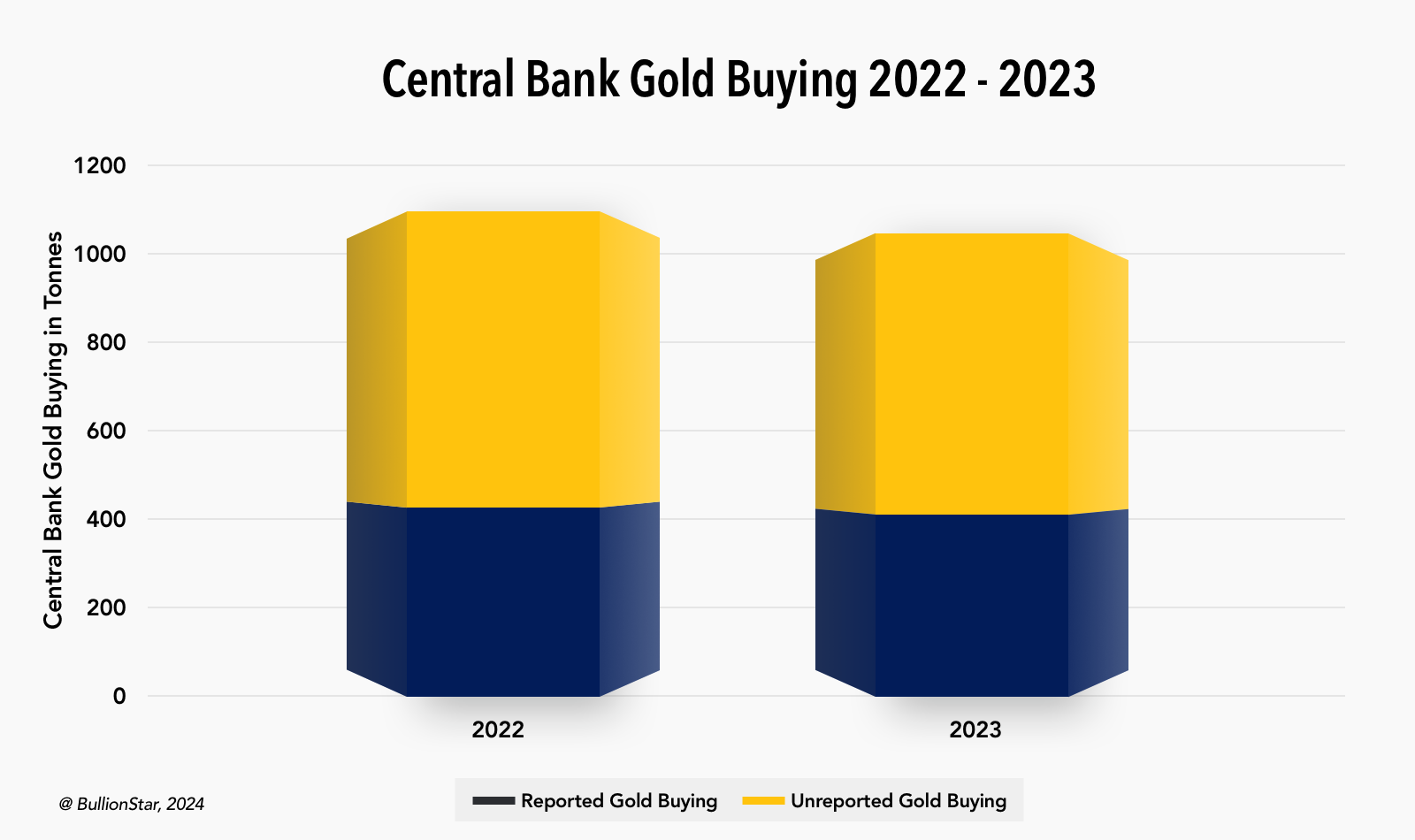
In her recent discussion, Amy Gower, a metals and mining strategist at Morgan Stanley, emphasized that the gold market is undergoing notable transformations that could significantly impact central banks' strategies worldwide. This statement was made during the program 'The Pulse' hosted by Francine Lacqua, where topics related to gold investment and its role as a safe haven during times of economic instability were addressed.
The prices of gold are considered crucial indicators reflecting the state of the global economy, having witnessed significant increases recently. Gower attributed this rise to several factors, including geopolitical tensions, rising inflation, and the accommodative monetary policies adopted by many central banks.
Details of the Event
Gower pointed out that the demand for gold has surged significantly under the current economic conditions, as investors turn to gold as a means of protection against financial market fluctuations. She also confirmed that central banks have begun to reassess their gold reserves, reflecting the importance of the yellow metal as a strategic investment tool.
At the same time, Gower explained that there is a divergence in central banks' strategies, with some countries opting to increase their gold reserves, while others prefer to reduce their reliance on the yellow metal. This divergence reflects differences in economic and financial policies among nations.
Background & Context
Historically, gold has been one of the oldest means of investment, experiencing significant price fluctuations over the years. In recent years, gold's importance as a safe haven has increased, especially amid global economic crises. Geopolitical events, such as trade disputes and financial crises, have contributed to enhancing gold's status in global markets.
Additionally, trends towards digital transformation and innovations in cryptocurrencies have also impacted the gold market, as some investors begin to seek new alternatives. However, gold remains the traditional preferred option for many, especially during times of uncertainty.
Impact & Consequences
The current trends in the gold market underscore the importance of the yellow metal as a strategic investment tool. With rising demand for gold, prices are expected to continue increasing, which may affect central banks' monetary policies. This rise in prices could lead to increased inflation, placing additional pressure on economic policymakers.
Moreover, the trends towards increasing gold reserves may reflect countries' desire to enhance their financial and economic stability, potentially leading to changes in economic relations between nations. In this context, central banks may become more reliant on gold as a means of protection against economic fluctuations.
Regional Significance
In the Arab region, gold is considered one of the most important investment assets, with many Arab investors preferring to hold gold as a means of protection against market fluctuations. With the increasing demand for gold, Arab markets may witness a rise in prices, affecting citizens' purchasing power.
Furthermore, global trends towards increasing gold reserves may influence monetary policies in Arab countries, as some central banks may seek to bolster their gold reserves to face economic challenges. Ultimately, gold remains one of the main assets significantly impacting the Arab economy.