Many countries are seeking to provide alternatives to imprisonment, revealing reports about the possibility of obtaining parole in exchange for financial payments. These options raise debates about justice and equality in law enforcement.
The issue of parole instead of imprisonment is a contentious topic, as some believe these options may open the door to discrimination based on individuals' financial status. At the same time, others see it as a means to alleviate pressure on the judicial system and overcrowded prisons.
Details of the Event
Reports indicate that some countries have begun to adopt a system that allows individuals facing prison sentences to obtain parole in exchange for certain financial payments. This system aims to reduce the number of prisoners and alleviate burdens on correctional institutions. However, this raises questions about the fairness of this system, especially in light of the economic and social gaps between individuals.
These financial options include paying bail or certain fees, allowing individuals to benefit from conditional freedom instead of serving long periods in prison. This system has been implemented in some U.S. states, where studies have shown that parole can have a positive impact on individuals' rehabilitation.
Background & Context
Historically, criminal justice systems have heavily relied on prison sentences as a means of deterrence. However, many countries have begun to reevaluate these strategies in recent years, as research has shown that imprisonment is not always the optimal solution. Instead, some countries have started exploring alternative options such as parole, which aim to reduce the number of prisoners and improve rehabilitation opportunities.
These options are part of a broader movement towards reforming the criminal justice system, as lawmakers seek to find more humane and effective solutions. However, the biggest challenge remains ensuring that these options are available to everyone, regardless of financial status.
Impact & Consequences
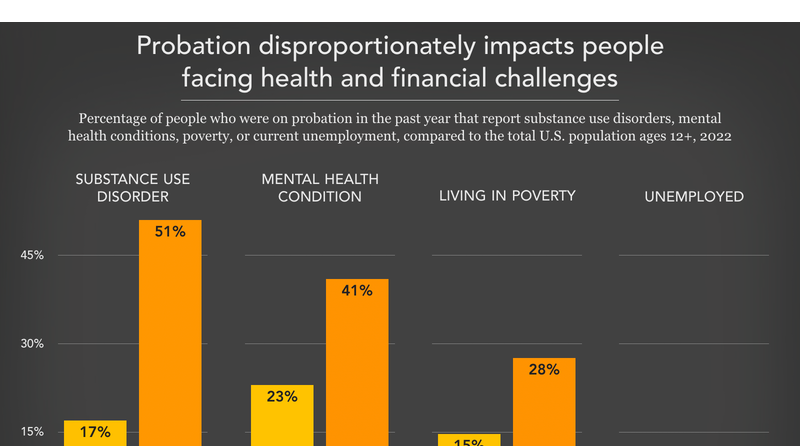
These financial options raise questions about social justice, as they may lead to discrimination between individuals based on their financial capabilities. While the wealthy may be able to avoid prison by paying certain amounts, the poor may face harsh penalties without any alternative options.
Moreover, these policies could affect how society deals with crime. If people perceive that parole is an option available only to the wealthy, it may exacerbate feelings of resentment and distrust in the justice system. Therefore, it is crucial that these options are implemented fairly and transparently.
Regional Significance
In the Arab region, this issue may hold particular importance, as many countries face challenges within their criminal justice systems. Parole options could help alleviate pressure on prisons, but they require careful consideration to ensure that social gaps are not exacerbated.
Some Arab countries are seeking to reform their judicial systems, and these options could be part of the solution. However, this must be done cautiously to ensure that they are not exploited by the wealthy at the expense of the poor.
In conclusion, options for parole instead of imprisonment raise many complex issues related to justice and equality. It is essential to address these issues comprehensively to ensure that judicial systems are fair and effective for all.