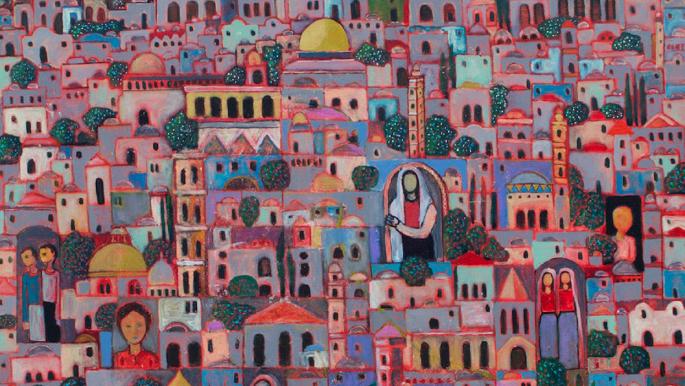
Palestine symbolizes Arab cultural heritage, representing more than just land or a political issue. It is an integral part of Arab identity, reflecting a rich legacy of language, music, and folklore, which makes it a focal point of interest both regionally and internationally.
Historically, Palestine has been an important cultural center, home to many cultures and peoples throughout the ages. This cultural diversity has contributed to the formation of a rich Palestinian identity that transcends current political borders. The Palestinian collective memory tells stories of struggle and resilience, reflecting a deep belonging to this land.
Details of the Cultural Significance
The importance of Palestine lies in its representation of a diverse cultural heritage rather than merely a political issue. The Palestinian language, for example, carries many phrases and proverbs that reflect the history of the Palestinian people. Additionally, Palestinian music, which ranges from folk songs to national anthems, plays a significant role in enhancing cultural identity.
Palestinian folklore includes numerous stories that speak of daily life, customs, and traditions, making them a part of the collective memory of the Palestinian people. These narratives are not just tales; they express identity and belonging, contributing to strengthening the bonds between generations.
Background & Context
Over the decades, Palestine has faced significant challenges due to political conflicts. Nevertheless, the Palestinian people have managed to preserve their cultural heritage through arts and literature. Maintaining this heritage serves as a form of cultural resistance that reflects resilience in the face of challenges.
The history of Palestine is filled with events that have shaped its identity, from ancient times to the modern era. Palestine has been a center for heavenly religions, adding a spiritual and cultural dimension to Palestinian heritage. This religious and cultural diversity makes Palestine a meeting point for many civilizations.
Impact & Consequences
The effects of the Palestinian issue extend beyond its geographical boundaries, impacting Arab national security in general. The Israeli-Palestinian conflict is not merely a regional dispute; it has repercussions on stability across the entire region. The continuation of this conflict affects relations between Arab countries and reflects the challenges they face in achieving unity and solidarity.
Moreover, preserving Palestinian cultural heritage is essential for enhancing Arab identity. Recognizing and supporting Palestinian culture can help build bridges of understanding between peoples and enhance the prospects for peace in the region.
Regional Significance
Palestine is an integral part of Arab identity, as its issues evoke feelings of solidarity among Arab peoples. Events in Palestine influence Arab public opinion, reflecting the importance of the issue in collective consciousness. Arab support for Palestine demonstrates the commitment of Arab countries to a cause that is central to the region's history.
In conclusion, Palestine remains a symbol of heritage and collective memory, reflecting the depth of Arab identity. Preserving this heritage is a collective responsibility and should be part of the efforts made to achieve peace and stability in the region.