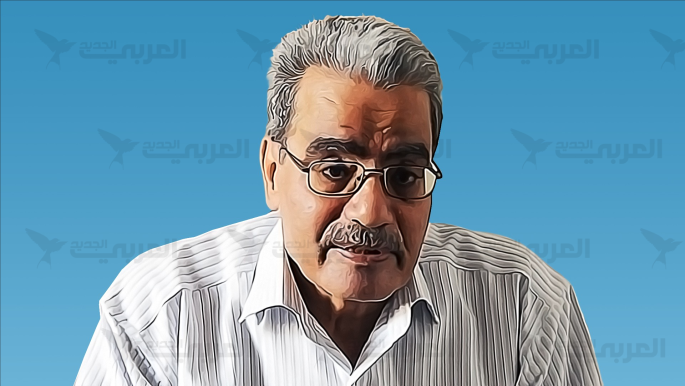
The late poet Muhammad Suleiman proved to be an avid lover of poetry, using it as a refuge from intolerance and formalism. He was part of various poetic groups, which reflects his freedom of expression.
Despite not belonging to any specific poetic movement, Suleiman had a clear influence in the literary arena. He possessed a unique ability to express his feelings and thoughts through his words, making him one of the distinguished poetic voices of his time.
Event Details
Muhammad Suleiman, considered one of the most prominent poets in his community, passed away, leaving behind a rich literary legacy. He was known for his unique style that blends simplicity with depth, making him beloved among readers and critics alike. He wrote poetry from a personal perspective, viewing it as a means of self-expression and communication with others.
Suleiman was not only a poet but also a cultural activist, participating in numerous literary events and discussions about poetry and literature. He believed that poetry should be free and unrestricted in any way, which led him to avoid theorizing or adhering to any particular poetic school.
Background & Context
The history of Arabic poetry is filled with challenges and transformations, witnessing many prominent figures who contributed to the development of this art. Amidst social and political changes, poets like Muhammad Suleiman represented a free voice expressing the hopes and dreams of their communities.
Suleiman was part of a larger poetic movement, during which many poets emerged seeking to renew Arabic poetry and present it in a way that aligns with modern times. The poetic groups he belonged to served as a platform for exchanging ideas and experiences, enriching his poetic journey.
Impact & Consequences
The impact of Muhammad Suleiman on Arabic poetry is undeniable. He inspired many young poets to express themselves freely and to move away from traditional constraints. His unique style and ability to convey human emotions made him a role model for many.
His death raises questions about the future of Arabic poetry, especially in light of the challenges it faces in modern times. Will new poets be able to maintain the spirit of free poetry that Suleiman represented, or will they fall into the trap of formalism and intolerance?
Regional Significance
Muhammad Suleiman represents a symbol of free Arabic poetry, leaving a clear mark on Arab culture. His literary legacy can serve as an inspiration for future generations, reflecting the importance of artistic expression in the face of social and political challenges.
In the current circumstances facing the Arab region, poetry remains a means of expressing hopes and pains. Suleiman's experience encourages new poets to seek their own voices and not fear expressing their feelings honestly.
In conclusion, Muhammad Suleiman, through his poetry and advice, will remain present in literary memory, exemplifying the free poet striving to express himself without constraints.