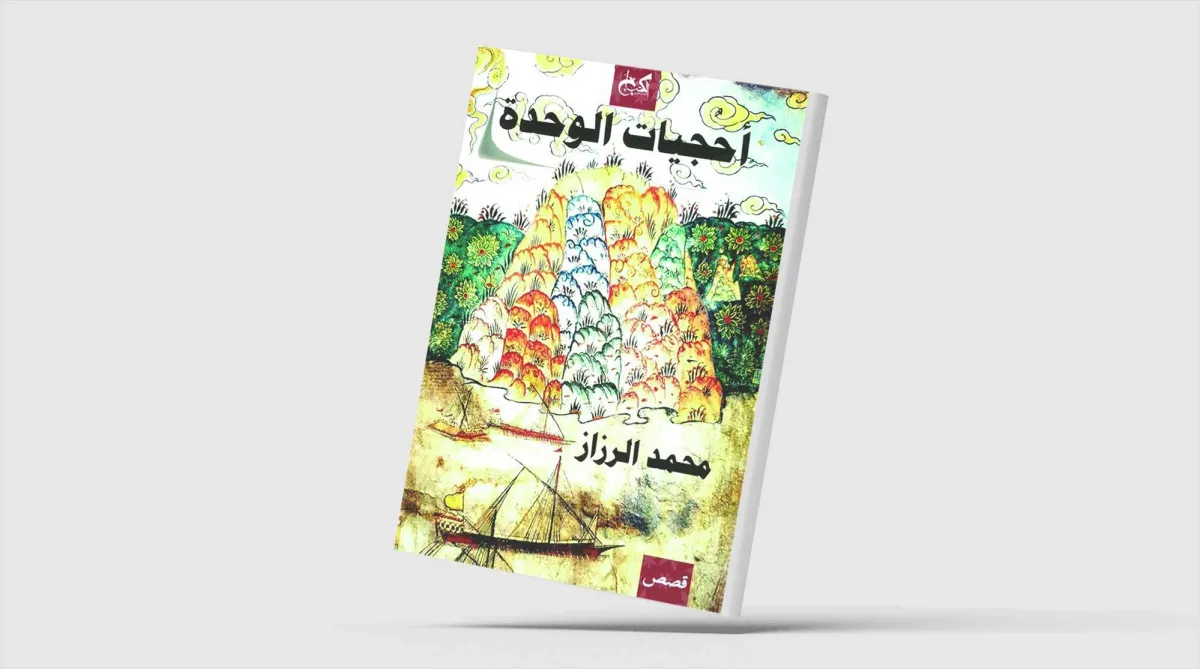
In 'Puzzles of Solitude,' Egyptian author Mohamed El-Razaz presents a unique perspective on solitude, viewing it not merely as pain but as a complex structure interacting with daily life experiences. In this collection, El-Razaz portrays solitude as an elusive state that invites contemplation and empathy, sometimes leading to marginalization and withdrawal.
The collection was recently published by Dar Al-Kutub Khan in Cairo, and it evokes feelings of solitude through texts that deconstruct it into multiple representations, reflecting the difficulty of coexisting with it and the characters' desire to share it with others.
Event Details
The sea appears in this collection as a parallel entity to the solitary self, embodying its fluctuations and reshaping it. One of the protagonists reflects on the changing nature of the sea, stating, "The night sea is nothing like the day sea," which mirrors the multifaceted aspects of the sea as a space reflecting life experiences. In the story "To Wait," the protagonist expresses his lack of courage to dive into the belly of the sea, symbolizing the internal struggle between the desire to succumb to temptation and the fear of isolation.
The relationships between characters and strangers are complex, as some seek to create cautious scenarios to defend their solitude. The old fisherman appears in the story "To Depart," clinging to his seat by the sea, where this seat symbolizes communication with fellow fishermen who have left the harbor in search of fish.
Background & Context
The stories in the collection traverse topographical levels that explore the aesthetics of place, from the dry land to the water's edge, where the protagonists reclaim an ancient relationship with the sea as a living entity. In this context, the sea is considered a source of myth, as one of the heroes makes a vow to the "Sea God" to return to it, reflecting the spiritual relationship between man and nature.
El-Razaz's language is profound, transforming elements of nature into reading tools, such as clouds and seagulls, reflecting the tension of the scene. In this maritime language, the senses intertwine with myth, where the body is condensed into symbolic images that reflect desire and nostalgia.
Impact & Consequences
El-Razaz continues to deconstruct solitude by building contrasting binaries, where characters exchange roles in the act of communication. In the story "To Escape," the conflict between the temptation of money and guilt emerges, reflecting the tension between moral and material values.
These binaries take on a complex narrative dimension in the story "To Be Enchanted," where the two narratives are shaped through opposing perspectives, reflecting the integration of characters in an intertwined narrative structure. Ultimately, El-Razaz places his heroes at an equal distance from the act of communication, reflecting the reality of solitude that everyone experiences.
Regional Significance
'Puzzles of Solitude' transcends mere storytelling, reflecting a complex human reality that intersects with daily life experiences in the Arab world. In times of wars and conflicts, the importance of these texts emerges in reclaiming collective memory, reshaping identity and belonging.
Solitude, as portrayed by El-Razaz, remains a profound human experience that requires contemplation and thought, prompting the reader to engage with the texts on a deeper level. In the end, this collection serves as a call for communication and understanding in a world filled with challenges.