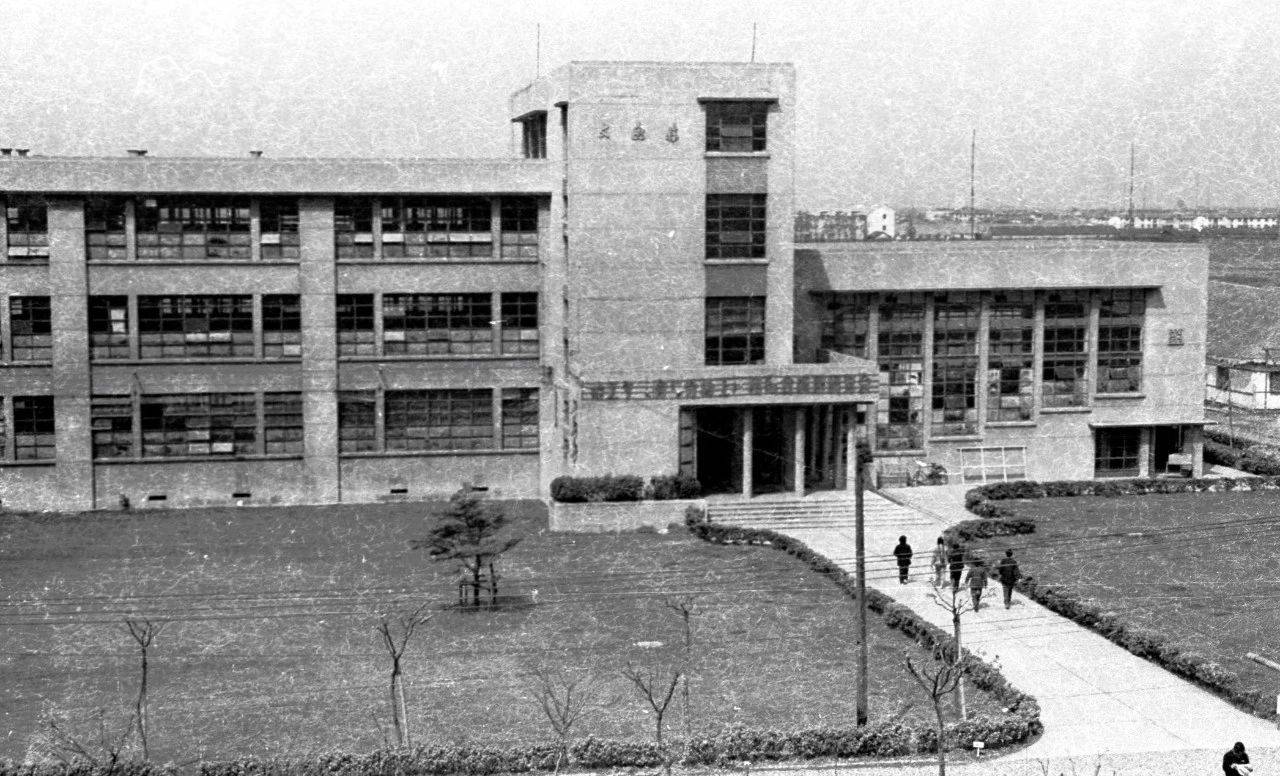
Shanghai is one of the most prominent Chinese cities showcasing a significant contrast between its architectural and political culture, making it a counterpoint to the narrative promoted by the Chinese Communist Party regarding Chinese victimization and Western crimes. This city, regarded as a global hub for finance and business, reflects a rich and complex history that transcends official narratives.
In Shanghai, multiple layers of culture and history manifest, where Western architecture blends with traditional Chinese styles. This diversity complicates the Chinese Communist Party's attempts to use the city as a symbol of victimhood, as it illustrates China's successes and challenges in confronting Western powers.
Event Details
Shanghai is an exemplary global city, featuring a variety of architectural landmarks that reflect multiple cultural influences. From modern skyscrapers to historical buildings, the city demonstrates how history can intertwine with the present. However, the Chinese Communist Party faces challenges in utilizing this city as part of its official narrative, as Shanghai presents a different image from the victimhood the Party seeks to portray.
Historically, Shanghai has been a center for international trade since the 19th century, making it a meeting point for diverse cultures. Nevertheless, this rich history is sometimes viewed as a threat to the official narrative that promotes the idea of Chinese victimhood. Thus, Shanghai serves as an example of how the complexity of Chinese identity unfolds in the context of globalization.
Background & Context
The history of Shanghai dates back centuries, where it was considered a starting point for many social and economic changes in China. In the 19th century, the city became an important commercial hub, leading to significant cultural influences from the West. These influences remain evident today, as the city is seen as a symbol of progress and modernity.
In recent years, the Chinese government has sought to enhance the country's image as a global superpower. However, this effort sometimes conflicts with the historical realities represented by Shanghai, creating tension between the official narrative and reality.
Impact & Consequences
The case of Shanghai illustrates how major cities can play a crucial role in shaping national identity. While the Chinese Communist Party aims to promote a victim narrative, cities like Shanghai demonstrate that China is not merely a victim but also an influential power in the world. This tension can affect how the world perceives China and how it interacts with Western powers.
Moreover, this tension between the official narrative and reality can impact tourism and investment in the city. If the government continues to promote a specific image, it may lead to missed economic opportunities that the city could provide.
Regional Significance
Shanghai exemplifies how globalization affects national identity, a topic of interest to many Arab countries. Amid economic and political changes, Arab nations can benefit from studying Shanghai's experience in balancing national identity with openness to the world.
Additionally, economic relations between China and Arab countries are increasing, making it essential to understand these dynamics. Arab nations can leverage Chinese experiences in areas such as trade and investment while preserving their cultural identity.
In conclusion, Shanghai is a city that reflects the challenges and opportunities facing China in a changing world. While the Chinese Communist Party seeks to promote a specific narrative, the city reveals that reality is more complex, opening the door for discussions about national identity in the age of globalization.