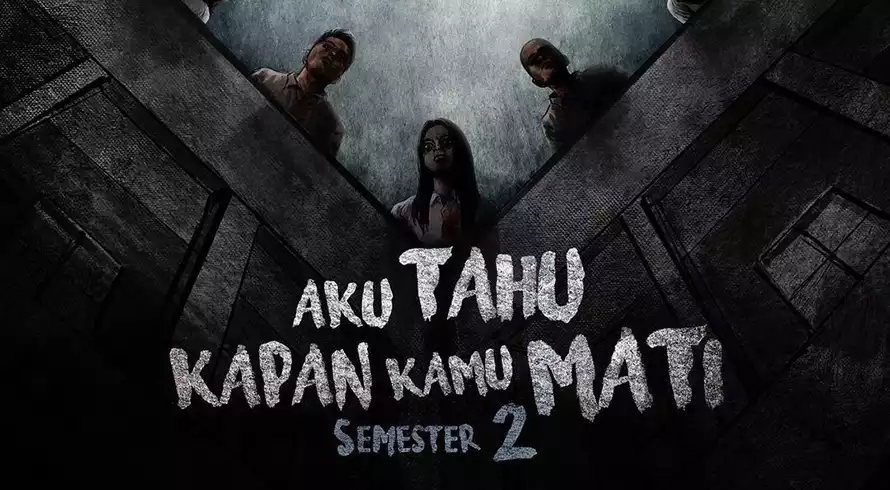
The producer of 'Aku Harus Mati', Ewit Ramadan, revealed in Semarang that the film is not limited to being a horror work but seeks to deliver a social message that reflects the challenges faced by contemporary society. The film, directed by Histo Sabutra, narrates the story of a woman named Mala, who suffers from debt and social pressure due to a consumer lifestyle that seeks social recognition.
The plot revolves around Mala (played by actress Hana Saraswati), who finds herself trapped in debt as a result of her lavish lifestyle, which demands acknowledgment from others. The film highlights the social pressures faced by youth in the digital age, where many strive to project an image of an ideal life on social media.
Event Details
The film was shot in Yogyakarta over a span of 18 days, focusing on delivering horror scenes that rely on jumpscares, which are designed to create sudden shocks for the audience. The film aims to provide a unique horror experience while addressing the social issues faced by Indonesian society.
Ewit Ramadan pointed out that the film reflects a reality experienced by many, where individuals face social pressures that lead them to make irrational decisions, such as borrowing from quick loan services, which can have dire consequences. "We want to send a message to the audience that they should be cautious and not let their desire to appear good in front of others lead them to make wrong decisions," he stated.
Background & Context
The film industry in Indonesia is considered a growing sector, having witnessed an increase in the number of films addressing contemporary social issues in recent years. 'Aku Harus Mati' reflects this trend, as it seeks to blend horror elements with powerful social messages. The film also illustrates the impact of social media on individual behaviors and how it can lead to psychological and social pressures.
The popularity of horror films in Indonesia is rising, especially among the youth, making it an ideal platform for conveying social messages. The film demonstrates how cinema can be an effective tool for raising awareness about social issues by presenting stories that resonate with people's realities.
Impact & Consequences
The success of 'Aku Harus Mati' could enhance awareness of the social issues faced by youth in Indonesia and may encourage other filmmakers to tackle similar themes. It could also contribute to opening discussions about how social media affects individuals' lives and how it can lead to unhealthy behaviors.
Moreover, the film can be seen as an example of how art can be used as a means to express social issues, potentially inspiring more creators to explore social themes in their works. Delivering social messages through horror films can have a significant impact on the audience, as it captures attention and sparks discussions.
Regional Significance
Arab communities also share many of the social issues addressed in 'Aku Harus Mati', such as social pressures and debt. These issues can be a common topic among youth in the Arab world, making the film highly relevant to them. The film's success may inspire Arab filmmakers to explore similar issues in their works, fostering dialogue about the challenges faced by youth in the modern era.
In conclusion, 'Aku Harus Mati' demonstrates how cinema can be an effective platform for conveying social messages and reflects the challenges faced by contemporary society. By integrating horror elements with real social issues, the film opens new horizons for the film industry in Indonesia and beyond.