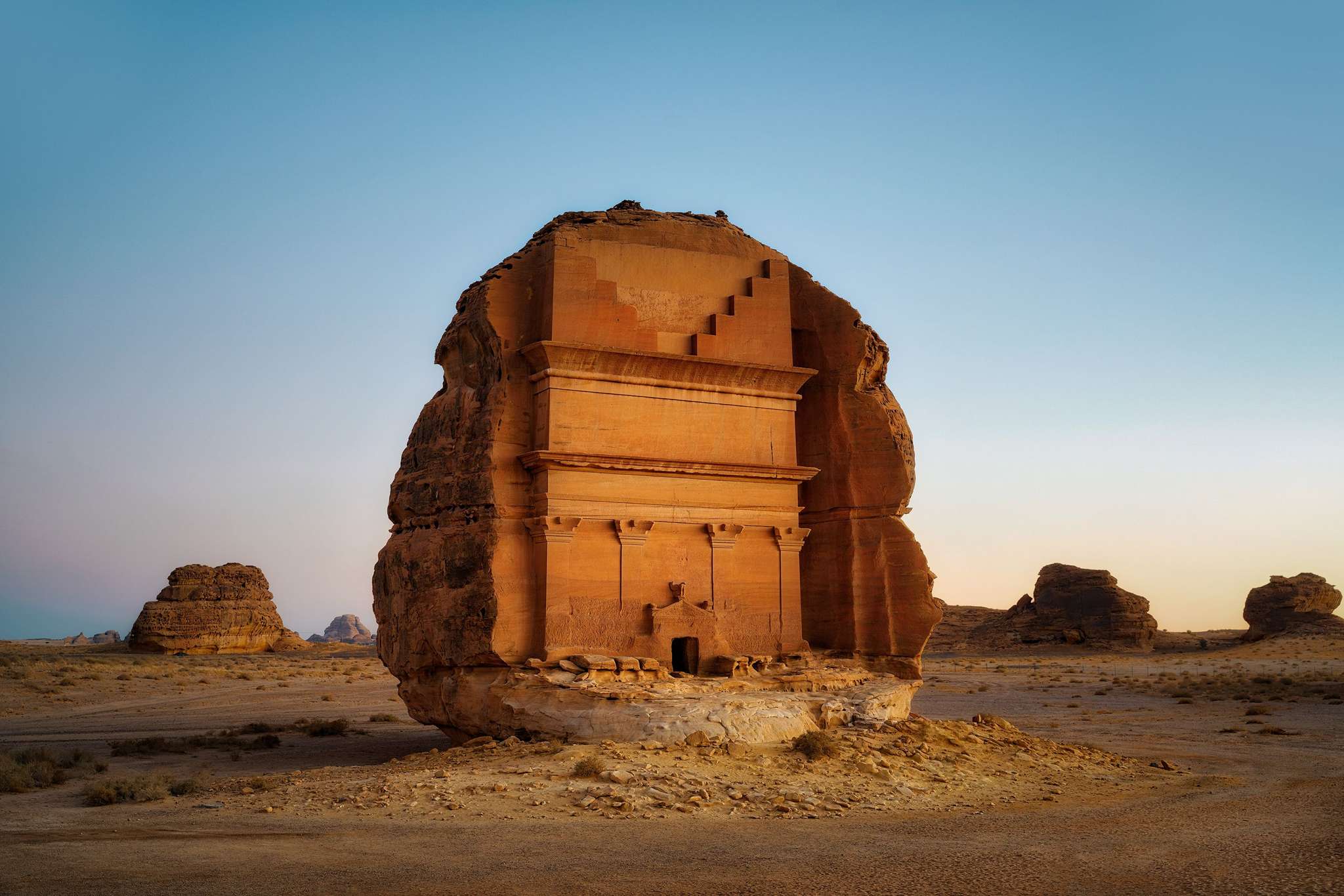
The carved rocks at the Al-Hijr archaeological site in Al-Ula are among the most significant cultural landmarks in Saudi Arabia, reflecting a rich history and ancient civilization. These rocks, dating back to the Nabatean civilization, hold stories about the lives of ancient peoples.
The carved rocks are distinguished by their intricate details and unique artistic forms, making them a favored destination for researchers and tourists alike. These landmarks are located in the Al-Ula region, which is considered one of the most important archaeological sites in the world and has been listed as a UNESCO World Heritage site.
Details of the Site
The carved rocks at the Al-Hijr site feature a variety of inscriptions and writings dating back to the 1st century BC, where they were used as tombs and residences. Studies indicate that these inscriptions carry valuable information about the daily life, religions, and social practices of the Nabateans.
These rocks are spread over a vast area and are characterized by their unique architectural design that reflects the skill of ancient sculptors. The region also contains several other landmarks, such as ancient palaces and temples, which add to its historical significance.
Background & Context
The Nabatean civilization was established in the 4th century BC and was considered one of the most important civilizations in the Arabian Peninsula. This civilization was famous for its thriving trade, as it was a meeting point for trade routes between the East and West. This trade contributed to the flourishing of Nabatean culture and the development of its arts.
Today, Al-Ula is an important cultural and tourist center, as the Saudi government seeks to develop the area and promote cultural tourism through various projects, such as the Al-Ula Development Project, which aims to preserve cultural heritage and enhance the tourist experience.
Impact & Consequences
The carved rocks at the Al-Hijr site are a symbol of Saudi cultural identity, highlighting the country's rich history and diverse civilizations. The increasing interest in these landmarks is expected to contribute to the enhancement of cultural tourism, benefiting the local economy.
Moreover, these landmarks serve as a source of scientific research, attracting scholars and researchers from around the world to study ancient history and understand the development of civilizations in the region.
Regional Significance
Al-Ula is considered one of the most important tourist destinations in the Arab world, showcasing the rich cultural heritage of the region. The global interest in the Al-Hijr site enhances Saudi Arabia's status as a cultural tourist destination, contributing to mutual understanding between different cultures.
This interest also enhances opportunities for cultural cooperation among Arab countries, where experiences and knowledge about preserving and promoting cultural heritage can be exchanged.
In conclusion, the carved rocks at the Al-Hijr archaeological site in Al-Ula stand as a testament to the greatness of the Nabatean civilization and express the importance of preserving cultural heritage as part of national identity.