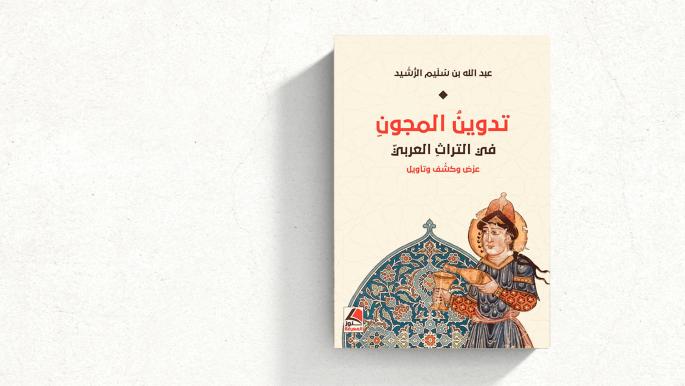
Saudi researcher Abdullah bin Saleem Al-Rasheed reveals in his new book the phenomenon of licentiousness, illustrating how this phenomenon reflects the interplay between language and power. The book discusses the transformation of licentiousness from the margins to blog texts, highlighting the satire of the marginalized against collective norms.
The phenomenon of licentiousness is considered part of popular culture that reflects the social and political challenges individuals face in society. Through the analysis of blogged texts, Al-Rasheed seeks to understand how language can serve as both a tool of power and a means of resistance simultaneously.
Event Details
The book reviews a collection of texts that express licentiousness, explaining how the marginalized have used these texts to convey their opinions and feelings. It also sheds light on how this phenomenon has influenced public culture and how it has become part of social dialogue.
In this context, licentiousness is seen as a means of expressing rejection and rebellion against traditional social norms. By using unconventional language, individuals can convey their messages in ways that transcend the imposed boundaries.
Background & Context
Historically, licentiousness has been linked to popular cultures in various societies, where individuals used it to express their feelings towards authority and society. In the Arab world, this phenomenon has undergone significant transformations, especially with the advent of the internet and social media.
Individuals can now publish their ideas and opinions more quickly and widely, contributing to the strengthening of licentiousness as a means of self-expression. This phenomenon also reflects the social and political changes that the region has witnessed in recent years.
Impact & Consequences
Al-Rasheed's study emphasizes the importance of licentiousness as a cultural phenomenon that reflects social and political tensions. By analyzing the texts, one can understand how communities interact with contemporary issues and how language can be a tool for change.
The findings show that licentiousness is not merely a negative phenomenon; it can also be a tool for expressing identity and protest. Additionally, it contributes to shaping social awareness and enhances individuals' ability to confront the challenges they face.
Regional Significance
The phenomenon of licentiousness is part of the broader discussion about freedom of expression in the Arab world. In light of political and social challenges, it becomes essential to understand how language can be a tool for change.
This phenomenon contributes to enhancing dialogue about social and political issues, opening the door for more discussions about freedom of expression and individual rights. It also reflects the cultural changes that Arab societies are experiencing in the modern era.
In conclusion, Abdullah bin Saleem Al-Rasheed's book offers a new perspective on understanding licentiousness as a cultural phenomenon that reflects the interplay between language and power. By tracing the transformation of licentiousness from the margins to blog texts, the book contributes to enhancing the discussion about freedom of expression and the role of language in shaping cultural identity.