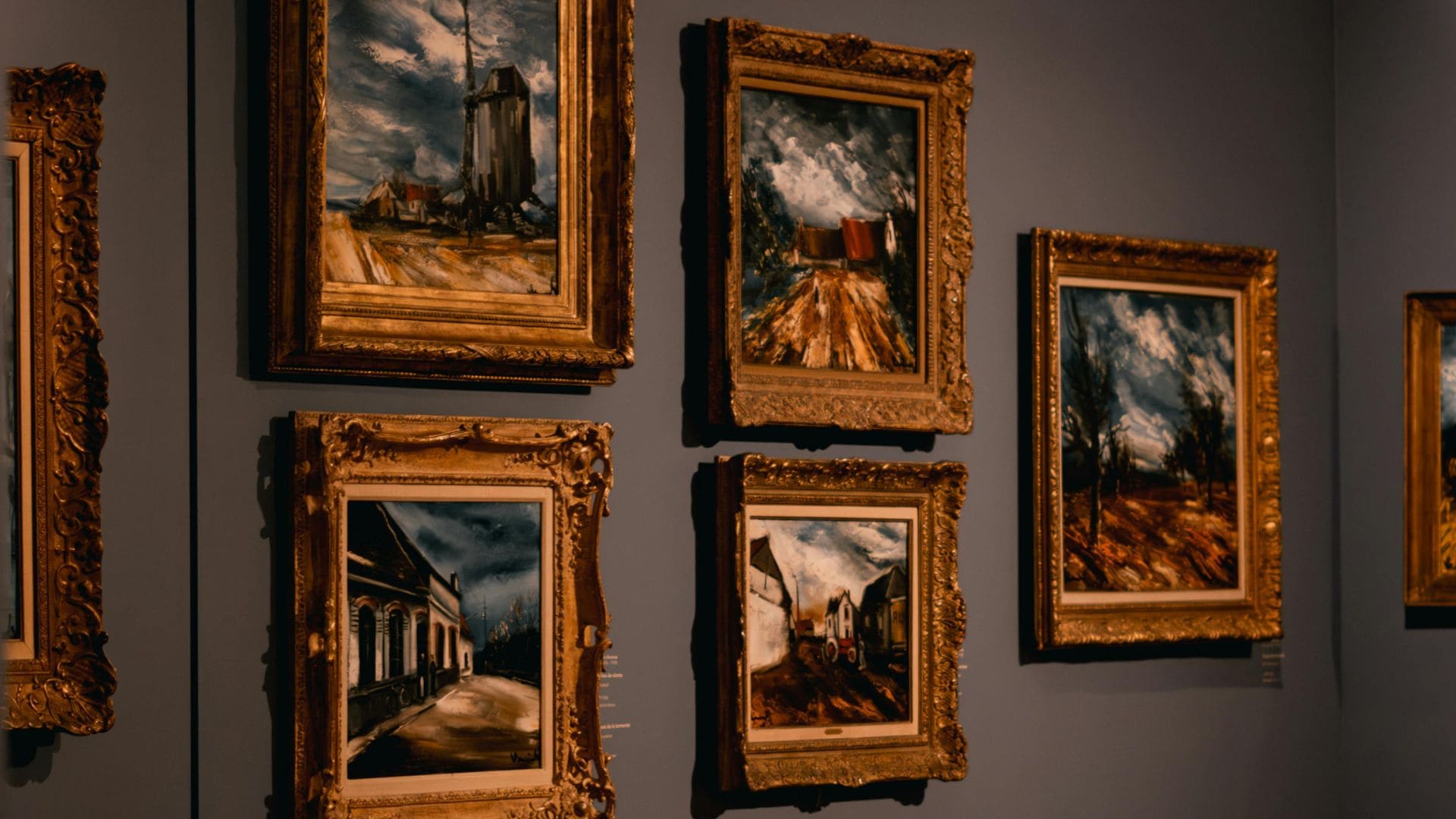
The number of wealthy Arabs seeking to acquire art is increasing, reflecting a growing interest in art in the region. However, this trend raises questions about the true motivations behind these acquisitions, as some focus on display value rather than genuine artistic worth.
The art trade in the Arab world is a complex phenomenon, with the wealthy contributing to the art scene through their investments. Yet, some purchase artworks not out of appreciation for art, but as a means of flaunting or showcasing social status. This can negatively impact the quality of the art scene and diminish the value of genuine artworks.
Event Details
Reports indicate that many art exhibitions in Arab countries have witnessed significant attendance from the wealthy, who wish to acquire rare art pieces. These exhibitions have become platforms for showcasing artworks, but they have also turned into arenas for competition among the affluent. At times, astronomical prices are paid for works that may not reflect true artistic value, sparking debate about the concept of art and its worth.
This trend is evident in several Arab countries, with cities like Dubai and Doha emerging as centers for contemporary art. Nonetheless, the question remains whether this trend will enhance artistic culture or keep it confined to mere display.
Context and Background
Historically, the arts in the Arab world have reflected rich cultures and deep traditions. With the emergence of new wealth in the region, the art trade has taken a new direction. This shift coincides with an increased interest in contemporary art, as many Arab artists seek to express social and political issues through their works.
However, with this interest, artists face significant challenges related to funding and support. Sometimes, the artworks acquired by the wealthy are far removed from the issues that artists aim to express, leading to a gap between artists and their audience.
Consequences and Impact
This phenomenon can have multiple effects on the art scene. On one hand, the money spent on artworks may provide support for artists and art projects. On the other hand, it may lead to the marginalization of works that do not align with market standards or lack display value.
This trend could contribute to creating an unhealthy art environment, where the focus on profit and display becomes more important than true artistic value. Consequently, artists who seek to express genuine social issues may be adversely affected.
Impact on the Arab Region
The art trade in the Arab world represents a significant opportunity to enhance culture and the arts. However, it must be approached with caution. It is important to encourage the wealthy to appreciate art from a deeper perspective, beyond mere display.
If this money is directed towards supporting artists and art projects that reflect social and cultural issues, it could lead to a genuine artistic renaissance in the region. There must be a balance between acquisition and investment in the arts and maintaining true artistic values.
In conclusion, the question remains open on how to channel this growing interest in art towards enhancing culture and the arts in the Arab world, rather than turning it into a mere means of display.