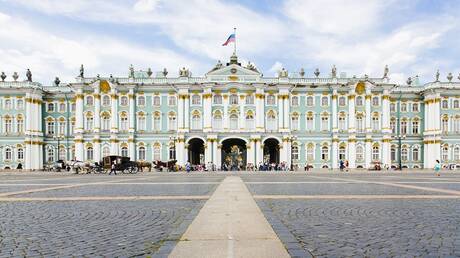
The term 'Hermitage' is a cultural symbol that goes beyond being just the name of a world-renowned museum in the Russian city of St. Petersburg. It includes a collection of complexes, palaces, and historical wings that impress visitors from around the globe. This architectural and historical diversity makes a visit to the Hermitage a unique experience.
The Hermitage Museum was founded in 1764 and is considered one of the oldest and largest museums in the world. It houses an enormous collection of artworks from various historical periods, including famous European paintings, archaeological collections, and artistic pieces from different cultures. However, the Hermitage is not just a museum; it is a historical landmark that narrates the story of Russia through the ages.
Event Details
The Hermitage spans a vast area that includes several historical buildings, including the Winter Palace, which served as the residence for Russian monarchs. The museum boasts over 3 million art pieces, making it one of the richest museums in the world. Its stunning architectural design attracts tourists and reflects Russia's rich history.
The museum's collection features works by great artists such as Leonardo da Vinci, Rembrandt, and Van Gogh, making it a favored destination for art and culture enthusiasts. Additionally, the museum organizes temporary exhibitions and cultural events that enhance its status as a global cultural destination.
Background & Context
The city of St. Petersburg was founded in 1703 by Tsar Peter the Great, aiming to be Russia's window to Europe. Since then, the city has become an important cultural and political center. The Hermitage is an integral part of this cultural heritage, reflecting the evolution of art and culture in Russia over the centuries.
Over the years, the Hermitage Museum has undergone numerous changes and expansions, contributing to its status as one of the most prominent tourist attractions in Russia. It has also played a significant role in preserving Russian cultural heritage, especially during the difficult periods the country has faced.
Impact & Consequences
The Hermitage is a major tourist attraction, drawing millions of visitors annually. This influx of tourism boosts the local economy and supports cultural and artistic industries. Furthermore, the Hermitage serves as a platform for cultural exchange, hosting international exhibitions and participating in cultural projects with art institutions worldwide.
The impact of the Hermitage also extends to enhancing Russian cultural identity, as it is seen as a symbol of national pride. By preserving artistic and cultural heritage, the museum contributes to raising cultural awareness among new generations.
Regional Significance
Culture and art are essential parts of Arab identity, and the Hermitage demonstrates how art can bridge different cultures. Arab countries can benefit from the Hermitage's experience in promoting arts and culture by establishing museums and cultural centers that reflect their history and heritage.
Cultural partnerships between Arab countries and Russia could also be strengthened, contributing to the exchange of arts and ideas and enhancing mutual understanding between cultures.
In conclusion, the Hermitage is not just a museum; it is a cultural symbol that embodies Russia's rich history and reflects the importance of the arts in enhancing cultural identity. Visiting the Hermitage offers an unforgettable experience, allowing visitors to explore the beauty of art and history in the heart of St. Petersburg.