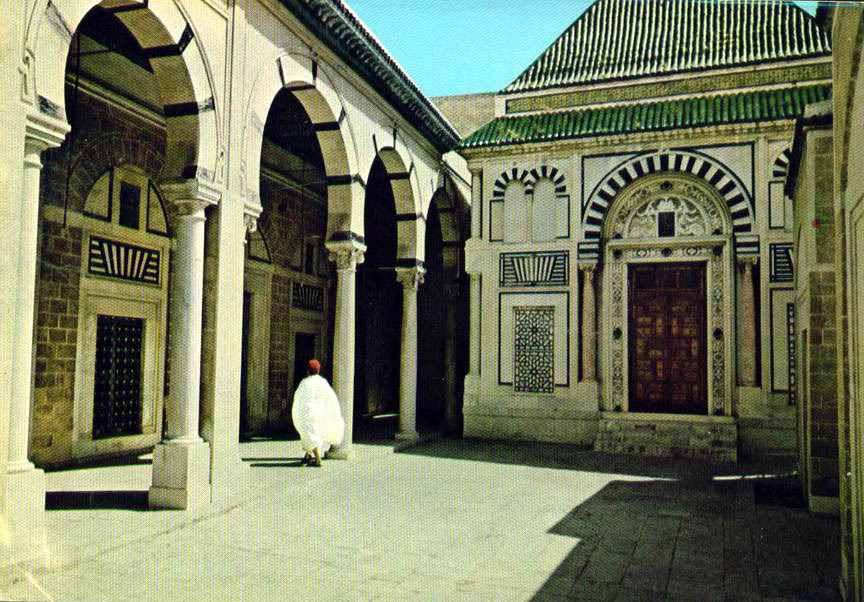
Hamouda Pasha Mosque stands tall in the heart of the ancient city of Tunis, where narrow alleys intertwine with a history that spans centuries. This religious landmark is considered a symbol of Islamic civilization, narrating a rich story of heritage and culture. The mosque is distinguished by its unique architectural design, which combines simplicity and beauty, making it a focal point for visitors and tourists.
Surrounding the mosque are ancient markets bustling with life, where the scents of incense and amber rise from artisan shops. This unique atmosphere adds a special character to the place, reflecting the spirit of a city that lives at the heart of history. The mosque serves as a place of worship and contemplation, attracting worshippers of all ages.
Details of the Landmark
Hamouda Pasha Mosque was established in the seventeenth century and is one of the most prominent religious landmarks in Tunisia. The mosque is named after Hamouda Pasha, who was one of the rulers of Tunisia during that period. It features a tall minaret and a beautiful dome, making it a reference point in the city’s skyline.
The mosque contains numerous architectural decorations that reflect Islamic arts, including plaster carvings and ornate arches. It also houses a small library with a collection of books and manuscripts dedicated to Islamic sciences.
Background & Context
Tunisia is considered an important cultural center in the Arab world, with a history that dates back to ancient times. The country has witnessed many civilizations, from the Phoenicians and Romans to the Islamic conquest. Hamouda Pasha Mosque is part of this rich heritage, showcasing the influence of Islamic civilization on architecture and the arts.
The history of the mosque also reflects the political and social transformations that Tunisia has undergone. The country has experienced periods of stability and prosperity, as well as times of turmoil and conflict. Nevertheless, the mosque has remained steadfast as a symbol of civilization and history.
Impact & Consequences
Hamouda Pasha Mosque represents a meeting point for different cultures, attracting visitors from all over the world. This landmark contributes to enhancing cultural tourism in Tunisia, thereby boosting the local economy. The mosque is also a place for social interaction, where people from various backgrounds gather to practice their religious rituals.
The increasing number of visitors to the mosque highlights the importance of preserving cultural and religious heritage. The mosque is a living example of how to maintain cultural identity in a changing world.
Regional Significance
Hamouda Pasha Mosque is part of the Arab and Islamic identity, reflecting the challenges faced by Arab communities in preserving their heritage. This landmark symbolizes hope and renewal, demonstrating how culture and religion can bring people together.
The mosque also emphasizes the importance of cultural tourism in fostering mutual understanding among peoples. Visiting historical landmarks like Hamouda Pasha Mosque is a step towards enhancing cultural dialogue between Arab countries and the world.
In conclusion, Hamouda Pasha Mosque is a historical and religious landmark that embodies Islamic civilization in Tunisia. This landmark remains a testament to a rich history and is considered a symbol of cultural and religious communication in the region.